


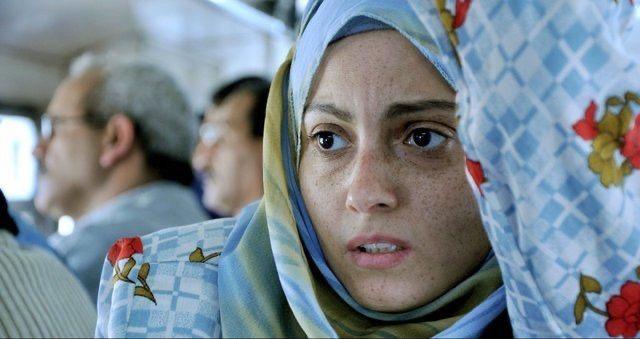
How can a woman live her daily life without worrying about the potential dangers of the journey ahead? For many women in Egypt and other Arab societies, contemplating their route to university, work, or even to meet friends involves more than just logistics. It's about choosing paths that minimize the risks of harassment or violence. Public transport is not merely a means to an end; every journey is fraught with potential danger, turning routine commutes into calculated decisions.
Each time news emerges about harassment, the same victim-blaming rhetoric surfaces: "She must not have dressed modestly." This narrative wrongly suggests that a woman's attire grants or justifies unwanted advances, ignoring the autonomy and respect every individual deserves. Clothes are a personal choice, while respect for others transcends appearances and demands ethical obligation.
Attire is Not the Issue
Women in Egypt recount numerous encounters with both verbal and physical harassment across various settings—buses, subways, crowded streets, and even at social gatherings. These should be ordinary spaces, yet they become areas of heightened awareness and constant vigilance. Harassment spans beyond attire, affecting even children and women dressed conservatively. It's a mindset problem where women's presence is wrongly viewed as an open invitation, reflecting deeper societal issues rather than mere provocations.
A Journey Begins Before the Transport
For many women, travel thoughts begin well before boarding any transport. Decisions revolve around safe departure times, choice of route, and strategies to ensure personal safety like sitting in specific spots or informing others of their journey. This vigilance reflects adapting to societal dangers rather than personal desires, highlighting a unending need for self-protection over casual living.
Women contemplating even simple daily errands must prioritize safety over destination, raising crucial questions: Why must women avoid risks instead of society preventing them? Advice often centers around prohibition and avoidance, yet rarely calls for accountability and deterrence for perpetrators.
Transport Harassment: Anxiety in Supposed Safe Spaces
Public transport is a significant stress point, as crowded spaces can hide predators and enable harassment. Women report being groped or facing indecent exposure in close quarters, yet often grapple with uncertainty on responding or confronting the aggressor amidst a culture that might not always support the victim.
Silence becomes a forced option due to fear of repercussions or disbelief, with many victims carrying unspoken traumas, isolated in their silent burden.
Taxis: Not Always a Safe Haven
The safety issue doesn't end with public transport; taxis, meant to be secure alternatives, present their challenges. Incidents of verbal and physical harassment by drivers plague this option too, exacerbated for foreign women unfamiliar with local laws or language, leaving them particularly vulnerable.
What some dismiss as a 'misdemeanor' or inappropriate jest is often a clear assault on personal safety, threatening a person's basic right to secure passage.
The Horror of Group Harassment
Mass harassment compounds the difficulty, trapping victims in alarming situations like a recent case in Basra, where a young woman was swarmed during public festivities. In such cases, societal blaming often shifts unwarrantedly onto the victims, with questions challenging their presence rather than the aggressor's actions.
Reframing accountability away from those victimized to those who commit these acts is crucial. Asking the right questions and educating against such aggressions form steps towards creating safer public domains.
When Streets Become Shared Spaces
Women don't ask for special treatment, only the basic right to safety as they navigate streets, public transport, or any public space. Instituting profound societal change centers not on modifying women's behavior, but in reforming perceptions that unfairly dictate such behavioral changes.
The streets belong equally to all citizens, and ensuring security shouldn't be conditional on conforming to outdated societal expectations. The notion that women's public presence must adapt to dangers must be overturned.
Ultimately, when will women be able to move freely without fear of harassment?