


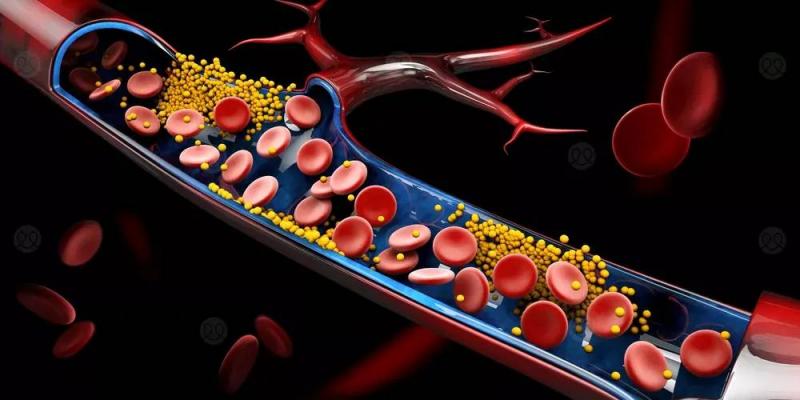
High cholesterol is often termed the 'silent killer' because its symptoms are not obvious in most cases. Many individuals discover they have high cholesterol by chance during routine health checks, while fat accumulates in their arteries undetected for years.
Over time, untreated high cholesterol can narrow the arteries, reducing blood flow to the heart, brain, and limbs. This increases the risk of heart attacks, strokes, and peripheral artery disease.
Does High Cholesterol Cause Symptoms?
In most cases, high cholesterol doesn’t cause direct symptoms. Instead, signs appear when fatty deposits build up in arteries and impact blood delivery to various body organs.
The symptoms often result from complications due to artery blockage rather than high cholesterol itself. Hence, doctors recommend regular blood fat tests, especially for those with risk factors like obesity, diabetes, hypertension, or a family history of heart disease.
Signs Indicating High Cholesterol and Its Complications
Chest Pain
Chest pain is common when coronary arteries feeding the heart muscle narrow. Pain typically arises during physical exertion or stress and eases with rest. It may feel like pressure or heaviness in the center of the chest, known as angina, requiring prompt medical evaluation.
Shortness of Breath
When blood flow to the heart decreases due to blocked arteries, the heart may struggle to pump efficiently, leading to shortness of breath even during simple activities. If shortness of breath accompanies chest pain, heavy sweating, or nausea, seek urgent medical care.
Leg Pain While Walking
Fat accumulation in leg arteries can cause peripheral artery disease, marked by cramping or pain in leg muscles while walking, which subsides with rest. Patients may also experience cold feet, skin color changes, or slow-healing sores, indicating a need for medical review.
Numbness and Tingling in Limbs
Poor blood flow can lead to numbness or tingling in hands or feet, sometimes accompanied by an enduring cold sensation or reduced limb sensitivity.
Although these symptoms can stem from diabetes or nerve issues, their presence alongside heart risk factors merits thorough examination.
High Blood Pressure
Elevated cholesterol doesn't directly heighten blood pressure but can narrow arteries, requiring the heart to exert more force to circulate blood. The coexistence of high blood pressure and cholesterol significantly raises cardiovascular disease risks.
Dizziness and Headache
Some people may experience dizziness or headaches when brain arteries narrow severely; however, these aren't exclusive to high cholesterol. Professional assessment is crucial to determine the exact cause.
Rare Skin Signs
In some cases, particularly with hereditary high cholesterol, skin signs can aid early detection.
Xanthomas
Xanthomas are small, yellow fat deposits under the skin, often around the eyes, over joints, or on tendons. This may indicate a severe lipid disorder, warranting comprehensive cholesterol evaluation.
When Are Symptoms Dangerous?
Do not ignore these sudden symptoms:
-Severe chest pain.
-Acute shortness of breath.
-Sudden speech loss.
-Weakness or paralysis on one side of the body.
-Loss of consciousness.
-Severe leg pain with cold extremity.
These signs might point to a heart attack, stroke, or severe arterial blockage, necessitating immediate emergency care.
Who Is at Risk for High Cholesterol?
Risk increases with these factors:
-Overweight.
-Obesity.
-Inactivity.
-Smoking.
-Diabetes.
-High blood pressure.
-High intake of saturated fats.
-Family history of heart disease.
-Aging.
Moreover, some may inherit high cholesterol despite a healthy lifestyle.

How Is High Cholesterol Diagnosed?
Diagnosis relies not on symptoms but on a blood test measuring:
-Total cholesterol.
-Low-density lipoprotein (LDL).
-High-density lipoprotein (HDL).
-Triglycerides.
Regular testing is recommended from age 20 or based on a doctor’s advice if extra risk factors exist.
How to Prevent High Cholesterol?
Prevention is key to avoiding complications and involves:
-Eating vegetables, fruits, and whole grains.
-Reducing saturated and trans fats.
-Exercising at least 150 minutes weekly.
-Maintaining a healthy weight.
-Quitting smoking.
-Managing blood pressure and diabetes.
-Adhering to prescribed medications if needed.
Additionally, routine medical follow-ups can detect cholesterol spikes before complications arise.
Can High Cholesterol Be Treated?
Yes, treatment depends on elevation level and patient risk. Lifestyle adjustments may suffice in mild cases, while moderate or severe cases might require medications like statins to lower bad cholesterol and protect the heart. Never stop or alter treatment without consulting a doctor, even if test results improve.
In conclusion, although high cholesterol may not manifest symptoms early, neglecting regular exams allows the condition to progress silently, causing severe complications such as angina, heart attacks, and strokes.
Thus, embracing a healthy lifestyle, regular lipid testing, and following medical guidance are the best preventive measures. Early detection of high cholesterol greatly enhances control and minimizes cardiovascular risks.
See also:
Symptoms That May Reveal Fatty Liver