


Anemia is one of the most prevalent health issues worldwide, occurring when the number of red blood cells or the amount of hemoglobin decreases. Hemoglobin is the protein responsible for transporting oxygen to the body's organs. Consequently, tissues receive less oxygen, leading to a variety of symptoms that vary in severity based on the type and degree of anemia.
While iron deficiency is the most common cause of anemia, it can also result from a deficiency in vitamin B12 or folic acid, chronic diseases, or blood loss. Recognizing symptoms early aids in correct diagnosis and starting appropriate treatment before complications arise.
What is Anemia?
Anemia is a condition in which the blood's ability to carry oxygen to body tissues is reduced, impacting various organs, especially the brain, heart, and muscles. This causes fatigue and exhaustion even with minor exertion.
Common and General Symptoms of Anemia
Symptoms often develop gradually and may start as mild but intensify over time.

Persistent Fatigue and Tiredness
Chronic fatigue is a prevalent sign of anemia, with individuals feeling low energy and tiredness even after sleep or rest.
Pale Skin
The skin may lose its natural color and appear pale, also noticeable in the inner eyelids, gums, and nails due to reduced hemoglobin levels.
Shortness of Breath
Individuals may experience difficulty breathing during activities like walking or climbing stairs as the body tries to compensate for oxygen deficiency.
Dizziness and Lightheadedness
Some people experience lightheadedness or loss of balance, particularly when standing up quickly, due to reduced oxygen to the brain.
Cardiovascular Symptoms of Anemia
With decreased oxygen levels, the heart works harder to meet the body's needs, causing additional symptoms.
Heart Palpitations
Rapid or irregular heartbeats, especially during exertion, may be noticeable.
Cold Hands and Feet
Poor blood flow to extremities leads to cold hands and feet even in moderate temperatures.
Chest Pain
Severe anemia may cause chest pain or pressure due to reduced oxygen supply to the heart muscle, requiring prompt medical evaluation.
Effects of Anemia on Skin, Hair, and Nails
Some external signs are more pronounced with iron deficiency anemia.
Fragile and Spoon-shaped Nails
Nails may become weak and brittle, taking on a spoon-like shape, a known sign of chronic iron deficiency.
Hair Loss
Iron deficiency can weaken hair follicles, leading to increased hair loss and loss of shine and vitality.
Cracked Mouth Corners
Painful cracks may appear at the corners of the mouth, possibly accompanied by chapped or inflamed lips.
Inflamed Tongue
The tongue may become smooth, shiny, or swollen, with pain or burning during eating.
Neurological and Cognitive Symptoms of Anemia
Lack of oxygen affects brain function, causing various neurological and cognitive symptoms.
Frequent Headaches
Reduced oxygen to the brain may cause persistent or recurrent headaches.
Poor Concentration and Memory
Many individuals report difficulty concentrating, forgetfulness, or mental fog.
Pica
Pica is a distinct sign of iron deficiency where individuals crave non-food substances like ice, clay, or dirt.
Causes of Anemia
Numerous factors can lead to anemia, including:
- Iron deficiency.
- Vitamin B12 deficiency.
- Folic acid deficiency.
- Chronic bleeding, such as heavy menstrual bleeding or gastrointestinal bleeding.
- Chronic diseases.
- Bone marrow disorders.
- Some genetic conditions like thalassemia and sickle cell anemia.
Who is at Risk?
The likelihood of developing anemia increases for:
- Women in reproductive years.
- Pregnant women.
- Children and teenagers.
- Older adults.
- Vegetarians lacking adequate nutrients.
- Individuals with gastrointestinal diseases or malabsorption issues.

How is Anemia Diagnosed?
Diagnosis relies on medical history and physical examination, alongside various tests, including a complete blood count (CBC), ferritin level test for iron stores, iron level measurement, vitamin B12 test, and folic acid test, with additional assessments based on the underlying cause.
How Can Anemia Be Treated?
Treatment depends on the primary cause and may include:
- Taking iron supplements for confirmed deficiency.
- Treating vitamin B12 or folic acid deficiency.
- Improving diet.
- Addressing any bleeding causes.
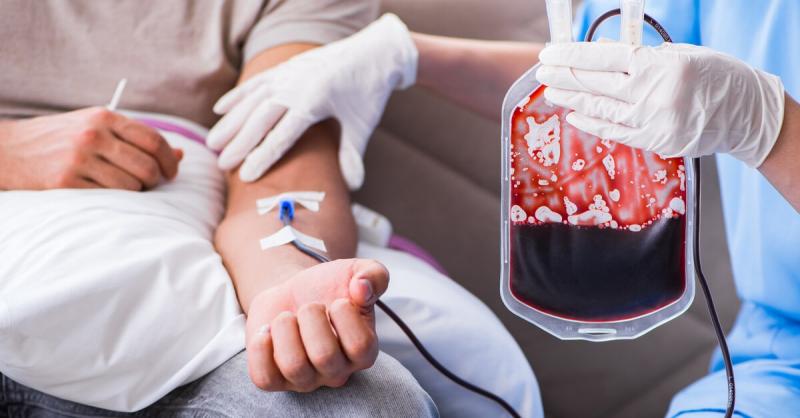
- Blood transfusions in severe cases as per medical assessment.
Best Foods to Prevent Anemia
A balanced diet reduces anemia risk, with key foods including beef liver, lean red meat, chicken, fish, lentils, beans, spinach, legumes, eggs, iron-fortified cereals, and fruits like oranges and guavas to enhance iron absorption due to vitamin C content.
When to Consult a Doctor?
It's advisable to consult a doctor if persistent fatigue lacks a clear cause, or if severe pallor, shortness of breath, heart palpitations, or recurrent dizziness occur. A complete blood count (CBC) and ferritin (iron stores) test can identify the anemia cause and guide treatment.
In conclusion, anemia is common but treatable and preventable when detected early. Paying attention to symptoms like fatigue, pale skin, shortness of breath, and rapid heartbeat aids in timely diagnosis.
Following a diet rich in iron and essential vitamins, alongside prescribed treatments, helps restore energy and maintain body health.
See Also
Does Vitamin Deficiency Cause Dark Circles?