



Many people associate healthy eating with choosing beneficial foods and reducing sugar, fats, and processed foods. However, eating timings are another crucial aspect worth considering.
The way meals are distributed throughout the day can affect feelings of hunger, fullness, and energy levels. Meal timing is also linked to the body's circadian rhythm.
No specific time fits all individuals for breakfast, lunch, or dinner, as personal needs vary according to age, lifestyle, sleep schedules, work, physical activity, and health status.
Nevertheless, following a set of general principles can help organize meals and avoid dietary habits that may negatively impact sleep or lead to overeating.
What Are the Best Healthy Eating Times During the Day?
It's recommended to distribute meals evenly during waking hours and avoid long periods without food if it leads to extreme hunger and overeating later.
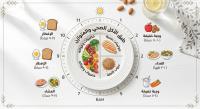
An approximate daily schedule could be as follows:

Breakfast: Shortly After Waking
Breakfast can be consumed during the early hours of the day. It is not mandatory to eat immediately upon waking if one doesn’t feel hungry.
Breakfast should ideally include a mix of protein, fiber, healthy fats, and suitable carbohydrates like eggs or yogurt with oatmeal and fruits or whole grain bread with a protein source.
The primary goal is to have a balanced meal providing energy and satiety rather than relying solely on sugary foods.
Snack: As Needed
Not everyone requires a snack between main meals, but it can be beneficial if there's a long gap or if the person feels hungry.
Suitable options include fruits, yogurt, or a small handful of unsalted nuts, considering total daily intake.
Lunch: Midday
Lunch is one of the main meals, ideally taken in the middle of the waking period rather than very late.
The meal can consist of a protein source like chicken, fish, or legumes, alongside vegetables and a suitable whole grain or starch source.
Eating slowly and paying attention to satiety signals helps avoid consuming more than the body needs.
Afternoon Snack: If Needed
Some individuals may need a snack between lunch and dinner, especially if dinner is relatively late.
Choosing a small snack with protein or fiber, like fruits with nuts or yogurt, is preferable over sweets or high-sugar foods.
Dinner: Several Hours Before Sleep
It's better not to make dinner a very large meal close to bedtime.
Having dinner earlier in the evening can be more suitable for people, particularly those who suffer from acid reflux after lying down.
A balanced, moderate-sized meal is preferable over consuming a large amount of food to compensate for missing earlier in the day.
Is Eating Every Three Hours Necessary?
The idea of eating every three hours is widespread, but there is no one-size-fits-all rule.
The suitable number of meals depends on personal needs, lifestyle, and feelings of hunger and fullness. Some might get by with three main meals, while others prefer adding one or two snacks.
What's important is keeping meals balanced and avoiding eating more than what the body needs.
Is Late Night Eating Harmful?
Eating in the evening does not necessarily mean it's harmful, but very large late meals may not be suitable for some.
Eating close to bedtime might increase symptoms of reflux and heartburn, especially after heavy meals.
Staying up late can also lead to increased cravings for snacks and sweets, boosting calorie intake for the day.
It's better to organize meals with an adequate interval between dinner and sleep.
How Do Meal Timings Relate to Weight?
Body weight is not solely determined by meal timing but primarily by the total energy intake versus what is expended, along with diet quality, physical activity, and other factors.
However, consistent meal timing can help control hunger and prevent nighttime binge-eating for some.
Large and frequent late meals can lead to exceeding daily energy needs, especially when choosing foods high in sugars and fats.

Is Breakfast Necessary for Weight Loss?
Not necessarily. No universal rule states that breakfast alone promotes weight loss.
Some prefer having breakfast in the morning, while others may not feel hungry until a few hours after waking. The key is choosing a balanced dietary pattern that is sustainable and meets body needs.
Skipping breakfast should not lead to extreme hunger later, resulting in overeating.
The Best Time to Drink Water with Meals
Water can be consumed before, during, or after meals without a general need to avoid it while eating.
Adequate fluid intake throughout the day helps maintain hydration, with needs varying by weather, physical activity, and health status.
Water, as a primary fluid source, is preferred over sugary drinks.
How to Organize Eating Times Healthily?
Maintain Regular Meal Times
Try to have main meals at consistent times from one day to the next, fitting with your sleep and work schedule.
Don't Wait for Extreme Hunger
Delaying meals until extreme hunger may lead to fast eating or larger portions than needed.
Avoid Eating in Front of Screens
Eating while watching TV or using a phone can distract from the amount of food and fullness signals.
Make Dinner Moderate
If you sleep early, avoid having a heavy dinner right before sleep.
Pay Attention to Meal Sizes
Even healthy foods can add excess calories if eaten in large amounts, so portion size is a crucial part of dietary management.
Choose Diverse Foods
Time organization is not enough, meals should include diverse sources of vegetables, fruits, proteins, whole grains, and healthy fats.
Do Eating Times Vary by Lifestyle?
Yes — those who work during the day may follow different schedules than those working at night. Needs can also vary among athletes or individuals with specific physical activities.
No schedule should be rigid for everyone. The best approach is to build a meal schedule fitting your waking, sleeping, and daily activities, while maintaining regularity.
Best Time to Eat Before Bed?
If eating in the evening is necessary, avoid large meals directly before bed.
Leaving ample time between the meal and sleep can reduce fullness and help those with reflux symptoms at night.
If hunger strikes before bedtime, a small, moderate snack could be consumed instead of a large amount.
See Also:
Does Lack of Sleep Cause Weight Gain?
Best Healthy Snacks Between Meals
Why Do I Feel Dizzy When I Stand Up Suddenly?