


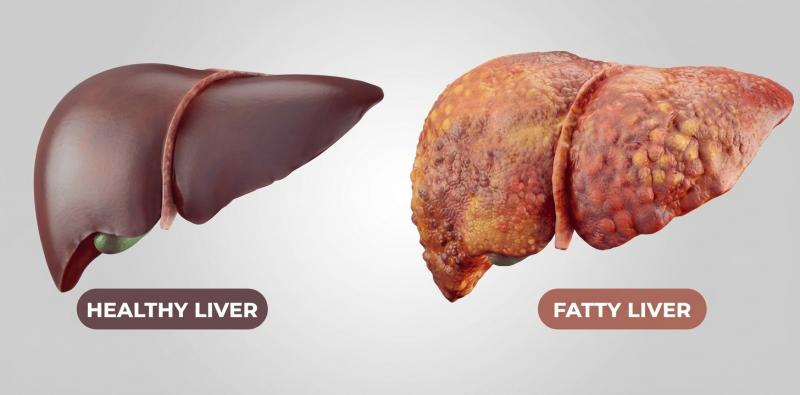
Fatty liver disease is an important health topic. This condition, affecting the liver, often progresses silently in its early stages without obvious signs. It occurs due to the accumulation of fat within liver cells and can be linked to obesity, insulin resistance, type 2 diabetes, or lipid disorders.
While many affected individuals may not notice symptoms initially, progression can lead to liver inflammation and fibrosis if not diagnosed and treated early. Recognizing potential signs allows for timely intervention to reduce complication risks.
What is Fatty Liver?
Fatty liver is a condition where fat accumulates inside liver cells at levels higher than normal. It may be linked to metabolic disorders or other factors. In many cases, it can be managed by lifestyle improvements, especially if detected early.
Initial Symptoms of Fatty Liver
In the early stages, symptoms may be mild or unclear, but some individuals may notice the following signs.

Pain or heaviness in the upper right abdomen
The affected person may feel a mild pain or pressure sensation under the right rib cage, which is where the liver is located.
Persistent fatigue
General fatigue is one of the most common symptoms and may occur without significant physical exertion.
Feeling full after eating
Some individuals may experience bloating or rapid fullness even after eating small amounts of food.
Symptoms Indicating the Progression to Steatohepatitis
As fat accumulation progresses to liver inflammation, more noticeable symptoms may start to appear.
Loss of appetite
The patient may notice a reduced appetite, sometimes accompanied by unexplained weight loss.
Nausea
The affected person can experience frequent nausea or the urge to vomit, particularly with ongoing inflammation.
Difficulty concentrating
Difficulty focusing or mental confusion may appear, often linked to impaired liver function.
Dark patches on the skin
Dark, velvety patches of skin may appear, especially around the neck or underarms. These are often associated with insulin resistance, a risk factor for fatty liver.
Advanced Symptoms of Fatty Liver
If left untreated, the disease may lead to liver fibrosis or cirrhosis, presenting more severe symptoms.
Jaundice
A yellowing of the skin and whites of the eyes occurs due to the liver's reduced ability to eliminate bilirubin.
Ascites
Fluid may accumulate within the abdomen, leading to noticeable swelling and increased waistline.
Leg and foot swelling
Weakened liver function can cause fluid retention in the lower extremities.
Skin itching
The patient may suffer from severe, persistent itching due to certain substances building up in the body as liver efficiency decreases.
Easy bruising
The afflicted person may notice bruising or bleeding easily due to impaired production of blood clotting factors.
Who is More Susceptible to Fatty Liver Disease?
The likelihood of developing the condition increases among the following groups:
- Individuals with obesity, especially abdominal fat.
- Type 2 diabetes patients.
- Individuals with insulin resistance.
- Those with high cholesterol.
- People with high triglycerides.
- Individuals with low physical activity.
- Those following a diet high in sugars and saturated fats.
How is Fatty Liver Diagnosed?
Doctors use a variety of tools to diagnose the condition, including:
- Clinical examination.
- Liver function tests.
- Ultrasound (sonography).
- Specialized imaging to assess liver fat or fibrosis if needed.
- Blood tests to evaluate accompanying factors.
Can Fatty Liver be Treated?
There is no specific medication for most cases of fatty liver associated with metabolic disorders. Instead, lifestyle modification is the primary treatment, involving:
- Gradual weight loss.
- Regular physical activity.
- Reducing sugars and sweetened drinks.
- Increasing vegetables, fruits, and whole grains.
- Choosing healthy fats like olive oil and nuts in moderation.
- Managing blood sugar, cholesterol, and blood pressure levels.
When Should You See a Doctor?
Consult a doctor if fatigue or upper right abdominal pain persists, or if yellowing of the skin and eyes, abdominal swelling, leg swelling, or unexplained weight loss occurs, as early diagnosis helps prevent progression to fibrosis.
How to Prevent Fatty Liver?
The risk of developing fatty liver can be reduced by adopting a healthy lifestyle, which includes:
- Maintaining a healthy weight.
- Exercising most days of the week.
- Eating a balanced diet low in saturated fats and sugars.
- Avoiding smoking.
- Conducting regular screenings for high-risk individuals.
Ultimately, fatty liver is a manageable condition if detected early. Although symptoms may initially be absent, recognizing early signs and committing to a healthy lifestyle can protect the liver and prevent the disease from progressing to serious complications like fibrosis or cirrhosis.
See Also
What Causes Vitamin D Deficiency Despite Sun Exposure?