


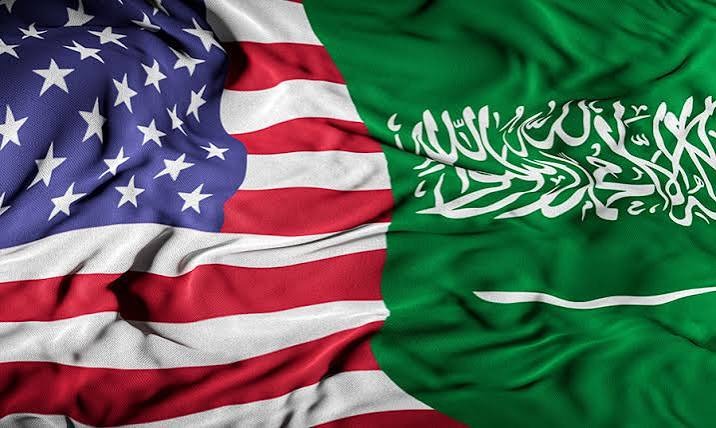
Saudi Arabia is advancing its civil nuclear cooperation with the United States independently of normalizing relations with Israel. Riyadh has made it clear that the establishment of an independent Palestinian state is a crucial condition for any future normalization, presenting increasing political and strategic challenges for Tel Aviv.
According to an article by retired Israeli General Yisrael Ziv published in the 'Maariv' newspaper, U.S. President Donald Trump referred the Saudi civilian nuclear cooperation agreement to Congress this week, emphasizing that its implementation is contingent on normalization between Saudi Arabia and Israel.
However, Saudi Arabia's position is clear: normalization will not occur without the establishment of a Palestinian state based on the 1967 borders, with East Jerusalem as its capital.
Riyadh Separates Nuclear Matters from Normalization
Ziv believes that Saudi Arabia views its nuclear program as part of its direct partnership with Washington and sees no justification for linking it to Israel. Saudi stances indicate that normalization is not on the table under Benjamin Netanyahu's current government, preferring to wait to see the composition of the next Israeli government.
The Israeli writer suggests that this stance showcases Saudi Arabia's ability to resist political pressure and notes that the condition linking the nuclear agreement to normalization was not, according to him, part of the original agreement but was added later following Israeli objections.
Ziv interprets Saudi Arabia's readiness to publicly reject this condition as reflecting a different Saudi reading of the regional power dynamics, especially amid U.S. engagement with the Iranian issue and its regional implications.
War Strengthens Saudi Position
The writer concludes that the war has not led Saudi Arabia to soften its stance on the Palestinian issue but has, according to him, resulted in tougher conditions. Whereas Riyadh previously hinted at a political horizon or path toward establishing a Palestinian state, today it demands this goal be achieved under a clear and comprehensive settlement.
Ziv argues that this shift represents increasing political pressure on Netanyahu's government and might bolster the Palestinian Authority's position, rendering it an indirect political gain for Hamas.
He notes that one of the goals of the October 7 attack was, among other things, to disrupt the normalization path between Saudi Arabia and Israel, claiming this goal was achieved after years of conflict.
Nuclear Agreement Raises Israeli Concerns
One of the main Israeli concerns, according to the article, is that the nuclear agreement is now before the U.S. Congress and is expected to take effect 90 days after Congress convenes unless the House and Senate act to prevent it.
Ziv warns that the agreement does not prohibit uranium enrichment or nuclear waste processing, unlike the 'Gold Standard' that the UAE committed to in its nuclear agreement with the United States in 2009.
Therefore, the writer argues that Israel might face a highly complicated equation: an advanced Saudi nuclear program with open enrichment possibilities, without achieving the normalization Israel sought and lacking an effective leverage to compel Riyadh to change its stance.
From Field Gains to Strategic Challenges
Ziv believes these developments are a direct result of the last three years' course, arguing that Israeli military gains have not translated into parallel strategic advantages.
He indicates increasing political isolation for Israel and a reduced ability to influence regional positions, alongside continuous challenges posed by Hamas and Hezbollah, and a firmer Arab position on the Palestinian issue.
The writer concludes that the core issue is not solely about Saudi Arabia but about Israeli policy itself, stating that Riyadh has sent a clear message: continuing war without a political horizon will have increasing costs for Israel.
According to this interpretation, Saudi Arabia no longer ties its strategic interests to awaiting Israeli approval but is moving towards solidifying its partnership with Washington, while placing the Palestinian issue central in any potential normalization path, possibly prompting Tel Aviv to reassess its political and strategic calculations.