


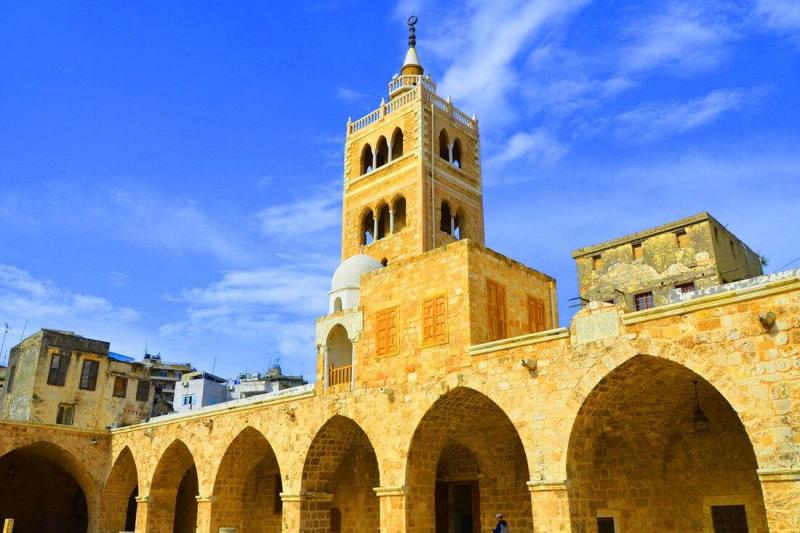
Tripoli, a prominent city in Lebanon, beautifully blends ancient history with vibrant public life and coastal nature. It is the second-largest city in Lebanon and the capital of the north. Tripoli stands out with its rich architectural heritage left by successive civilizations, particularly Mamluk and Ottoman architecture. The city is also known for its old markets, inns, mosques, and historic baths. According to the Tripoli Municipality, the city is situated on the northern coast of the Mediterranean Sea, about 80 kilometers from Beirut.
Tourism in Tripoli is not limited to historical sites. Visitors can enjoy a tour of the old city, explore the bustling markets and traditional crafts, and then head to the port area to relish the maritime ambiance and seafood. The Palm Islands Nature Reserve is a notable destination for nature, bird, and marine life enthusiasts, featuring historical sites from ancient periods.
Major Historical Landmarks in Tripoli
Citadel of Tripoli: A Historical Marvel
The Citadel of Tripoli, also known as the Citadel of Saint Gilles, is one of the city's most famous historical landmarks. Perched on a high hill, it offers a wide view of Tripoli and its surroundings. The citadel is notable for its military features and medieval history, making it a must-visit for those interested in Tripoli's past and panoramic city views.
Visitors can enjoy both historical tourism and photography, especially when ascending to the higher areas within the citadel to observe the old city quarters.
Grand Mansouri Mosque
The Grand Mansouri Mosque is one of Tripoli's most important historical mosques and a prime example of Mamluk architecture in the city. Situated within the old city, the mosque's architectural details reflect Tripoli's significance during the Mamluk era. Visitors can easily move between the mosque, nearby markets, inns, and historical sites while touring the old city, offering a glimpse into the religious and architectural heritage that sets Tripoli apart from other Lebanese cities.
Tripoli's Old Markets
A trip to Tripoli wouldn't be complete without wandering through the old markets, which are an essential part of the city's identity. These markets are characterized by winding alleys, traditional shops, and handicrafts, offering a range of products such as perfumes, soaps, textiles, copper, and gold items.
The old markets continue to play an economic and cultural role in the city, with efforts to develop and preserve their traditional character. Recent projects aim to improve infrastructure and stimulate economic activity while maintaining the historical essence of the markets.
Khan al-Saboun and the Soap-making Experience
Khan al-Saboun is a place that reflects Tripoli's ties to traditional crafts and local industries. Visitors can learn about traditional soap-making methods and explore products made from natural ingredients, as well as perfumes and items linked to the city's local heritage.
The experience at the khan differs from traditional historical site visits, allowing visitors to discover a craft that has maintained its presence in Tripoli's markets over time.
Historical Baths and Inns
Tripoli's old city is characterized by numerous inns, baths, and heritage buildings, making strolling through it akin to a journey through the city's history. This area displays distinctive architectural details, from stone entrances and arches to interior courtyards and covered markets. Visitors can spend several hours exploring these landmarks on foot, ideal for fans of history, photography, and ancient architecture.
The Port of Tripoli
After touring the old city, head to the port to enjoy Tripoli's seaside ambiance. The port area is known for its coastal atmosphere, fishing boats, and seafood restaurants, providing a perfect spot for a leisurely stroll and relaxation.
The port area links daily maritime life with the city's historical heritage, making it a suitable stop on any tourist itinerary in Tripoli.
The Palm Islands Nature Reserve
The Palm Islands Nature Reserve is a standout natural destination off the coast of Tripoli. The reserve comprises several islands, chiefly Palm, Sanani, and Ramkin Islands, known for their environmental significance and diverse species of birds and marine life.
The Lebanese Ministry of Environment highlights historical sites in the reserve, such as the remnants of a Crusader church and an ancient well on Palm Island, as well as a lighthouse and historical structures on Ramkin Island. The islands are vital for bird-watching and marine life observation, with nesting sites for marine turtles and access to the islands via a 35-minute boat ride from the port.
Tripoli for Lebanese Cuisine Lovers
A culinary experience is a vital part of visiting Tripoli, known for its Lebanese dishes, oriental sweets, and popular dishes. Visitors can enjoy dishes like kibbeh, grills, manakish, and Lebanese appetizers, along with traditional Tripolitan sweets famous for their oriental flavors, making a tour through the markets a good opportunity to taste local flavors and buy sweets and edible gifts.
Traditional Crafts in Tripoli
Tripoli is famed for a range of traditional crafts that have remained vital in the markets, including soap-making and artisanal copper and bronze works. According to the Ministry of Environment, Tripoli is renowned for its mosques, baths, markets, and historical sites, alongside olive oil soap, crafts linked to copper and brass, and oriental sweets.
These crafts add a unique aspect to the tourist tour, especially if you're interested in purchasing local products that embody the city's character.
Best Time to Visit Tripoli
Tripoli can be visited year-round, but spring and fall are particularly suitable for outdoor tours and walking in the old city. In summer, the port and marine islands are more appealing to sea lovers, with prior checks on maritime trip conditions to the Palm Islands reserve recommended.
It's best to schedule morning or afternoon hours for tours of markets and historical landmarks, leaving time for the port and meals.
One-Day Tour Plan in Tripoli
If planning a one-day visit to Tripoli, start at the Citadel of Tripoli, then head to the old city to explore the Grand Mansouri Mosque, markets, and inns. Afterward, visit Khan al-Saboun and explore shops and traditional crafts, then take a break for lunch to taste local dishes and desserts. In the afternoon, head to the port to enjoy the seaside atmosphere and seafood, and if time and conditions allow, plan a boat trip to the Palm Islands reserve.
Advice Before Visiting Tripoli
It's best to wear comfortable shoes when visiting the old city, as a significant portion of the tour involves walking through alleys and markets. Also, allocate enough time for the tour and avoid trying to see everything quickly, as the city's value lies in the details of its buildings, markets, and traditional crafts.
If interested in visiting the Palm Islands, confirm beforehand the possibility of the boat trip and weather conditions, as access to the islands is by sea.
Why Tripoli is Worth Visiting
Tripoli offers a diverse tourist experience, allowing visitors to discover a historical citadel, Mamluk mosques, old markets, inns, and traditional baths before moving to the port to enjoy seafood. The Palm Islands add a natural and environmental dimension to the trip, while the markets and traditional crafts offer a glimpse into daily life and the city's local heritage.
Official sources highlight Tripoli's strategic coastal location and its long history linked to trade and the sea, contributing to its current cultural and architectural identity.
Conclusion
Tripoli, Lebanon is a fitting destination for those seeking historical, cultural, and natural tourism all in one trip. From the Citadel of Tripoli and the Grand Mansouri Mosque to the old markets and Khan al-Saboun, the city offers a wide array of landmarks reflecting its venerable history.
The experience wouldn't be complete without visiting the port and tasting local foods and sweets, with the option of adding the Palm Islands reserve to the itinerary for nature and marine trip enthusiasts. Due to this diversity, Tripoli remains one of the most essential Lebanese cities worth discovering in 2026.
See Also