


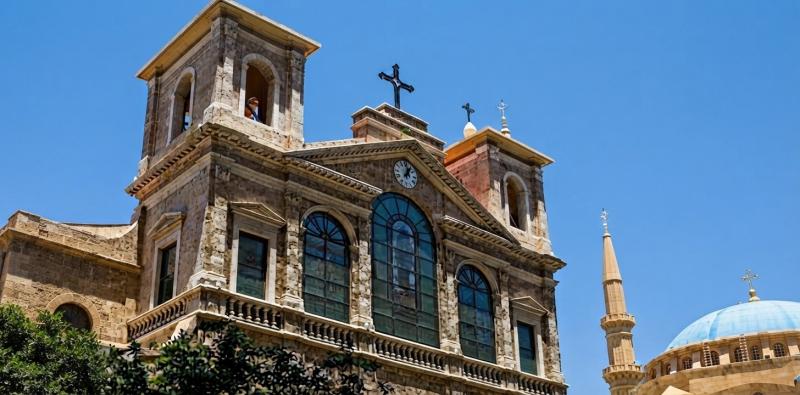
Tourism in Beirut offers one of the most unique experiences in the Middle East. The Lebanese capital combines ancient history, mesmerizing nature, and modern life in one city. Beirut boasts a distinctive blend of historical landmarks, beaches, restaurants, markets, and museums, making it an ideal destination for families, couples, and adventurers alike.
The city's allure isn't limited to its historical sites; it extends to its vibrant cultural scene and its location on the Mediterranean coast. Additionally, Beirut offers a variety of options suitable for different budgets, ensuring it remains a must-visit destination year-round.
Why Visit Beirut?
Beirut stands at the crossroads of several civilizations that have touched Lebanon over millennia, evident in its ancient streets, churches, mosques, and museums. Furthermore, the city boasts easy access to its main attractions. Visitors can move from an archaeological site to the seaside promenade within minutes.
Moreover, Beirut is renowned for its restaurants that serve exquisite traditional Lebanese dishes alongside international cuisines. The high-end cafes and bustling markets add a distinct flavor to any visit.
Top Tourist Attractions in Beirut

1. Pigeon Rocks
Pigeon Rocks is the most iconic natural landmark in the Lebanese capital. It is a popular spot for visitors aiming to capture scenic photos and enjoy sea views. The rocks consist of two massive formations rising from the water, becoming a tourist symbol reflecting the beauty of the Lebanese coast.
Visitors also have the option to rent boats that take them closer to the rocks, offering different angles of this landmark. Sunset is one of the best times to visit, thanks to the enchanting sunlight glistening on the sea.
2. Ain El Mreisseh Corniche
The Ain El Mreisseh Corniche stretches along the Mediterranean Sea and is one of Beirut's liveliest spots. Locals and tourists flock here for walking, jogging, cycling, or simply sitting at sea-facing cafes.
The corniche also offers a close view of Pigeon Rocks. Along the stretch, numerous restaurants and cafes serve Lebanese cuisine and a variety of drinks.
3. Zaitunay Bay
Zaitunay Bay is one of Beirut's newest tourist hotspots featuring a luxurious yacht marina, global restaurants, and upscale cafes in a chic modern atmosphere.
On the flip side, this bay is perfect for evening strolls with city lights reflecting off the water's surface, creating a charming scene. It also hosts numerous marine activities suitable for all ages.
4. National Museum of Beirut
If you are a history enthusiast, the National Museum should be a top priority during your visit to the capital. The museum houses thousands of artifacts documenting Phoenician, Roman, Byzantine, and Islamic civilizations.
Besides its impressive collection, the museum features stone sarcophagi, statues, mosaics, and rare relics that provide insights into Lebanon's history.
5. Sursock Museum
The Sursock Museum is located in a historical mansion from the early 20th century, making it one of Lebanon's premier art museums. The building boasts architectural designs that blend Lebanese and Italian styles while its halls feature works from Lebanese, Arab, and international artists. Moreover, it regularly hosts art and cultural exhibitions, making it a favorite for art lovers.
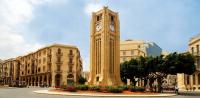
6. Nejmeh Square
Nejmeh Square is the historical heart of downtown Beirut, surrounded by European-style buildings, cafes, and markets. The square is famous for its historic Rolex clock, which stands as one of its landmarks. Visitors can also enjoy exploring the nearby streets filled with various shops and restaurants.
7. Mohammad Al-Amin Mosque
The Mohammad Al-Amin Mosque is among Lebanon's most beautiful mosques, notable for its massive blue domes and towering minarets that have become part of Beirut's architectural tapestry. Beyond its religious significance, the mosque captivates fans of Islamic architecture with its intricate interiors inspired by Ottoman designs.
8. Saint George Maronite Cathedral
Adjacent to the Mohammad Al-Amin Mosque, the Saint George Maronite Cathedral symbolizes Lebanon's religious and cultural coexistence. The cathedral features stunning architectural designs and includes an underground archaeological museum with relics from various historical periods, adding a significant cultural dimension to visiting the site.
Best Time to Visit Beirut
Many travelers prefer visiting Beirut during spring and fall when the weather is mild and ideal for outdoor explorations. Summer draws large crowds due to beaches and festivals, while winter offers a serene atmosphere for those looking to escape the hustle and bustle.
Tips for Enjoying Your Trip
Plan your itinerary featuring key attractions to optimize your time. Comfortable footwear is recommended for exploring the city center and corniche. Don’t miss out on tasting famous Lebanese dishes like tabbouleh, fattoush, kibbeh, and grill dishes—integral to the Beirut experience.
Also, allocate time to visit local markets to buy traditional products and souvenirs showcasing Lebanese heritage.
In conclusion, Beirut remains one of the most diverse and intriguing Arab cities. It combines sea, history, culture, and modern life all at once.
With such a wide variety, Beirut will surely be on every travel bucket list, promising a lively city brimming with charm year after year.
See Also
Richest Arab Celebrities: Who Holds the Biggest Fortune in 2026?
Rue Foch for Tourists: What to See and Where to Go?
Rue Foch by Night: Top Spots and Atmosphere in Central Beirut