


Insulin resistance is a common condition that can develop gradually without obvious symptoms. It occurs when muscle, fat, and liver cells become less responsive to insulin, causing the body to produce more to regulate blood sugar levels. Over time, this can lead to elevated blood sugar and prediabetes. Many people search for insulin resistance symptoms after noticing weight gain, abdominal fat, or skin changes. However, these signs don't necessarily indicate insulin resistance. Evaluations rely on risk factors and medical assessments. Insulin, a hormone aiding glucose use in cells for energy, might see resistance initially compensated by increased pancreatic insulin production. Blood sugar levels may remain normal temporarily, but prolonged issues can raise blood sugar, increasing prediabetes and type 2 diabetes risks.
There are no specific symptoms for diagnosing insulin resistance, but certain signs may prompt further tests. Increased abdominal fat, difficulty losing weight, a larger waist circumference, darkening in skin folds (Acanthosis nigricans), elevated triglycerides, and high blood pressure are noteworthy. Lifestyle improvements, such as regular exercise, a balanced diet, weight management, and avoiding smoking, can enhance insulin sensitivity.
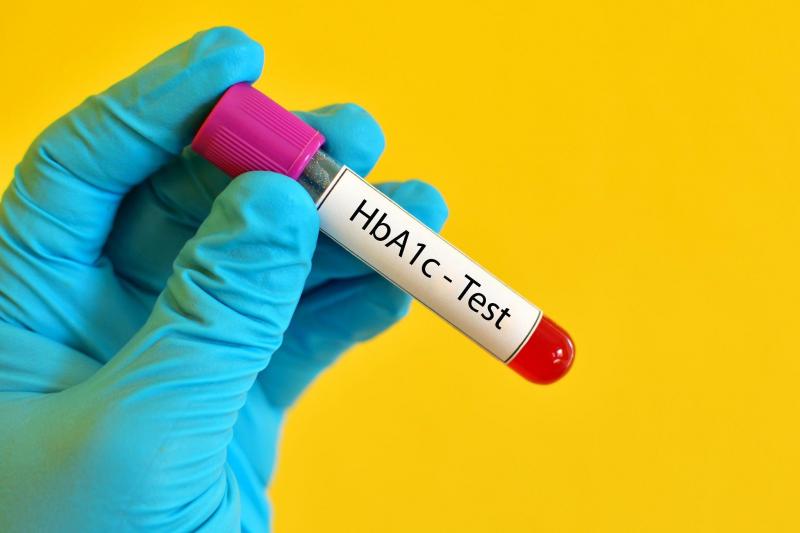
People should consult medical professionals if multiple risk factors or symptoms occur, especially with a family diabetes history or after gestational diabetes. Diagnoses rely on fasting blood sugar, HbA1c, and glucose tolerance tests, not just insulin levels. If untreated, insulin resistance can progress to prediabetes or type 2 diabetes. Recognizing early blood sugar abnormalities allows for lifestyle changes to mitigate risks.
Understanding Insulin Resistance Symptoms and Risks
Share