


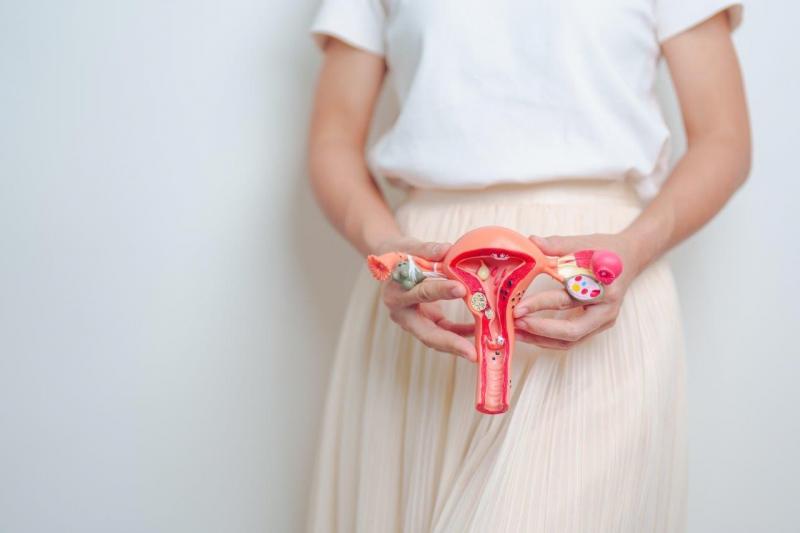
Polycystic Ovary Syndrome (PCOS) is a common hormonal disorder among women, affecting menstrual cycles, ovulation, fertility, skin, hair, and weight. Symptoms vary from woman to woman, with some experiencing more prominent signs while for others, they may be mild or not all present at once.
One symptom alone, such as irregular periods or acne, does not necessarily indicate PCOS as they may result from other causes. Thus, diagnosis relies on a doctor’s evaluation, medical history, examination, and some tests, possibly including ultrasound imaging based on the case.
What is Polycystic Ovary Syndrome?
PCOS is a hormonal disorder influencing ovulation and hormone levels, often associated with elevated androgen levels. Androgens are present in both women and men but at different levels.
Ovulation disorders might lead to irregular or absent menstrual cycles, complicating conception for some women. PCOS is a prevalent cause of fertility issues related to ovulation disruption. However, the presence of multiple follicles or "polycystic ovaries" in an ultrasound alone doesn’t diagnose PCOS, as diagnosis depends on a combination of criteria and exclusion of other causes.
PCOS Symptoms in Women
PCOS symptoms vary in severity and number. Some women might experience certain signs and not others.
Irregular Menstrual Cycles
Irregular menstrual cycles are a hallmark sign of PCOS, presenting as delayed periods, long intervals between cycles, or absence of menstruation, often due to ovulation disorders. Some may have unusually frequent cycles or few periods annually. But cycle irregularity doesn’t automatically imply PCOS, as it can also be caused by pregnancy, weight changes, stress, some contraceptives, thyroid disorders, and more.
Difficulty Getting Pregnant
PCOS can make it harder for some women to conceive due to irregular or absent ovulation. Many may only discover their PCOS diagnosis after facing conception challenges, especially if their menstrual cycle is irregular. Nonetheless, PCOS doesn’t rule out pregnancy; ovulation issues can be treated, enhancing pregnancy chances based on individual situations.
Increased Hair Growth on Face and Body
Elevated androgen levels might cause excessive coarse hair growth in areas like the face, chin, chest, abdomen, or back, a condition known as hirsutism. This can be a sign of androgen elevation in some PCOS-affected women, though not all may experience increased hair.
Acne and Oily Skin
PCOS may be linked to increased sebum production and acne, especially with high androgen levels, affecting the face, chest, or upper back. Acne severity varies between individuals, but it shouldn’t be solely considered as a PCOS indicator since many other causes exist.
Hair Thinning or Loss
Some women with PCOS notice hair thinning or shedding similar to androgen-related hair loss patterns, which might occur alongside increased facial or body hair growth, but symptoms vary across individuals.
Weight Gain or Difficulty Losing Weight
PCOS is linked to weight gain, especially around the abdomen, and some women might struggle to lose weight. Insulin resistance, associated with PCOS in some women, can affect weight, hormones, and ovulation, but PCOS can occur regardless of weight status.
Dark Skin Patches
Women with insulin resistance connected to PCOS might develop dark, thickened patches of skin, especially around the neck, armpits, or other skin folds, known as acanthosis nigricans, indicating insulin resistance but not exclusive to PCOS.
Skin Tags
Small skin tags might appear on areas like the neck or armpits, part of insulin and hormonal disturbances, though not indicative of PCOS alone.
Fatigue and Mood Swings
Some PCOS-affected women face fatigue or psychological issues such as anxiety or depression, but these symptoms aren't exclusive to PCOS and could arise from various physical or psychological ailments.
Is Ovary Pain a PCOS Symptom?
Some women might feel pelvic pain or discomfort, but pelvic pain isn’t among the core symptoms sufficient for a PCOS diagnosis. If experiencing severe or recurrent pain or unusual bleeding, consulting a gynecologist is recommended as other conditions might cause pelvic pain.
Does PCOS Cause Period Delays?
Yes, PCOS might delay or disrupt menstrual cycles due to ovulation irregularities. However, delayed periods have multiple causes, including pregnancy, stress, weight changes, certain contraceptives, thyroid disorders, among others, and should not be solely attributed to PCOS.
How is PCOS Diagnosed?
No single test can confirm PCOS. Diagnosis typically starts with reviewing menstrual cycles, symptoms, and medical history, followed by a physical exam and hormonal or other tests to rule out similar causes. Assessment may include:
- Evaluating cycle and ovulation regularity
- Measuring certain hormones
- Excluding thyroid disorders, etc.
- Assessing androgen elevation signs
- Checking blood sugar and lipid levels as needed
- Ultrasound imaging of ovaries in some cases
Diagnosis per criteria entails having two of three main features after excluding other causes: ovulation or cycle disorder, androgen elevation or signs, or polycystic ovary appearance.
Do All Women with PCOS Have All Symptoms?
No.
A woman might have just irregular cycles, while another may face acne, excess hair, and fertility issues. Symptoms can range from mild to severe, and absence of a symptom doesn’t negate PCOS nor do multiple symptoms confirm it solely.
Does PCOS Prevent Pregnancy?
PCOS doesn’t inherently prevent pregnancy, though ovulation disorders can complicate it for some. Treatment depends on age, symptoms, fertility desires, ovulation disorder cause, and overall health, with available options to regulate ovulation and improve pregnancy prospects under medical supervision.
When to See a Doctor?
Advised to consult a gynecologist or endocrinologist upon symptoms like:
- Repeated cycle irregularity
- Prolonged cycle absence
- Excess facial or body hair
- Persistent or severe acne
- Notable hair loss
- Weight gain or weight loss difficulty with additional symptoms
- Fertility challenges
- Emerging dark or thick skin patches
Seeing a doctor should not be delayed if cycle disturbances or symptoms affect daily life or fertility.
Can PCOS be Treated?
No single treatment fits all as management depends on symptoms and treatment targets, encompassing cycle regulation, acne or excess hair treatment, addressing ovulation and fertility issues, along with metabolic factors like insulin resistance or weight increase if present. Balanced diet, physical activity, and weight management might also aid symptom improvement in those with weight concerns.
Conclusion
PCOS symptoms in women vary from case to case: primary signs include irregular cycles, ovulation disorder, fertility difficulties, excess facial and body hair, acne, oily skin, scalp hair thinning or loss, weight gain, or difficulty losing weight. Signs of insulin resistance like skin darkening and thickening might appear too.
Diagnosis requires more than just symptoms, consulting a doctor is crucial upon persistent cycle irregularities or multiple symptoms, helping in forming a plan for cycle and ovulation regulation, symptom management, and reducing some health risks associated with the syndrome.