


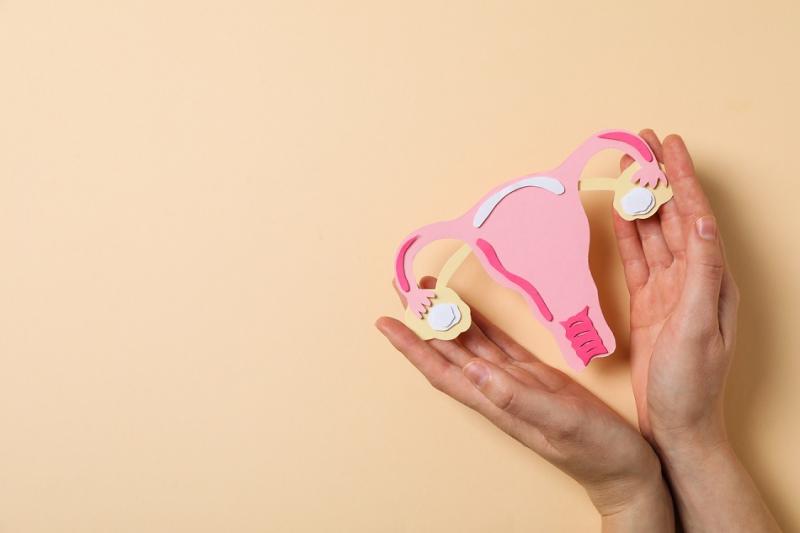
Polycystic Ovary Syndrome (PCOS) is a hormonal and metabolic disorder that can impact menstrual cycles, ovulation, hormone levels, and fertility. It can also manifest through skin, hair, and weight changes.
It is important to distinguish between PCOS and having polycystic ovaries shown in imaging, as the latter does not necessarily indicate the syndrome.
Symptoms and severity vary greatly among women. Some may exhibit several clear signs, while others have limited symptoms.
Common Symptoms of PCOS:

Irregular Menstrual Cycles
One of the prominent symptoms of PCOS is menstrual irregularity, which may manifest as significantly spaced-out cycles or prolonged absences of menstruation.
This is often linked to disrupted ovulation, leading to unpredictable menstrual timing. Women may notice cycles occurring in some months but delayed in others, or intervals becoming longer than usual.
Absence of Menstruation
Some women with PCOS may experience missed periods due to irregular ovulation.
However, absence of menstruation alone is not indicative of PCOS, as it can result from pregnancy, stress, weight changes, thyroid disorders, or other causes, necessitating appropriate evaluation.
Excess Hair Growth
Elevated male hormone levels can cause excess hair growth on areas such as the face, chin, chest, and abdomen, a condition known as hirsutism.
Hirsutism is associated with increased male hormones among some women with PCOS. The extent of excess hair can vary, and it does not necessarily indicate PCOS.

Hair Loss
Some women may experience thinning of scalp hair or hair loss, particularly in patterns linked to elevated male hormone levels.
Not all women with PCOS experience hair loss, and it has other numerous causes, making it unreliable as a sole diagnostic factor.
Acne and Oily Skin
Hormonal changes associated with PCOS can lead to increased skin oiliness and acne development.
Acne may appear on the face or other body areas and could be more persistent than typical adolescent acne.
Weight Gain or Difficulty Losing Weight
Some women with PCOS face weight gain or difficulties losing weight, especially with insulin resistance present in some cases.
However, weight gain is not a prerequisite for PCOS, as the syndrome can also occur in women without weight issues.
Difficulty Conceiving
PCOS can affect the ovulatory process, making conception challenging for some women.
The syndrome does not preclude pregnancy but may make it more difficult due to ovulation disruption. Appropriate treatments can enhance fertility prospects based on the underlying problems and individual health status.
Skin Darkening or Thickening
Some women may develop darker, thicker skin patches, especially around the neck or underarms, a condition known as acanthosis nigricans, possibly linked to insulin resistance, but not exclusive to PCOS.

Fatigue and Mood Swings
Some affected individuals may suffer from fatigue or psychological issues such as anxiety and depression, although these symptoms are not exclusive to PCOS and can have diverse causes.
Does PCOS Cause Pain?
Pain is not a primary symptom for diagnosing PCOS.
If a woman experiences persistent or severe pelvic pain, it is crucial not to assume PCOS as the sole cause, as pelvic pain could result from other health issues requiring medical evaluation.
Is Having Ovarian Cysts a Confirmation of PCOS?
No.
This is a common area of confusion. Merely having numerous follicles or polycystic-appearing ovaries in imaging is insufficient for diagnosing PCOS.
Diagnosis typically relies on meeting two of three main criteria after ruling out other potential causes:
- Ovulatory dysfunction or menstrual irregularity.
- Clinical or biochemical signs of elevated male hormones.
- Polycystic ovaries on imaging.
Therefore, a woman can be diagnosed with PCOS without the polycystic appearance in imaging, as per professional medical evaluation.
How is PCOS Diagnosed?
No single test can confirm PCOS on its own.
Diagnosis involves medical history assessment, symptom evaluation, physical examination, and possible hormonal tests and other exams to exclude similar causes, including assessing insulin resistance and diabetes where applicable.
Ultrasound imaging may be used to examine the ovaries, but polycystic appearance is not always a necessity for diagnosis.
See Also: