


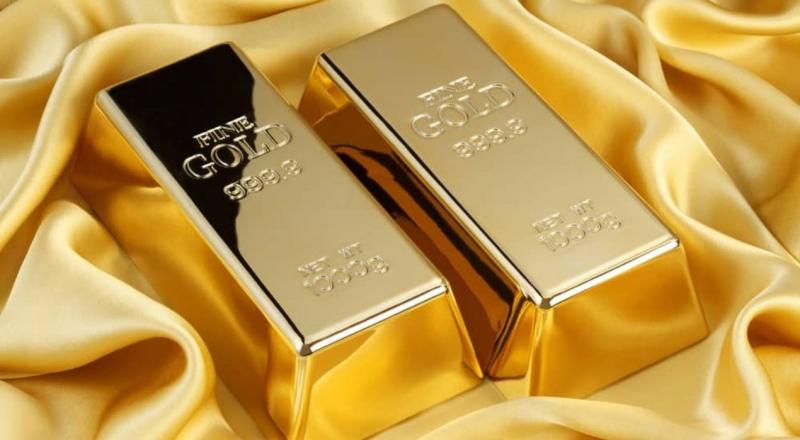
Gold is not just a metal for jewelry; it is also treated as a financial asset, a store of value, and a safe haven during uncertain times. Therefore, its price is influenced by investor expectations regarding the global economy, monetary policy, financial markets, and geopolitical risks. The gold market can fluctuate upwards or downwards even without a significant change in actual jewelry demand, as investment trading and market forecasts play a crucial role in determining its price.
Factors affecting gold do not operate independently. For instance, rising oil prices may increase inflation fears, prompting central banks to maintain high interest rates, which could pressure gold despite heightened geopolitical risks. This effect was particularly evident in gold's movements during 2026.
What Drives Gold Prices Up?
A variety of factors can push gold prices higher, including:
Low Interest Rates
Interest rates significantly impact gold since it doesn't offer regular returns like bonds or deposits. As such, when yields on competing assets rise, the cost of holding gold becomes less attractive. When central banks lower interest rates or anticipate reductions, gold becomes more appealing compared to interest-linked assets. In August 2026, gold rose due to declining expectations for US interest rate hikes and a weakened dollar, boosting demand for the precious metal.
Weak US Dollar
Since gold is globally priced in US dollars, there is a significant relationship between dollar value and gold price. A weaker dollar makes gold less expensive for investors using other currencies, potentially driving up demand and prices. Conversely, a stronger dollar could make gold costlier for international buyers, potentially reducing its price. This link was illustrated in gold's 2026 movements, benefiting from dollar declines at various times.
Increased Geopolitical Risks
Gold typically becomes more attractive as political, military, and economic risks rise. During wars, heightened tensions between countries, or growing concerns about global stability, some investors turn to gold as a traditional safe haven. In February 2026, gold prices climbed with escalating geopolitical worries tied to US-Iran tensions and trade tariff threats, increasing demand for safe assets.
Central Bank Purchases
Central banks also influence the gold market, particularly when they increase their gold reserves. Recent data indicates continued central bank gold purchases in 2026, totaling 243.7 tons in the first quarter, up from the same period in 2025. Continuous reserve increases can provide long-term support for gold demand.
Rising Investment Demand
Gold can rise when investors increase their buying of bullion and gold coins or invest in gold-related financial instruments. This demand typically grows with increased fears over stocks, currencies, or the global economy. Inflows into gold-linked investment funds can influence its price movements, as growing investment demand boosts the need for gold in markets.
Higher Inflation Rates
Historically, gold is viewed as a hedge against the decreasing purchasing power of currencies. When inflation rates rise or fears of persistent inflation increase, some investors may turn to gold to preserve the value of their assets. However, the inflation-gold relationship isn't always straightforward; if high inflation leads to expectations of increased interest rates, gold prices could face pressure despite rising inflation.
Factors Leading to Gold Price Declines
Just as factors can drive gold upward, some can cause it to fall:
High Interest Rates
When interest rates rise, bonds, deposits, and other yield-generating assets become more attractive compared to non-yielding gold. Therefore, higher interest rate expectations can decrease gold demand. In September 2026, gold fell after strong US job market data boosted interest rate hike expectations, with bond yields rising, putting pressure on gold.
High Bond Yields
Monetary policy doesn’t only affect the interest rate itself; government bond yields play a crucial role. Rising bond yields increase the opportunity cost of holding gold, leading investors to prefer yield-generating assets over non-income-producing gold. Higher US Treasury bond yields were among the factors pressuring gold during parts of 2026.
Strong Dollar
A strong dollar can pressure gold prices since, being dollar-priced, higher US currency values make gold more expensive for holders of other currencies, possibly decreasing global demand. Investors closely monitor the dollar's movement to forecast gold's direction.
Declining Global Risks
When geopolitical concerns subside and optimism about the global economy rises, safe-haven demand for gold may decrease, with investors shifting to stocks and higher-risk assets for greater returns. Hence, a drop in gold doesn’t necessarily mean a decrease in its value, but rather an adjustment in investor preferences.
Reduced Jewelry Demand
Jewelry demand represents a significant portion of the global gold market. When prices reach high levels, consumer interest in purchasing jewelry may decline, especially in major markets like China and India. Data from the first quarter of 2026 indicates a 25% drop in global jewelry demand, with reductions in both China and India during the same period.
Does Inflation Always Boost Gold Prices?
Not necessarily.
Gold is often seen as an inflation hedge, but its price impact depends on central bank actions and market reactions. When inflation rises and interest rates remain low, gold may benefit from increased worries about declining purchasing power. Conversely, if high inflation spawns expectations for significant rate hikes, resulting in rising bond yields and a stronger dollar, gold may face pressure.
How Do US Interest Rates Relate to Gold?
US monetary policy plays a pivotal role in determining gold's direction, as the dollar and US financial markets significantly impact global markets. When markets expect lower US rates, the dollar and bond yields may fall, creating a supportive environment for gold. Conversely, anticipated rate hikes typically have the opposite effect: rising yields and increased dollar demand can pressure gold.
The gold markets regularly monitor US inflation, jobs, wages data, and Federal Reserve official statements.
What Is the Relationship Between Oil and Gold Prices?
The relationship between oil and gold isn't fixed or direct. Rising oil prices can support gold if they heighten inflation fear or geopolitical tensions. However, oil price increases could also prompt expectations for prolonged high-interest rates, which might pressure gold. Therefore, gold and oil can move differently under certain conditions, such as in 2026 when oil shocks increased rate hike forecasts.
Do Political Crises Raise Gold Prices?
Political and military crises often lead to increased gold demand, but the extent depends on the crisis's nature, duration, and economic implications. More significant economic uncertainty boosts the importance of safe-haven assets. However, prolonged crises could yield varied effects if markets foresee higher inflation and interest rates due to rising energy costs. Therefore, not all political crises automatically lead to higher gold prices.
Why Might Gold Rise Despite Higher Interest Rates?
Though it seems contradictory, it is possible. Gold is affected not just by current interest rates but also by investor forecasts regarding future rates, the dollar, inflation, and global risks. Increased demand stemming from geopolitical risks or central bank purchases might counteract the negative effects of rising rates. It’s best to view factors collectively rather than follow a one-rule approach like 'higher rates mean lower gold prices.'
Does Rising Gold Mean It's Time to Buy?
Not necessarily.
Gold's ascent doesn't ensure continued rises, nor does its decline predict ongoing falls. Deciding if it's a good time to buy depends on investment goals, time horizon, and risk tolerance, alongside economic and market factors. Therefore, don’t base investment decisions solely on daily moves or single news items.
Also, see:
Top 10 Gold Mines in the World and Largest Gold-Producing Countries