


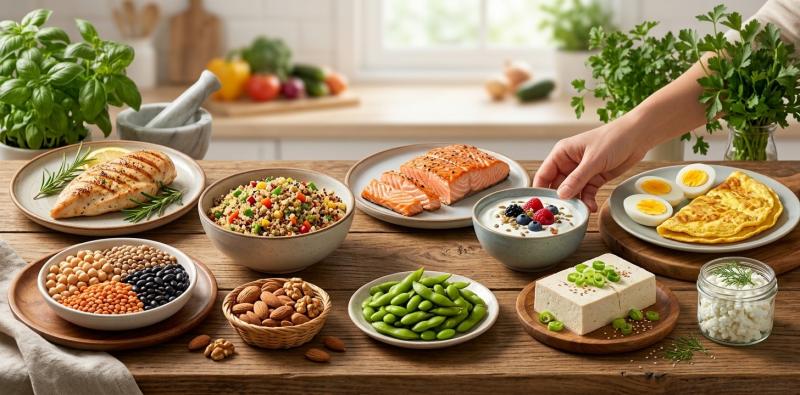
Protein is a vital dietary choice that should be included in the daily diet, especially for women. Its role extends beyond muscle building, supporting bone health, immunity, skin, and hair. It also aids hormone regulation and enhances satiety.
Women need high-quality protein sources that also provide essential nutrients like iron, calcium, vitamin B12, and Omega-3 fatty acids. This is particularly crucial during pregnancy, breastfeeding, exercise, or weight loss regimes. Choosing the right protein sources helps maintain overall health and improve life quality.
Why Do Women Need Protein?
Protein performs many critical functions in the body, including tissue building and repair, enzyme and hormone production, and immune system support. Adequate protein intake helps preserve muscle mass during weight loss, increases satiety, and reduces the urge for snacking.
Moreover, women need protein to maintain bone density, particularly as they age. A balanced diet may reduce the risk of muscle mass loss and osteoporosis.
Top 10 Protein-Rich Foods for Women
1. Chicken Breast
Chicken breast is one of the best low-fat protein sources, offering high protein with limited fat and calories. It's ideal for women aiming to build muscle or lose weight while maintaining muscle mass.
2. Whole Eggs
Eggs are one of the most nutritionally complete foods, providing high-quality protein with all essential amino acids. They also contain choline, which supports brain health, nervous system function, and hormonal balance.
3. Salmon and Fatty Fish
Salmon, sardines, and tuna combine high-quality protein with Omega-3 fatty acids, supporting heart and brain health and reducing inflammation. These healthy fats also help maintain skin vitality and joint health.
4. Lean Red Meat
Lean cuts of red meat offer high-quality protein, easily absorbed iron, vitamin B12, and zinc. They are recommended in moderation, especially for women prone to iron deficiency and anemia.
5. Greek Yogurt
Greek yogurt contains more protein than traditional yogurt and offers calcium and probiotics for bone and digestive health. It can be enjoyed as a filling breakfast or snack.
6. Cottage Cheese
Cottage cheese is an excellent source of slow-digesting casein protein, which prolongs fullness. It also contains calcium, essential for bone and dental strength.
7. Lentils and Legumes
Lentils, beans, and chickpeas are plant-based protein-rich foods that provide fiber, folate, iron, and magnesium, making them a great option for women, especially those following a vegetarian diet.
8. Tofu and Edamame
Tofu and edamame are leading sources of complete plant protein, containing all essential amino acids. Soybeans also have isoflavones that may support hormonal balance in some women.
9. Quinoa
Quinoa is one of the few grains that provide complete protein and is rich in fiber, magnesium, and iron. It can replace white rice or pasta in main meals.
10. Chia Seeds and Pumpkin Seeds
Chia and pumpkin seeds offer protein, fiber, and healthy fats, along with magnesium, zinc, and antioxidants. They easily enhance the nutritional value of yogurt, salads, or smoothies.
How Much Protein Do Women Need Daily?
Protein needs vary by age, physical activity, and health status. General recommendations include:
-An adult woman needs about 0.8 grams of protein per kilogram of body weight for normal daily activity.
-Exercise, muscle building, or weight loss can increase this need to 1.2 to 2 grams per kilogram.
-During pregnancy and breastfeeding, needs increase. It's advised to consult a doctor or nutritionist for personalized recommendations.
Tips for Healthy Protein Intake
Distributing protein across all daily meals maximizes its benefits. Start the day with a protein-rich breakfast and add healthy protein sources to main and snack meals, with variety in animal and plant sources for comprehensive nutrition.
Furthermore, choose healthy cooking methods such as grilling, boiling, and steaming, while limiting processed foods high in saturated fats and sodium.
Common Mistakes in Protein Consumption
Some women believe increasing protein alone improves health or aids weight loss. However, excessive intake without a balanced diet might not yield desired results. Neglecting fruits, vegetables, and whole grains reduces nutritional benefits. Therefore, protein should be part of a holistic dietary approach.
In conclusion, protein is a vital nutrient for women's health, supporting muscle building, bone health, hormonal balance, and satiety. Choosing diverse, high-quality protein sources is crucial for maintaining health and fitness at all stages of life. With a balanced diet and active lifestyle, these foods can enhance health and quality of life.
See Also
Top 10 Profitable Small Business Ideas for 2026