


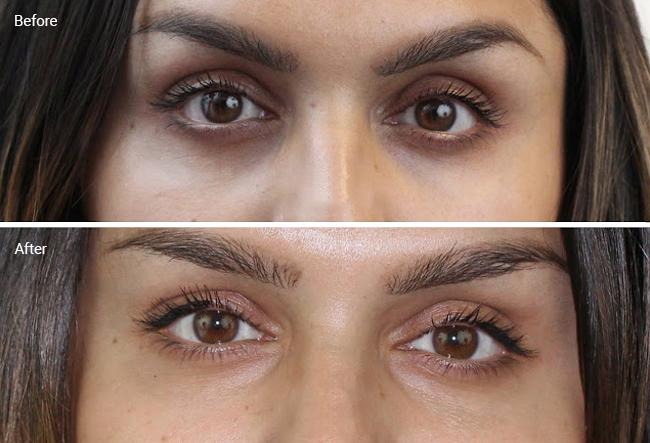
Dark circles under the eyes are a common cosmetic issue, often giving the face a tired appearance, even after sufficient sleep. These circles aren't solely linked to a lack of sleep; they can result from genetic factors, sun exposure, allergies, eye rubbing, or skin changes due to aging.
To effectively eliminate dark circles, it is crucial to identify the underlying cause. Dark circles can stem from pigmentation, blood vessels, or under-eye hollows. While home care and lifestyle changes may improve appearance in some cases, persistent issues might require a dermatologist's evaluation and specialized treatments.
What Causes Dark Circles?
Several factors can lead to or be responsible for the visibility of dark circles. Major causes include:
- Lack of sleep and fatigue.
- Genetic predisposition.
- Frequent eye rubbing or scratching.
- Allergies and eczema.
- Contact dermatitis.
- Frequent sun exposure.
- Hyperpigmentation or melasma.
- Aging-related skin changes.
- Smoking.
- Stress and tension.
- Under-eye hollows or puffiness.
Dark circles aren't always due to pigmentation but may also result from shadows cast by puffy eyelids or under-eye hollows. Thus, treatment varies from person to person.
Home Remedies for Dark Circles
Simple steps can enhance the eye area, especially for mild to moderate dark circles.
- Cold Compresses: Applying a damp, cold cloth to the under-eye area for a few minutes may help constrict blood vessels and reduce puffiness, temporarily diminishing darkness.
- Adequate Sleep: Consistent, adequate sleep can help reduce fatigue-related circles but may not resolve all dark circles.
- Sun Protection: Sun exposure can deepen pigmentation, so sun protection is vital for eye care. Mayo Clinic recommends using a broad-spectrum sunscreen with at least SPF 30, particularly under prolonged sun exposure.
- Avoid Eye Rubbing: Continuous rubbing can irritate skin and worsen pigmentation.
- Allergy and Eczema Treatment: If allergies or eczema contribute, treating these conditions may be necessary along with dark circle creams.
- Under-Eye Creams: Specialized products containing ingredients like caffeine, kojic acid, or vitamin K may help depending on the dark circles' cause.
- Head Elevation During Sleep: For puffiness-related issues, sleeping with a slightly raised head might help reduce fluid accumulation.
- Reduce Salt Intake: Lowering salt and evening fluid consumption might help limit fluid retention.
Can Drinking Water Treat Dark Circles?
While proper hydration is important for overall health, drinking water alone doesn't treat all dark circles types, especially those due to genetics or pigmentation.
Are Cucumber or Potato Slices Effective?
Popular remedies like cucumber or potato slices might provide a cooling effect, but definitive results require identifying the root cause.
When to Seek Medical Treatment?
If dark circles persist despite lifestyle changes, seek a dermatologist's assessment. Treatment varies depending on the problem, possibly including prescription creams or cosmetic procedures like laser treatments or chemical peels.
Dark Circles Due to Under-Eye Hollows
Darkness might be due to under-eye shadows from hollows rather than skin color. In such cases, fillers or other procedures might be options after dermatological evaluation.
Can Laser Treat Dark Circles?
Laser treatments may be considered for pigmentation or skin changes, but effectiveness depends on dark circles' cause and skin type.
Are Fillers Suitable for Dark Circles?
Fillers can help with shadows from under-eye hollows but aren't for pigment-related issues. A qualified, experienced doctor in under-eye treatments should be consulted.
Common Mistakes to Avoid
- Continuous eye rubbing.
- Using strong creams not designed for the eye area.
- Applying lemon or acidic substances.
- Following unverified home remedies.
- Insufficient, irregular sleep.
- Neglecting sun protection.
- Using multiple products simultaneously.
- Getting treatments like lasers or injections from unqualified individuals.
When is a Doctor's Visit Necessary?
While not typically a serious health concern, dark circles merit medical evaluation if new or severe. Unilateral darkening or accompanying unusual symptoms should prompt a doctor's visit.
Conclusion: Effective dark circle treatment hinges on addressing underlying causes. For persistent or severe cases, consulting a dermatologist to find the best treatment is advisable, avoiding random attempts around the sensitive eye area.
Watch Also: