


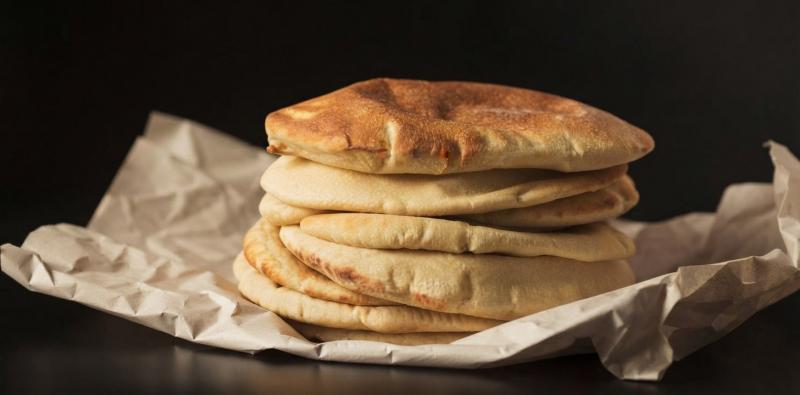
The Lebanese white loaf bread is a staple product of significant interest to households across Lebanon. Any increase or decrease in its price directly affects consumers. The pricing of bread in Lebanon is influenced by a range of factors, including wheat prices, diesel costs, transportation, and operating expenses, along with decisions from the Ministry of Economy and Trade.
According to the official pricing, a medium-sized loaf of white Lebanese bread costs 75,000 Lebanese pounds when purchased directly from bakery outlets, whereas the smaller size costs 45,000 Lebanese pounds.
Bread Prices in Lebanon 2026
The cost of a loaf varies based on size and point of sale, but the official prices set within bakery outlets serve as the base for consumers.
Price of Medium-Sized Loaf
The medium-sized Lebanese white loaf is priced at 75,000 Lebanese pounds in bakery outlets as per the listed rate. This size is the most popular among consumers due to its use in homes, restaurants, and food shops.
Price of Small-Sized Loaf
On the other hand, the small-sized Lebanese white loaf is officially priced at approximately 45,000 Lebanese pounds within bakery outlets. The difference in price between sizes is due to the variance in bread quantity and production costs associated with each size.
Does Bread Price Vary Between Bakeries and Stores?
When looking at bread prices in Lebanon, it is crucial to differentiate between the official price in bakery outlets and the price a consumer might pay in a store or supermarket.
Prices at some sales points outside of bakeries may rise by about 5,000 to 10,000 Lebanese pounds, attributed to transportation, distribution costs, and retail margins.
Therefore, the price seen by a consumer on a store shelf may not exactly match the official price set within bakery outlets.
Why Do Bread Prices Change in Lebanon?
The bread price does not depend on a single factor but is affected by various cost elements involved in production and distribution.
Wheat Prices
Wheat is a key component in bread production. Therefore, significant changes in global prices or import costs can affect bakery calculations, along with transport, storage, and handling costs, particularly because the Lebanese market heavily relies on imports.
Diesel and Fuel Prices
Large amounts of energy are required to operate the ovens and equipment used in bread production, making diesel a significant factor in the cost calculation. Rising fuel prices increase operating, transport, and distribution costs, adding pressure to the price of a bread loaf.
Transportation and Distribution
Bread costs extend beyond manufacturing, as loaves move from bakeries to stores, supermarkets, and various sales points. Consequently, a loaf’s price in a store could be higher than in a bakery outlet due to additional transportation, distribution, and sales margin costs.
Bakeries Warn of Rising Production Costs
Recently, the bakery sector in Lebanon has faced increasing pressures from rising operational costs, with warnings of difficulties maintaining current prices if fuel and primary element costs continue to rise.
Bakery unions demand reassessment of bread production costs to align with changing diesel, wheat, and other production elements, highlighting the significance since bread is a staple item and any price adjustment affects Lebanese household budgets.
What Determines the Cost of a Bread Loaf?
The main factors influencing bread prices in Lebanon include:
- Wheat and raw material prices.
- Diesel and fuel prices.
- Bakery operating costs.
- Labor wages.
- Transportation and distribution costs.
- Spare parts and maintenance prices.
- Economic conditions and exchange rates.
- Official decisions related to bread pricing.
Additionally, actual costs may vary between bakeries depending on production size, location, and their specific operating expenses.
Can Bread Prices Change?
Yes, bread prices in Lebanon can change due to developments in production costs and basic materials used in bread-making. Wheat and fuel prices are crucial indicators that bakeries monitor when calculating costs, while the Ministry of Economy and Trade plays a fundamental role in setting official prices for subsidized or regulated bread.
Therefore, the announced price today is not guaranteed to remain stable for long, especially with ongoing fluctuations in energy and raw materials prices.
Bread Prices in Lebanon: Balancing Official Rates and Production Costs
Bread remains closely tied to the daily economy of Lebanese citizens. Any change in loaf price quickly becomes a public issue affecting various societal segments.
On the other hand, bakeries face the challenging balance of adhering to official pricing while also grappling with increased production costs. This dynamic sparks ongoing discussions about fair pricing that ensures consumers can afford bread while helping bakeries sustain operations.
Ultimately, the price for a medium-sized Lebanese white bread loaf is 75,000 Lebanese pounds within bakery outlets as per the stated pricing, while the small size is priced at 45,000 Lebanese pounds.
Consumers may encounter higher prices when buying bread from some stores and supermarkets due to added transportation and distribution costs. Conversely, bread pricing is tightly linked with wheat prices, diesel, and operational costs, making any significant changes in these elements potential reasons for revisiting the pricing strategy.
See Also:What to Do in Amchit? Top 5 Activities and Experiences