


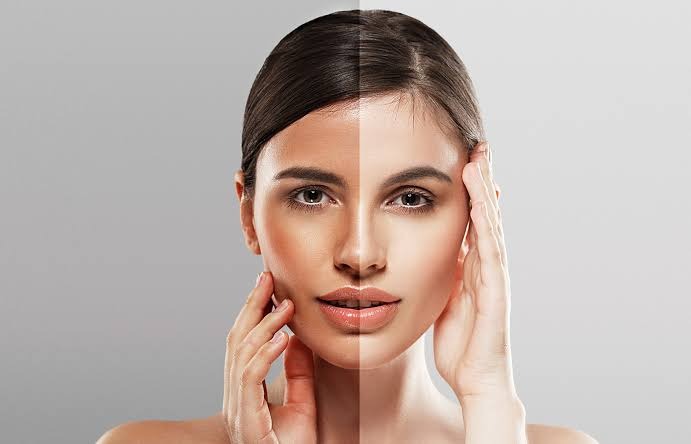
Facial darkening and uneven skin tone are common issues that may appear as brown spots or areas darker than the natural skin tone.
The reasons behind these issues can vary from person to person, including frequent sun exposure, increased melanin production post-inflammation, or hormonal changes causing melasma.
Darkening does not always mean the skin requires strong lightening products, as incorrect treatment of pigmentation can irritate the skin and worsen the problem.
Thus, effective skin lightening methods begin by identifying the cause of pigmentation and then protecting the skin from the sun while choosing the right ingredients for care.
What Causes Facial Darkening?
There are several factors that can lead to increased pigmentation or dark spots on the face, including:

1. Sun Exposure
Sun exposure is one of the main factors that stimulate melanin production, the pigment responsible for skin color. Repeated exposure to UV rays can make dark spots more prominent, and certain types of pigmentation like melasma may increase.
The impact is not limited to UV rays alone, as visible light can also exacerbate hyperpigmentation, especially for those with medium to dark skin tones.
2. Melasma and Hormonal Changes
Melasma is one of the most common causes of facial pigmentation, typically appearing as brown or gray patches symmetrically across the face. It may be related to pregnancy, hormonal changes, or the use of some hormonal contraceptives.
It often appears on sun-exposed areas like cheeks, forehead, nose, and above the lips and can become more apparent with sun exposure.
3. Effects of Acne and Inflammations
Dark spots may appear after acne, skin inflammations, wounds, scratches, or burns have healed. This is known as post-inflammatory hyperpigmentation, where extra melanin is produced following inflammation or injury.
Tampering with pimples or trying to pop them might not only cause scarring but also leave dark spots that require significant time to fade.
4. Using Irritating Skin Products
Using strong or unsuitable products can irritate the skin, leading to dark pigmentation in some cases. If a product causes persistent burning or stinging, it's best to stop using it and opt for gentler alternatives.
This is particularly important when using exfoliants or multiple products simultaneously, as excessive exfoliation doesn't necessarily result in brighter skin.
5. Certain Medications
Some medications can cause skin color change or increase sensitivity to light, sometimes leading to pigmentation. If a noticeable change occurs after starting a medication, it should be discussed with a physician rather than discontinuing the drug independently.
How to Lighten and Even Out Skin Tone?
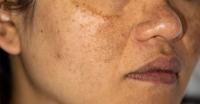
Treating darkening depends on its cause, depth, and type. However, several steps can help improve skin appearance and gradually reduce spots.
1. Daily Sunscreen Use
Protecting the skin from the sun is crucial for treating most types of hyperpigmentation. Continued sun exposure can worsen pigmentation and complicate its treatment. The American Academy of Dermatology recommends using broad-spectrum SPF 30 or higher, reapplying after prolonged exposure, swimming, or sweating.
In cases of melasma and pigmentation, tinted sunscreen containing iron oxides can also be beneficial as it offers extra protection from visible light that can exacerbate pigmentation.
2. Choosing Ingredients to Reduce Pigmentation
After addressing the root cause and protecting the skin from the sun, some ingredients can help lighten spots and even out skin tone.
3. Using Gentle Skincare Products
Choosing gentle and fragrance-free skincare products when needed helps minimize irritation that may increase pigmentation. If a product causes noticeable burning or stinging, it's advisable to stop using it rather than continuing in hopes of skin improvement.
4. Treating the Underlying Cause Before Pigmentation
If darkening results from acne, eczema, or skin inflammation, addressing the primary issue is integral to treating pigmentation. Post-inflammation, dark spots can gradually fade.
5. Consulting a Dermatologist for Persistent Pigmentation
Some cases may require stronger treatments than home care products, especially if pigmentation is deep, widespread, or unresponsive to sun protection and appropriate care.
Dermatologists may use prescription topical treatments or recommend procedures like chemical peels or specific lasers, depending on pigment type and skin tone.
However, these procedures are not suitable for everyone and may exacerbate pigmentation if performed improperly, so they should be done under specialist supervision.
How Long Does It Take to Treat Facial Darkening?
There is no one-size-fits-all duration, as the time to fade pigments depends on their cause, depth, and the persistence of the provoking factor.
According to the American Academy of Dermatology, a spot slightly darker than the skin tone may require 6 to 12 months to fade after removing the cause. Deeper pigmentation can take much longer, though appropriate treatments may speed up this process.
Specifically, melasma may be more stubborn and can recur after improvement, especially with sun exposure, requiring consistent light protection and a suitable treatment plan.
See Also:
Common Concealer Application Mistakes That Increase Dark Circles Visibility
Symptoms of Hormonal Imbalance in Women
Top 10 Ways to Care for Sensitive Skin