


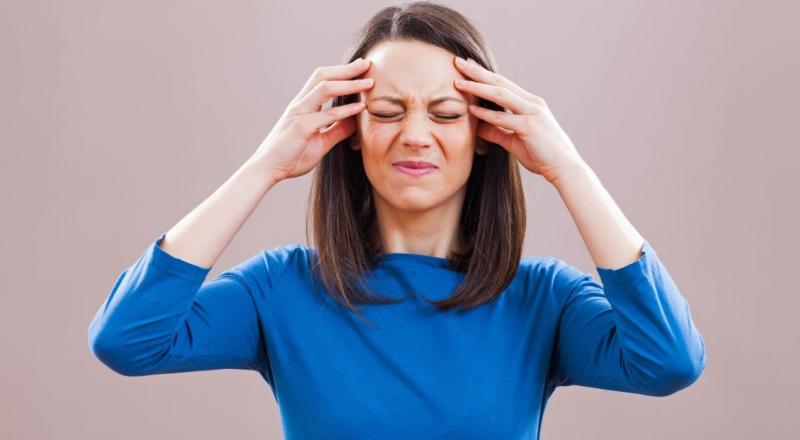
Hormonal fluctuations are a natural aspect of a woman's life, significantly evident during menstruation, pregnancy, postpartum, and pre-menopause phases. Some women might notice recurring headaches at similar times each month, which often dissipate after the phase ends.
Hormonal headaches vary among women in pain location, intensity, duration, and accompanying symptoms. Sometimes, these headaches manifest as migraines triggered by declining estrogen levels, making it crucial to recognize symptoms linked to hormonal changes.
Symptoms of Hormonal Headaches
Symptoms of hormonal headaches can differ based on the headache type and accompanying hormonal changes, with common symptoms including:
- Throbbing or pounding head pain.
- Moderate to severe pain intensity.
- Pain localized on one side of the head for some women.
- Increased pain with physical movement or activity.
- Sensitivity to light and sounds.
- Nausea or vomiting.
- Fatigue and exhaustion.
- Difficulty concentrating during headaches.
- Mood swings, especially if coinciding with premenstrual symptoms.
The duration of these headaches might last hours or extend over several days, particularly if they align with menstrual migraines.
When Do Hormonal Headaches Occur?
Hormonal headaches typically occur during significant hormonal changes, notably before menstruation and on menstrual days. Some women experience headaches a couple of days before menstruation, while others notice them at the onset of bleeding. Menstrual migraines are particularly associated with decreased estrogen levels before a period starts.
Headache nature can also alter during pregnancy, post-pregnancy, or in pre-menopausal stages due to hormonal fluctuations during these times.
Is Pre-menstrual Headache Normal?
Pre-menstrual headaches are frequently tied to hormonal changes, notably declining estrogen levels. They might appear with other symptoms like bloating, mood swings, breast tenderness, cramps, and fatigue. However, if headaches are severe or hinder daily activities, consulting a doctor is advisable, especially if symptoms worsen over time.
Hormonal vs. Migraine Headaches
Hormonal headaches aren't a distinct type of headache but rather a term for headaches linked to hormonal changes. Migraines are the most common type connected to menstrual cycles, often featuring a throbbing pain on one head side, accompanied by nausea and sensory sensitivity. When migraines repeatedly occur at certain menstrual cycle phases, hormonal changes could be a trigger.
Causes of Hormonal Headaches
Estrogen level changes, especially before menstruation, prominently relate to hormonal headaches. Hormones also fluctuate during pregnancy, postpartum, breastfeeding, and peri-menopausal phases. Some hormonal contraceptives may also affect headache patterns for some women.
It's crucial to recognize that not all headaches in women are hormonally driven, as insufficient sleep, dehydration, stress, certain foods, caffeine, and tension are other common triggers.
Identifying Hormonal-Linked Headaches
Key indications connecting headaches to hormones include recurring patterns during the same menstrual cycle phase over several months. Women can document headache timings, duration, intensity, and related symptoms, along with menstrual cycle dates. This log aids doctors in identifying clear patterns that associate headaches with hormonal changes.
When to Consult a Doctor for Headaches
Consulting a doctor is recommended if headaches persistently recur, intensify, or disrupt daily activities, particularly if new or with altered patterns. Urgent medical evaluation is necessary if sudden, severe headaches arise or if accompanied by body part numbness, speech or vision difficulties, consciousness loss, or confusion.
Alleviating Hormonal Headaches
Maintaining regular sleep patterns, staying hydrated, consuming regular meals, and reducing known headache triggers may alleviate symptoms in some women. Doctors may prescribe pain relievers or other treatments based on headache type, frequency, and individual health status. A treatment plan might also start before anticipated symptoms if migraines correlate with menstrual cycles.
Overusing painkillers is discouraged, as frequent use can cause medication-overuse headaches.
Also see: