


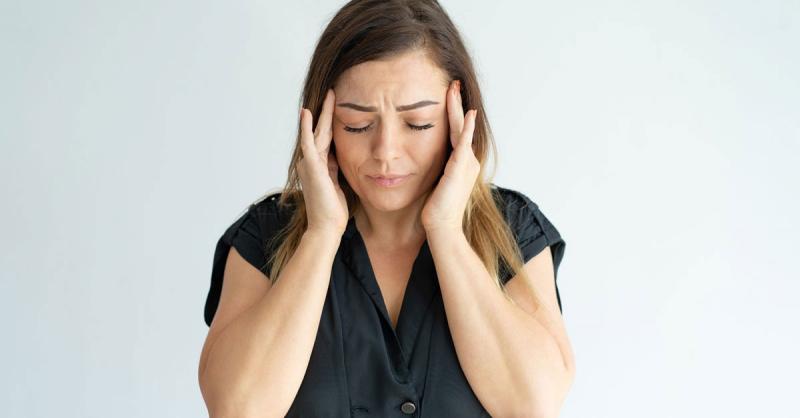
Hormonal imbalances in women can manifest in numerous ways. Hormones are crucial in regulating menstrual cycles, fertility, metabolism, sleep, mood, and various bodily functions.
Imbalances can involve hormones like estrogen, progesterone, thyroid hormones, androgens, or cortisol. The severity of symptoms can be influenced by their cause, the woman's age, and life stage.
Key Symptoms of Hormonal Imbalances in Women
Hormonal imbalances can affect different systems in the body, impacting reproductive health, metabolism, skin and hair, or mental health. Here are some prevalent symptoms.
1. Menstrual Cycle Disorders
Menstrual cycles are greatly affected by hormonal changes, particularly when ovulation or hormone levels are disrupted.
Women might experience delayed, irregular, or unusually frequent cycles, absence of menstruation, or changes in their duration. There could be heavier bleeding or notably lighter periods, or bleeding between cycles.
Menstrual irregularities may signal conditions such as polycystic ovary syndrome or thyroid issues. Continuous irregularities, especially with other symptoms, should prompt medical consultation.

2. Difficulty Conceiving and Ovulation Disorders
Hormonal imbalances might affect ovulation, impacting fertility. This may present as irregular or absent cycles, though some ovulatory issues may not show obvious symptoms.
Polycystic ovary syndrome is a common cause of ovulation disorders, alongside signs like increased hair growth, acne, or weight changes.
For delayed conception or consistently irregular cycles, a doctor may recommend tests to assess ovulation, thyroid function, and other fertility factors.
3. Weight and Metabolic Changes
Hormonal changes might coincide with shifts in weight, appetite, or fat distribution. Some women gain weight or struggle to lose it, while others may experience unexplained weight loss, especially with thyroid dysfunction.
Weight gain alone isn't necessarily indicative of a hormonal issue, as diet, activity, sleep, medications, and health all play roles.
It's crucial to assess weight changes alongside other symptoms like cycle irregularities, fatigue, temperature sensitivities, or heart palpitations.
4. Acne and Skin Changes
Hormonal fluctuations can impact the skin, particularly with excess androgens affecting oil glands. Persistent or recurring acne, notably around the jaw and chin, may indicate hormonal issues, possibly accompanied by unusual hair growth.
Not all acne is hormonal, so it's important to consider age, breakout patterns, and accompanying symptoms.
5. Hair Growth and Loss
High androgen levels or follicle sensitivity can lead to hirsutism—coarse hair growth on the face, chest, or back. Conversely, some women experience scalp hair thinning or shedding, influenced by hormonal, dietary, genetic, or health factors.
Sudden, excessive hair growth or concurrent cycle irregularities and acne warrant medical evaluation, particularly if symptoms progress quickly.
6. Mood Swings and Psychological Changes
Hormones don't only affect the body but also mental health, leading to irritability, emotional shifts, anxiety, or mood dips, especially during significant hormonal changes.
These shifts are often more noticeable around menstruation, premenopausal, or postmenopausal stages. Persistent psychological symptoms aren't automatically hormone-related.
Chronic stress, sleep deprivation, and life pressures also impact mood and energy, necessitating a comprehensive symptom assessment.
7. Insomnia and Sleep Disorders
Hormonal changes can disrupt sleep, causing difficulty falling asleep or frequent nighttime awakenings—more common during menopause with hot flashes and night sweats.
Sleep deprivation itself exacerbates fatigue, mood swings, and concentration issues. Therefore, when sleeplessness persists or markedly affects life, further evaluation is warranted beyond hormonal assumptions.
8. Fatigue and Low Energy
Persistent fatigue might accompany hormonal disorders, notably thyroid issues, with some women feeling lethargic despite sufficient sleep.
Fatigue can stem from anemia, nutrient deficiencies, sleep disorders, psychological stress, or various health conditions, making continued fatigue or symptom combinations necessitate medical investigation.
9. Concentration Difficulties and Brain Fog
During hormonal fluctuations, some women report "brain fog"—trouble focusing, temporary forgetfulness, or difficulty quickly retrieving information.
This complaint is common around menopause but isn't specific to hormones, as stress, sleep deprivation, and fatigue can cause similar symptoms.
10. Vaginal Dryness and Pain During Intimacy
Decreased estrogen may alter vaginal tissues, causing dryness, burning, discomfort, and pain during intercourse.
This issue is more prevalent post-menopause but can occur for other reasons. Persistent dryness or pain should prompt medical consultation to ascertain causes and potential treatments.

11. Digestive Disorders
Some women experience digestive alterations during hormonal shifts, like bloating, bowel changes, constipation, or diarrhea, which can coincide with menstrual phases but aren't sole indicators of hormonal issues.
If digestive problems are severe, persistent, paired with unexplained weight loss, blood in stools, or intense pain, investigate broader causes.
12. Temperature Sensitivity
Unusual temperature sensitivity might indicate thyroid disorders, causing increased cold feelings in hypothyroidism or heat and sweating in hyperthyroidism. This symptom merits attention when coupled with weight, heartbeat, energy, or bowel changes.
13. Heart Palpitations and Pulse Changes
Women may experience palpitations or rapid heartbeats with thyroid-induced changes, especially in hyperthyroidism, though palpitations have various other causes like anxiety, stimulants, drugs, or cardiac issues. Hence, evaluate them in context rather than assuming hormonal causes.
When to See a Doctor?
Not all changes in cycles, weight, or mood warrant concern. However, multiple symptoms collectively, prolonged or sudden, justify consulting a doctor.
Medical attention is crucial for unexpectedly absent or heavy cycles, rapid hair growth or loss, sudden unexplained weight gain or loss, persistent palpitations, severe fatigue, or sleep disturbances affecting daily life.
Testing varies per individual. Doctors might recommend thyroid or sexual hormone assessments or other markers based on symptoms, medical history, age, and menstrual cycle, rather than random hormone tests.
Can Symptoms Alone Diagnose Hormonal Imbalances?
Relying solely on symptoms to confirm hormonal imbalance is insufficient, as many mimic other conditions. Hormone levels naturally fluctuate with menstrual cycles, pregnancy, lactation, and aging.
Diagnosis typically combines symptoms, medical examination, and health history, with blood tests, imaging, or other examinations as needed.
An out-of-range hormone level in a single test doesn't imply a condition needing treatment; interpretation depends on hormone measured, test timing, symptoms, and overall health context.
In Conclusion, hormonal imbalance symptoms in women can appear as changes in cycles, fertility, weight, skin, hair, sleep, mood, and energy.
Monitoring persistent or unusual changes, particularly when multiple symptoms present, enables early medical evaluation to identify true causes and plan suitable treatments instead of relying on supplements or hormonal therapies without diagnosis.
See Also:
What is the Religion of Maya Diab?