


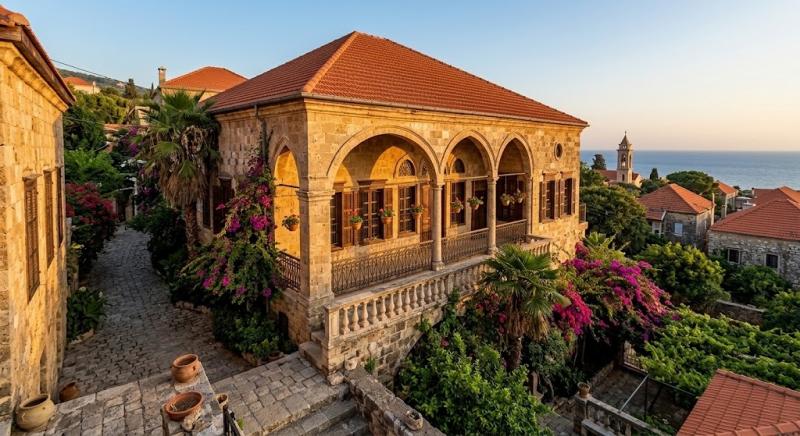
Amchit is distinguished by a rich historical and architectural heritage, making it a unique stop beyond the traditional coastal visits in Lebanon.
The town's identity is vividly displayed in its ancient churches, heritage homes, and buildings that reflect various historical periods. Some sites hold details linked to civilizations and figures that left an imprint on the region.
Exploring the famous historical landmarks in Amchit, Lebanon offers an opportunity to closely experience this aspect of the town. Many of its heritage buildings blend Lebanese architecture with Ottoman and European influences due to the town's historic commercial activity.
Highlighted Historical Landmarks in Amchit:
1. Saint Zechariah Church
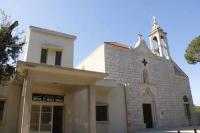
Saint Zechariah Church is one of the notable religious and historical landmarks in Amchit, dating back to the 6th century. It offers insights into the early stages of the town's Christian history and is significant due to its connection with the region's religious history and notable figures.
A visit to the church provides a glimpse into the ancient religious architecture in Amchit, especially for those interested in the history of Lebanese churches and their evolution over time.
2. Our Lady of Amchit Church
Our Lady of Amchit Church holds a prominent place among the town's historical landmarks. Originally among the oldest parish churches in Amchit, it was known as 'Our Lady of the Threshing Floors.'
It underwent restoration and expansion in 1782 and again in 1958, maintaining harmony between the additions and the building's historical architectural style.
The site's importance extends beyond the church itself with surrounding tombs and commemorative plaques linked to families and figures from Amchit's history, adding significant historical value.
3. Mikhail Lahoud House and the Lebanese House of Photography
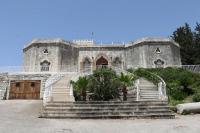
Mikhail Lahoud House is a prominent heritage house in Amchit, with parts dating back to the 19th century.
It is essential because its vaults preserve artifacts from various historical periods, including Roman relics and those from the Mamluk and Ottoman eras. Additionally, sources indicate the presence of an ancient well and artifacts linked to the Jewish community that lived in the town during the 8th century.
The site is home to the Lebanese House of Photography, part of the 'Bail Workshop' archaeological center, housing a vast archive of old Lebanese photographs along with architectural and archaeological elements reflecting different civilizations and historical periods.
This makes the landmark a fusion of architecture, heritage, history, and photography, offering visitors a unique experience beyond traditional church and historical building visits.
4. Al Wahba House
Amchit features several palaces and heritage houses that mirror the commercial prosperity it experienced in previous stages, with Al Wahba House being a notable example of old residential architecture.
The town's heritage houses typically intertwine Lebanese style with Turkish, French, and Italian architectural influences, as some residents collaborated with architects from these schools to construct uniquely designed homes and palaces, becoming integral to the town's heritage identity.
This architecture makes strolling through the old quarters an experience, especially for photography lovers and those eager to explore historical buildings in detail.
5. The Suleiman Family House
The Suleiman Family House stands out among Amchit's heritage houses and gains importance due to the story of Saint Charbel Makhlouf visiting the home in 1889 to attend to the ailing Gabriel Suleiman, marking the site as a witness to a part of the town's social and religious history.
The house still stands and recent local sources report its listing on the general inventory of historical buildings by the Lebanese Ministry of Culture, reflecting its architectural and heritage value.
Why Amchit's Historical Landmarks Are Worth Visiting?
Amchit's historical landmarks offer visitors a comprehensive view of the town, distributing its history across ancient churches, heritage homes, palaces, and sites preserving relics from different historical periods.
The proximity of many of these landmarks to the old quarters allows for multiple site explorations in one tour, pausing at the stone architecture and traditional streets retaining part of Amchit's old charm.
See Also:
Places to Visit in AmchitThe Most Beautiful Lebanese Villages in Summer?7 Camping Sites in Lebanon