


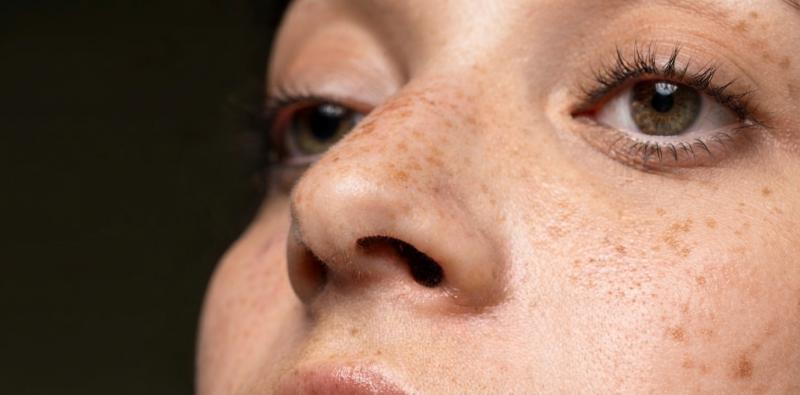
Facial pigmentation ranks among the most common skin issues, manifesting as brown or dark patches on areas like the cheeks, forehead, and around the mouth, or elsewhere on the face. Hyperpigmentation occurs when skin cells produce an excess of melanin, the natural pigment responsible for skin color.
The reasons for facial pigmentation can vary from individual to individual and might stem from clear environmental factors like sun exposure or be linked to hormonal changes or previous skin inflammations. Identifying the cause is crucial for selecting the appropriate skincare and pigmentation treatment method.
What Causes Facial Pigmentation?
1. Excessive Sun Exposure
Ultraviolet (UV) rays from the sun are significant triggers for melanin production in the skin. When skin is exposed to UV rays, melanin-producing cells increase their activity as part of the body's natural defense mechanism.
Repeated sun exposure can lead to the appearance of sun spots or darkening of existing pigmentation, particularly if not using sunscreen regularly.
2. Hormonal Changes and Disruptions
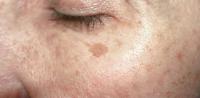
Hormonal changes can result in a common type of hyperpigmentation known as melasma, characterized by symmetrical brown or dark patches on the cheeks, forehead, or above the upper lip.
Melasma is more prevalent during pregnancy and can also be linked to the use of certain hormonal contraceptives. Hormonal disorders might also play a role in its occurrence among some individuals.
3. Pigmentation from Inflammation
This condition is known as post-inflammatory hyperpigmentation (PIH) and can result from skin inflammation, injury, or irritation. Common causes include acne scars, eczema, and superficial burns, as well as certain hair removal procedures or skincare products that irritate the skin. After the inflammation subsides, the area may remain darker than the surrounding skin.
4. Aging
As one ages, the skin becomes more susceptible to the appearance of spots associated with cumulative sun exposure, known as age spots or sun spots.
These spots are more prominent in areas frequently exposed to the sun, such as the face, hands, and neck, especially without adequate protection from UV rays over many years.
5. Certain Medications
Some medications can cause skin tone changes or increase sensitivity to sunlight, potentially leading to pigmentation in some individuals.
This includes antibiotics that may cause specific skin changes and other drugs that increase photosensitivity, as well as certain cancer treatments. Consulting a doctor is advisable when noticing new pigmentation after starting a particular medication, and one should not discontinue the medication independently.
6. Vitamin and Nutrient Deficiencies
Some nutrient deficiencies can be linked to changes in skin tone and appearance, though pigmentation is not always directly caused by vitamin deficiency.
A deficiency in Vitamin B12, for example, may be associated with hyperpigmentation in certain people. Unexplained pigmentation or accompanying symptoms should prompt medical evaluation to identify the cause, rather than taking random supplements.
7. Genetic Factors
Genes play a role in determining skin color and reaction to sun exposure and environmental factors. Certain types of pigmentation, like freckles, are heavily influenced by genetics and sun exposure.
Consequently, some individuals may be more prone to developing freckles or pigmentation compared to others, even under the same external conditions.

8. Pollution and Lifestyle Factors
Long-term exposure to air pollution can heighten oxidative stress on the skin, a factor researched for its role in exacerbating pigmentation issues and skin aging.
Smoking adversely affects skin health by increasing oxidative stress and impairing blood flow to tissues, while neglecting skincare and sun protection can worsen existing pigmentation.
How Can You Prevent Facial Pigmentation?
Once the causes of facial pigmentation are understood, daily protection becomes a vital step in minimizing the appearance or severity of spots.
Daily Use of Sunscreen
Sunscreen is paramount in preventing pigmentation. It's recommended to choose a broad-spectrum sunscreen with an appropriate SPF for your skin and apply it regularly, reapplying as needed, especially during direct sun exposure.
Choosing Ingredients to Even Skin Tone
Certain skincare products contain ingredients that can improve pigmentation appearance and even skin tone, such as niacinamide, vitamin C, azelaic acid, and retinoids.
The choice of ingredients depends on skin type and pigmentation causes. Some cases may require dermatological evaluation, especially if the spots are severe, persistent, or changing in appearance.
Avoiding Skin Irritation
Harsh scrubbing, using abrasive products, or attempting to extract blemishes can increase the risk of post-inflammatory pigmentation. Thus, adopting a gentle skincare routine and avoiding multiple active ingredients at once is preferred.
When Should You See a Dermatologist About Facial Pigmentation?
Not all dark spots are alike, and seeing a dermatologist is advisable if unexpected or unexplained pigmentation appears, or if a spot changes in shape, color, or size, or doesn't improve despite a proper skincare routine.
Treatment for melasma and deep pigmentation might require a specialized plan combining sun protection, topical treatments, and sometimes dermatological procedures as determined by a dermatologist.
Conclusion: The causes of facial pigmentation range from excessive sun exposure, hormonal changes, skin inflammations, and aging to medication and genetic factors, among other influences.
Sun protection remains a key preventive measure, coupled with avoiding irritation and selecting suitable products for your skin type. If pigmentation persists or occurs unusually, consulting a dermatologist to determine the cause and appropriate treatment is recommended.
See Also
Mistakes in Applying Concealer That Increase Dark Circles