


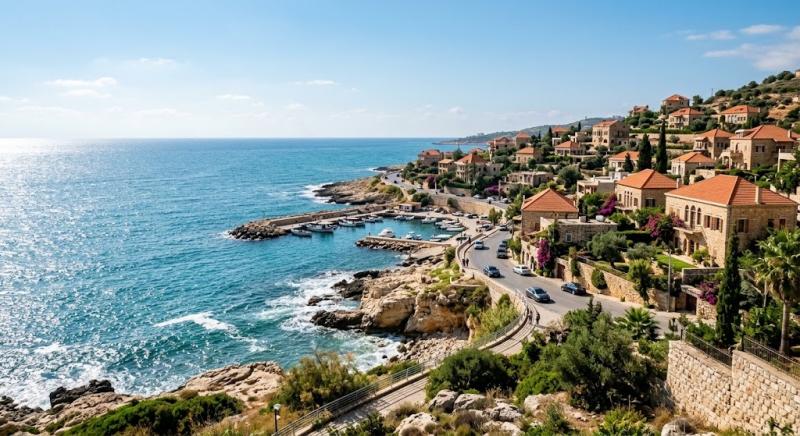
Amsheet is one of Lebanon's coastal towns combining sea, history, and nature in a single picturesque view. It is located north of Byblos, within the Jbeil District in Mount Lebanon Governorate. Known for its old neighborhoods, stone houses, and expansive gardens, Amsheet's coastal front offers a distinctive charm that attracts seekers of tranquility and relaxation.
The town is particularly associated with palm trees surrounding its palaces and old houses, earning it the nickname 'Basra of Lebanon'. Historically, Amsheet was known for cultivating figs, grapes, mulberries, olives, and tobacco. Apart from its natural beauty, the town retains a number of churches, landmarks, and heritage homes reflecting different stages of its history.
Where is Amsheet Located?
Amsheet is situated on the Lebanese coast north of Byblos. It's approximately 3 kilometers from Byblos and about 37 kilometers from Beirut, according to local tourism sources. Its proximity to the sea and Byblos makes it a convenient location for short trips and tours combining coastal and heritage tourism.
The town also boasts noticeable natural diversity, combining sea, hills, and green spaces, with fruit and forest trees spread across several of its neighborhoods and gardens of its old houses.
Why is Amsheet Known as the 'Basra of Lebanon'?
Among the most iconic nicknames associated with Amsheet is 'Basra of Lebanon', linked to the widespread palm trees in its palace and old house gardens. Sources suggest the people of Amsheet brought these palms from Arab countries, notably Iraq, making them part of the town’s architectural landscape over time. Palm trees, alongside stone buildings and gardens, give Amsheet a distinct look from other neighboring coastal towns.
Heritage Homes and Palaces in Amsheet
Amsheet's heritage homes are among its most notable features, with old stone houses and palaces combining Lebanese style with Ottoman and European architectural influences. The town houses architectural models distinguished by arches, windows, wooden ceilings, and inner courtyards. Built during different eras of commercial prosperity in Amsheet, notable heritage homes include those of the Zakhia Touby and Wahba families, and the Suleiman residence. These homes retain not only their external beauty but also architectural and interior details reflecting the town’s history and diverse influences over time.
Agricultural Fame of Amsheet
Amsheet's name has been historically linked to various crops and produce, most notably figs, known for their high-quality varieties and fruits, even inspiring popular phrases in local markets. The locals also grew grapes, olives, mulberries, and tobacco. Amsheet was also famed for silk production, participating in the trade of high-quality tobacco in various historical phases.
Churches and Religious Landmarks
Amsheet houses a collection of old churches and religious landmarks forming a significant part of its historical identity. Among the most notable is the ancient Church of St. Zakhia, attributable to the 6th century AD according to historical references. This church is associated with the Maronite Patriarchate and St. Jeremiah of Amsheet. Additionally, the town features the Church of Our Lady of Amsheet and the Church of Our Lady of Naia, among others, showcasing the historical diversity over time.
Amsheet and Ernest Renan
Amsheet's history is also tied to the French writer and orientalist Ernest Renan, who resided in the town in 1861 while engaged in archaeological research in the Byblos area. There are also references to his sister Henriette Renan, who died in Amsheet and was buried in the Zakhia family cemetery, adding a cultural and historical dimension to the town alongside its architectural and religious heritage.
Ancient Archaeological Sites
Amsheet's historical landmarks are not limited to churches and palaces, as there are indications of ancient archaeological sites in the surrounding area. Sources speak of Roman sarcophagi buried near the Church of St. George, while some heritage homes retain architectural and archaeological layers from different periods, reflecting the successive civilizations and influences in the region.
Waterfront and Dining
The waterfront grants Amsheet another facet of its character, where visitors can combine a tour of the old neighborhoods with relaxing time by the sea. The coast hosts cafes and restaurants that bring lively ambiance to the town, making the waterfront a suitable place for walking, relaxing, and enjoying the Mediterranean sea view. Recent sources suggest a visit to Amsheet combines exploring heritage landmarks with spending time on the corniche or coastal areas.
A Photographer's and Heritage Lovers' Destination
Amsheet is adorned with various visual elements ideal for photography enthusiasts—ranging from old stone facades, arches, and traditional windows to palm trees, gardens, and the sea. The proximity of landmarks to the old neighborhoods allows for on-foot exploration of parts of the town, especially for those keen on observing architectural details beyond quick visits.
Why Visit Amsheet?
Amsheet offers a diverse experience to visitors; it is not merely a coastal town, nor is its significance confined only to its historic homes. A visit can encompass exploring heritage neighborhoods, churches, and palaces, then transitioning to the waterfront, restaurants, and cafes. The spread of palm trees around old houses, the town’s historical links with agriculture, commerce, and cultural figures, all impart Amsheet with a unique identity combining nature, heritage, and coastal life.
Summary
Amsheet is renowned for its distinctive blend of heritage, sea, and nature. It is particularly marked by its stone houses, old palaces, and palm trees earning it the nickname 'Basra of Lebanon'. Its history is linked to the cultivation of figs, grapes, olives, mulberries, and tobacco, alongside silk production. The town also hosts important churches and historical sites, such as the Church of St. Zakhia, along with heritage homes and locales connected to Ernest Renan's history. With its waterfront, restaurants, and cafes, Amsheet remains one of Lebanon's towns where a visit combines the sea, history, and nature.
See also
Best Seaside Restaurants in Lebanon