



Fruits stand out as some of the best foods to incorporate into a healthy diet for weight loss. They are rich in vitamins, minerals, and fibers needed by the body to maintain energy and overall health. While they do contain natural sugars, selecting the right types and consuming them in moderate amounts can help control appetite and reduce the intake of high-calorie foods.
Fruits do not directly burn fat, but they promote weight loss by increasing feelings of fullness, enhancing digestion, and providing essential nutrients while on a diet. Nutritionists recommend relying on fresh fruits as part of a balanced diet that also includes protein, vegetables, and whole grains.
How do fruits aid in weight loss?
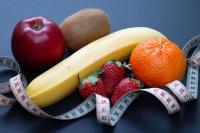
Many fruits are high in fibers and water, crucial elements for prolonged fullness. By choosing fruit over processed sweets or sugary, fatty snacks, one can easily reduce daily calorie intake.
The benefits of fruits for weight loss include:
- Reducing hunger between meals
- Improving digestive health
- Providing natural energy
- Supporting gut health
- Decreasing cravings for processed sugars
Natural Options to Support Fat Burning and Fullness

Apples: The Fruit of Satiety and Appetite Control
Apples are among the most popular fruits associated with weight loss diets, thanks to their good amount of fiber, especially pectin, which helps increase satiety.
They can be consumed as a snack between main meals, with the peel offering beneficial compounds, so it's best to wash them well and eat them with the skin.
Benefits of Apples:
- Relatively low in calories
- Aids in hunger management
- Contains important antioxidants
Berries: Small in Size, Big in Benefits
Berries, including strawberries, blueberries, and blackberries, are suitable for those wishing to lose weight.
Characteristics of Berries:
- High in fiber
- Rich in antioxidants
- Low in calories compared to many sweets
- Can be added to yogurt or oats
Berries can serve as a healthy alternative when craving a sweet taste without resorting to processed sweets.
Oranges: Hydration and Fullness
Oranges contain a high amount of water and fiber, making them a good choice in balanced diets.
It's advisable to eat the whole orange instead of drinking its juice to benefit from the fibers that slow sugar absorption and increase fullness.
Key Benefits:
- Supports immunity with vitamin C
- Aids hydration
- Reduces cravings for sugars
Grapefruit: A Low-Calorie Choice
Grapefruit is known for being low in calories and rich in water, thus included in many diets.
Adding it to meals may:
- Increase satiety
- Enhance dietary diversity
- Provide vitamins and minerals
However, it can interact with certain medications, so consult a doctor when on specific prescriptions.
Kiwi: A Fiber-Rich Fruit
Kiwi is distinguished by its unique taste and high fiber content, aiding digestion and fullness.
Benefits:
- Supports digestive health
- Provides important vitamins
- Helps regulate the diet
It can be consumed alone or added to salads and healthy smoothies.
Watermelon: A Refreshing Summer Hydrator
Watermelon comprises a high water content, making it a refreshing and low-calorie option when eaten in moderation.
Benefits include:
- Replenishing body fluids
- Reducing hunger related to thirst
- Providing some vitamins and minerals
Due to its natural sugars, its consumption should be moderate.
Avocado: Healthy Fats that Promote Fullness
Even though avocado contains more calories than some other fruits, it’s rich in healthy fats and fibers that promote feelings of fullness.
It can be used in moderate amounts in the diet, especially in:
- Salads
- Healthy meals
- Sandwiches
Its importance lies in its capability to reduce large food intake by enhancing the feeling of fullness.
Bananas: Natural Energy Before Workouts
While some believe bananas are unsuitable for dieting due to their sweetness, they can be a good option when consumed in moderation.
Bananas contain:
- Potassium
- Fiber
- Natural carbohydrates
They are suitable for athletes, offering quick and natural energy.
Best Ways to Consume Fruits for Weight Loss
To gain the benefits of fruits in a weight loss plan, it’s best to:
- Eat whole fruits instead of juices
- Select appropriate servings throughout the day
- Combine them with protein sources such as yogurt or nuts
- Avoid adding sugar or cream
- Vary types to obtain different benefits
Remember, weight loss relies on balancing calorie intake with physical activity and overall lifestyle habits.
Fruits to Consume in Moderation While Dieting
Most fruits are healthy, but some may have higher calorie or sugar content, thus control in quantity is advised, such as:
- Grapes
- Mango
- Figs
- Dried fruits
This doesn’t mean to eliminate them entirely, but to include them in measured amounts.
In conclusion, fruits are a vital part of any health-focused weight loss plan, providing fibers, water, and nutrients essential for the body’s efficiency. From apples and berries to oranges and kiwis, there are diverse options that can be easily integrated into daily meals.
Yet, weight loss success doesn’t depend on one type of food but rather a balanced lifestyle combining healthy nutrition, physical activity, and good daily habits.
See Also
Benefits of Turmeric Before Sleep
Foods That Keep You Full for Hours