



Vitamin D remains one of the most extensively researched health topics, especially as its deficiency becomes increasingly common worldwide. This vitamin plays a crucial role in maintaining bone and teeth health and boosting immune system functions. It also enhances the body's absorption of calcium and phosphorus.
Although sunlight is the primary natural source of vitamin D, diet plays a significant role in meeting daily needs and reducing deficiency risks. Experts thus recommend focusing on vitamin D-rich foods as part of a balanced diet.
The Importance of Vitamin D for the Body
Vitamin D is involved in numerous vital bodily processes. It aids in building and maintaining strong bones and supports muscles and the nervous system.
Moreover, studies suggest that optimal vitamin D levels are linked to a better-functioning immune system and enhanced disease and infection resistance. Physicians recommend monitoring vitamin levels periodically, particularly for those at higher risk of deficiency.
How to Obtain Vitamin D from Food?
While few foods are as rich in vitamin D as others, some natural sources can provide significant amounts to cover daily needs. Here's a list of the richest foods to easily incorporate into your diet.
Top 5 Foods Rich in Vitamin D
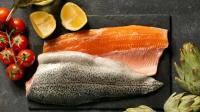
1. Salmon
Salmon is one of the most popular and best natural sources of vitamin D. A medium portion of cooked salmon provides a significant amount of vitamin D, contributing to a substantial portion of daily requirements.
Additionally, salmon is rich in high-quality proteins and omega-3 fatty acids, which benefit heart and brain health. Salmon can be included in numerous healthy meals through various cooking methods.
2. Cod Liver Oil
Cod liver oil tops the list of vitamin D-rich foods. Just one tablespoon contains more vitamin D than the daily recommended intake for adults.
Aside from vitamin D, cod liver oil provides high levels of omega-3 fatty acids and vitamin A, making it a standout supplement for overall health support. It has been used for decades to help prevent vitamin D deficiency.
3. Trout
Trout is among the best vitamin D-rich fish. It offers a high concentration of the vitamin, along with essential proteins and minerals. Its pleasant taste and high nutritional value make it an excellent choice for those aiming to increase their natural vitamin D intake.
4. Sardines and Tuna
Canned fish like sardines and tuna are practical and accessible sources of vitamin D. Sardines particularly offer a good amount of calcium, protein, and vitamin D simultaneously. Tuna also provides an adequate amount of the vitamin with easy storage and preparation.
These options are suitable for those who might not have access to fresh fish regularly.
5. Mushrooms and Egg Yolks
Mushrooms and egg yolks share the fifth spot as important non-fish sources of vitamin D. Mushrooms are the most notable natural plant source, especially those exposed to ultraviolet light during growth, significantly boosting their vitamin D levels.
Egg yolks contain beneficial amounts of vitamin D, with levels higher in eggs from free-range chickens exposed to more sunlight. Both eggs and mushrooms can be easily included in breakfast, lunch, and dinner meals.
Fortified Foods with Vitamin D
Apart from natural sources, many fortified food products offer additional vitamin D amounts.
Some of the prominent fortified products include:
- Fortified cow's milk
- Fortified soy milk
- Fortified orange juice
- Fortified breakfast cereals
- Some fortified yogurt and dairy products
Food companies fortify these products to help reduce vitamin deficiency rates among the population.
Vitamin D Deficiency Symptoms
Low vitamin D levels can lead to diverse symptoms varying from person to person.
Common symptoms include:
- Persistent fatigue and tiredness
- Bone and joint pain
- Muscle weakness
- Frequent infections
- Slow wound healing
- Mood swings
If a deficiency is suspected, a lab test and physician consultation are recommended to determine suitable treatment.
Tips to Increase Vitamin D Levels

Moderate Sun Exposure
Regular sunlight exposure effectively stimulates natural vitamin D production in the skin.
Regular Consumption of Oily Fish
Incorporate oily fish into your diet two or three times a week to benefit from their high nutritional content.
Relying on Fortified Foods
Fortified products fill nutritional gaps for those not consuming sufficient natural sources.
In conclusion, vitamin D-rich foods are an essential part of a healthy diet, especially given the worldwide prevalence of its deficiency.
By combining a balanced diet with moderate sun exposure, you can maintain healthy levels of vitamin D and reduce the risk of deficiency-related complications.
Also, see
The Benefits of Vitamin C for Skin
What is the Difference Between Iron and Iron Stores in the Blood?