



Over the centuries, the world has witnessed numerous natural disasters that have left devastating impacts on humans, infrastructure, and economies. These events were not just fleeting natural phenomena but turned into historical milestones that altered the course of nations and societies worldwide. They reshaped how people live and urban planning in many areas across the globe.
On the other hand, studying these disasters goes beyond mere historical reflection. It extends to understanding their causes and developing early warning systems to mitigate future human losses. Therefore, reviewing the largest natural disasters in history provides a clearer picture of nature's power and its profound impact on humanity.
Notable Natural Disasters in History
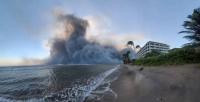
- Destructive earthquakes
- Massive volcanoes
- Catastrophic floods
- Hurricanes and tropical storms
- Tsunami waves
Destructive Earthquakes that Transformed Entire Cities
Earthquakes are among the most destructive natural disasters, causing sudden tremors in the earth's crust that lead to collapsed buildings and displaced populations.
Throughout history, many nations have experienced powerful earthquakes resulting in extensive destruction and significant human casualties, fundamentally reshaping cities after the catastrophe.
Volcanoes and Their Impact on Climate and Life
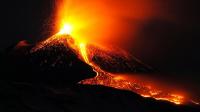
When volcanoes erupt, massive amounts of lava and ash are ejected into the atmosphere, destroying nearby areas and sometimes altering the climate on a wide scale.
Some major volcanic eruptions have even caused temporary global temperature drops due to the sun's rays being obscured.
Floods as One of the Most Widespread Disasters
Floods are one of the most common and impactful natural disasters, occurring due to heavy rainfall or river overflow. These disasters destroy homes and infrastructure, forcing people to evacuate, especially in low-lying areas.
Hurricanes and Tropical Storms
Hurricanes bring intense winds and heavy rains, leading to widespread destruction in coastal areas. They often accompany floods, power outages, and significant economic loss, making them some of the most hazardous weather phenomena.
Devastating Tsunami Waves
Tsunami waves are often generated by underwater earthquakes, where massive volumes of water rapidly move towards land. These waves can inundate entire coastal cities within minutes, causing massive human and material losses.
Conclusion
History’s largest natural disasters highlight the immense power of nature and its deep impact on human life, causing fundamental changes in cities and communities.
With the advancement of science, predicting these disasters and minimizing their effects has become more accurate, yet preparedness remains the key factor in reducing losses.
See Also: