



Many women are searching for foods to avoid during menstruation to alleviate the uncomfortable symptoms that often accompany this period, such as bloating, cramps, fatigue, and mood swings. While diet alone cannot completely eliminate these symptoms, it can play a significant role in either alleviating or exacerbating them.
During menstruation, the body becomes more sensitive to certain foods and drinks that can affect hormonal balance or increase fluid retention and inflammation. Therefore, identifying these foods can help improve comfort and overall health.
Why Do Some Foods Affect Menstrual Symptoms?
Menstrual symptoms arise from natural hormonal changes affecting the uterus, nervous system, and digestive system. Some dietary compounds can further increase inflammation, fluid retention, or digestive disorders.
Furthermore, certain foods can affect energy levels and mood, explaining why some women experience increased fatigue or irritability during this period.
Foods That Increase Bloating and Fluid Retention

High-Salt Foods
These include chips, pickles, canned foods, and ready meals. Excess sodium intake leads to fluid retention in the body, worsening bloating and body heaviness during menstruation.
Processed Foods
Processed meats like sausages, hot dogs, and frozen meals contain high sodium and preservatives. They may also disturb digestion, increasing discomfort during menstruation.
Processed Baked Goods
This includes pizza and pastries made from white flour, cakes, and commercial sweets, which might increase gas, bloating, and digestive issues for some women.
Foods That May Increase Cramps and Menstrual Pain
Certain foods are linked to increased inflammation or affect chemicals responsible for uterine contractions.
Fried and Fatty Foods
Fast foods and fried items have high saturated fat content, which can enhance inflammatory processes in the body, potentially intensifying menstrual cramps and pain.
Excessive Red Meat Consumption
Red meats contain compounds linked to prostaglandin production, natural substances that aid uterine contractions. Thus, overconsumption may heighten cramping and discomfort during menstruation for some women.
Foods Affecting Mood and Energy
Many women experience mood swings and fatigue during menstruation, and certain foods may worsen these symptoms.
Processed Sugars
This includes sweets, cakes, sodas, and commercial desserts. Although they provide a quick energy boost, they can cause a rapid blood sugar increase followed by a sharp decline, leading to more fatigue, nervousness, and mood swings.
High-Calorie Desserts
Overindulging in desserts can increase cravings and result in lethargy, especially if consumed in large amounts during menstruation.
Beverages to Limit During Menstruation
It's not just about food; some drinks may also exacerbate symptoms for some women.
Caffeine
Found in coffee, tea, energy drinks, and some sodas, excessive caffeine intake can heighten tension, nervousness, and sleep disturbances, in addition to potentially increasing cramps and pelvic pain for some women.
Energy Drinks
Energy drinks often contain high caffeine and sugar levels, providing temporary energy followed by increased fatigue and exhaustion.
Spicy Foods and Strong Spices
While some women prefer spicy foods, consuming them excessively during menstruation might not be ideal. Spicy spices can irritate the stomach and increase acidity or nausea for some, exacerbating menstrual-associated digestive issues like bloating and diarrhea.
What to Eat Instead?
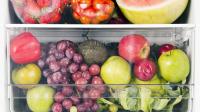
Fresh Vegetables and Fruits
Provide essential vitamins, fiber, and water to the body.
Whole Grains
Offer stable energy and improve digestion.
Fatty Fish
Rich in omega-3 fatty acids that may help reduce inflammation.
Warm Herbal Teas
Like ginger, chamomile, and mint, which aid relaxation and soothe cramps.
Dietary Tips for Easing Menstrual Symptoms
Simple dietary habits can make the menstrual period more comfortable, including:
- Drinking adequate water daily.
- Reducing salt intake.
- Eating balanced, small meals throughout the day.
- Limiting processed sugars.
- Avoiding excessive caffeine.
- Focusing on vitamin and mineral-rich foods.
In conclusion, food choices significantly impact the menstrual experience. Knowing which foods to avoid during menstruation helps reduce bloating, cramps, and mood swings, enhancing overall comfort.
Moreover, replacing processed and fried foods with healthy, balanced options supports the body during this phase, making menstrual symptoms less bothersome and more manageable.
See Also
How many days does a natural menstrual cycle last?