


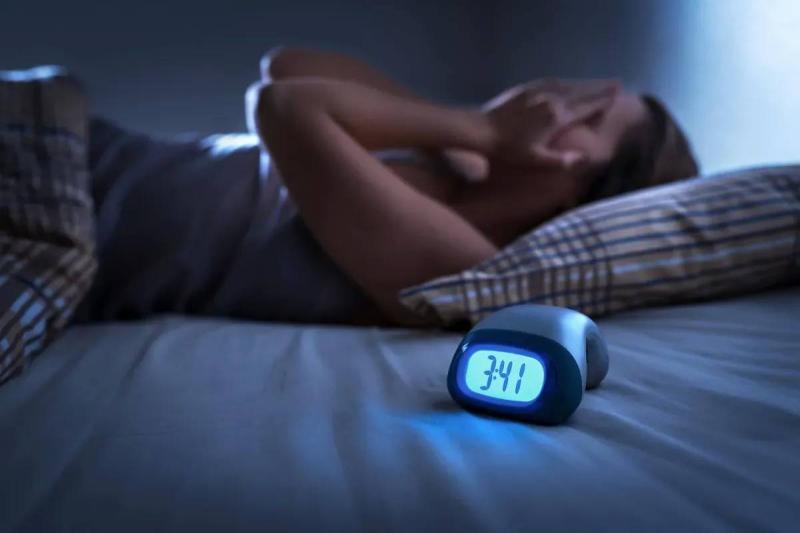
Insomnia is a prominent health concern that captures the interest of many individuals, especially amid increasing life pressures and the growing reliance on modern technology. Insomnia usually manifests as difficulty falling asleep, frequent awakenings during the night, or waking up too early without being able to fall back asleep.
The importance of understanding the causes of insomnia lies in the fact that quality sleep is a fundamental pillar of physical and mental health. Getting adequate sleep helps improve concentration, mood, strengthen the immune system, and support various body functions.
What is Insomnia?
Insomnia is a common sleep disorder that makes it difficult for an individual to fall asleep or stay asleep throughout the night, despite having suitable conditions for rest. Insomnia can be temporary, lasting a few days or weeks due to certain circumstances, or chronic, affecting daily life and overall health when it persists for long periods.
Psychological and Emotional Causes of Insomnia

Chronic Stress and Anxiety
Stress is one of the most common causes of insomnia. When a person is under continuous pressure, the level of cortisol hormone rises in the body, keeping the brain alert and ready. Moreover, daily anxieties can make it difficult for a person to calm their thoughts at bedtime.
Depression and Mood Disorders
Depression is closely linked with sleep problems. It may cause difficulty sleeping for some, while others may wake up very early and be unable to return to sleep. Additionally, various mood disorders can disrupt the natural sleep cycle and reduce its quality.
Overthinking
Persistent thinking about work problems, studies, financial, and family responsibilities activates the brain when it needs to relax. On the other hand, this excessive mental activity can delay falling asleep for long hours.
Lifestyle Habits Causing Insomnia
Often, some daily habits are the main reason for difficulty sleeping.
Using Electronic Screens Before Bed
Smartphones and tablets have become an essential part of daily life, but their use before bed can negatively affect sleep quality. The blue light emitted from screens suppresses the secretion of melatonin, the hormone responsible for regulating the sleep-wake cycle.
Caffeine and Stimulant Consumption
Caffeine is found in coffee, tea, energy, and some soft drinks. Its effects can last for many hours in the body, making sleep more difficult, especially when consumed in the evening or late afternoon.
Irregular Sleep Schedules
Sleeping and waking up at different times each day can disrupt the body's circadian rhythms. Experts recommend maintaining a consistent sleep schedule, even on weekends.
Heavy Meals Before Bed
Heavy and late meals can cause indigestion, acid reflux, or a feeling of fullness, hindering a restful sleep.
Health Problems Linked to Insomnia
Sometimes, insomnia may indicate an underlying health issue that needs diagnosis and treatment.
Chronic Pain
Individuals with arthritis, back pain, or chronic injuries may struggle to find a comfortable position for sleeping. Continuous pain can also lead to frequent nighttime awakenings.
Sleep-Related Breathing Disorders
Obstructive sleep apnea is a prevalent sleep disorder causing repeated breathing interruptions during sleep, leading to frequent awakenings and preventing the deep sleep phases.
Frequent Nighttime Urination
Certain health issues related to the bladder, prostate, or diabetes can cause frequent nighttime urination, disrupting sleep and causing fatigue upon waking.
Hormonal Changes
Hormones play a significant role in sleep regulation. Hence, women may experience sleep disturbances during menstruation, pregnancy, or menopause due to natural hormonal fluctuations.
Drug Impacts on Sleep
Insomnia may be a side effect of some medications used to treat various health conditions. Notable among these medications are:
Some Blood Pressure Medications
Certain types of blood pressure medications may affect sleep quality in some patients.
Asthma Medications
Some respiratory medications can increase alertness or cause difficulty sleeping.
Some Antidepressants
While some antidepressants aid sleep, others may cause insomnia as a side effect.
Environmental Factors Hindering Sleep
Noise and Lighting
Loud noises or bright lighting can disrupt the natural sleep cycle and prevent relaxation.
Unsuitable Temperature
If the room is too hot or too cold, it can affect sleep quality and increase chances of waking during the night.
Uncomfortable Bedding
Using an unsuitable mattress or pillow can lead to neck or back pain affecting sleep comfort.
Signs Indicating Insomnia as a Health Issue
A person might need to consult a doctor if the following symptoms occur frequently:
-Difficulty sleeping most nights.
-Frequent awakenings during the night.
-Feeling tired despite sleeping.
-Daytime drowsiness.
-Reduced concentration and productivity.
-Symptoms lasting for weeks or months.
Tips to Improve Sleep Quality
Simple changes can help reduce insomnia and improve sleep, including:
-Establishing a fixed sleep and wake schedule.
-Reducing screen time before bed.
-Avoiding caffeine in the evening.
-Exercising regularly.
-Creating a quiet and comfortable sleeping environment.
-Avoiding heavy meals before bed.
In conclusion, the causes of insomnia and difficulty sleeping at night vary from psychological factors to daily habits and health and environmental issues. Insomnia may be temporary due to stress or an irregular lifestyle or a sign of a health condition that needs attention.
Understanding the root cause and taking steps to improve sleep habits can significantly help restore rest and achieve deep and healthy sleep, supporting both physical and mental health.
You may also like