


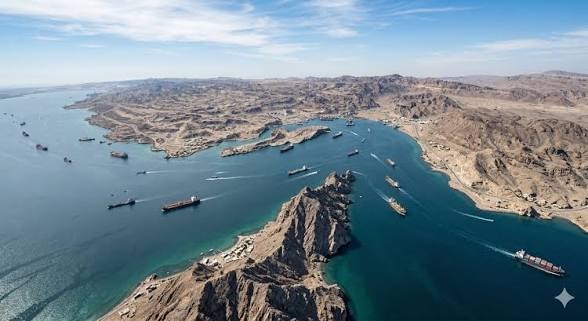
Iranian authorities managing the Strait of Hormuz navigation have announced new regulations governing the transit of commercial vessels. This follows the activation of a memorandum of understanding between the United States and Iran, marking the strategic channel's reopening for international trade.
Under the new guidelines, vessels intending to pass through the strait must submit formal requests at least 48 hours in advance, adhering to approved channels and technical procedures specified by the relevant authorities.
The Iranian authorities confirmed that vessels meeting the conditions would smoothly transition through this interim period, offering a complete waiver of transit fees for 60 days from the memorandum's implementation date, aiming to ease the return of commercial traffic and reassure global markets.
Ships are also required to obtain special transit insurance documents, which remain free during the current stage, though they may be reviewed as part of the strait's permanent management system.
These measures coincide with a notable increase in maritime traffic, as shipping data indicate a resurgence of oil and gas tankers using the strait after weeks of sharp declines due to regional military tensions.
Marine indicators show a rise in vessel numbers compared to previous periods, alongside the resumption of several international carriers' journeys to Asian and Gulf markets, regaining gradual confidence from shipping and insurance companies.
In related developments, Iran has postponed technical meetings with the United States that were scheduled in Switzerland, asserting the current priority is implementing the understanding's preliminary provisions and monitoring adherence before proceeding to final negotiations.
The memorandum outlines a gradual reopening of the Strait of Hormuz, lifting restrictions on Iranian oil exports, and launching 60-day negotiations aimed at achieving a comprehensive agreement addressing pending nuclear, security, and economic issues between the parties.
Observers believe the success of the current transitional phase will be crucial in determining the future of upcoming negotiations, especially given the strategic importance of the Strait of Hormuz, through which a significant portion of global oil and gas exports are transported.