


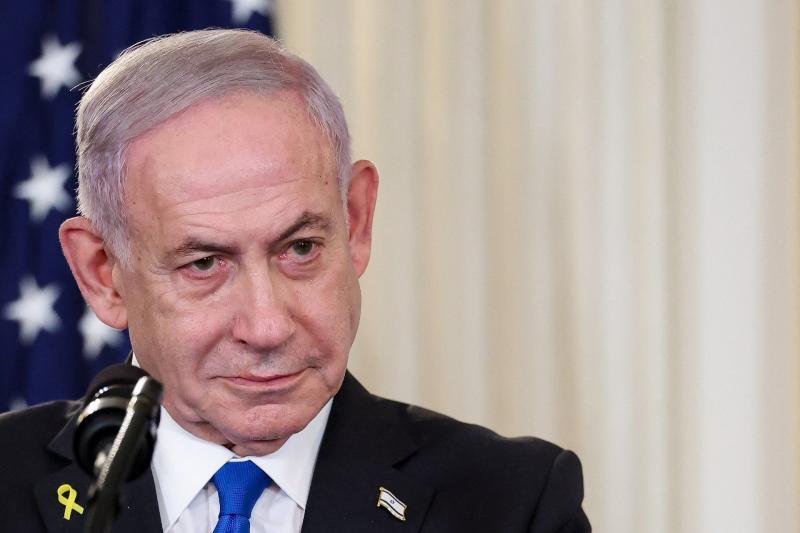
Rising discussions within Israel's Likud party suggest that Prime Minister Benjamin Netanyahu is facing one of the most challenging phases since his return to power. This comes amid increasing political pressure from within his ruling coalition and intertwined challenges on both domestic and international fronts.
According to Israeli media reports, calls for early elections within Likud are growing, driven by fears over the coalition's cohesion and potential political upheavals that could impact the government's future.
These moves reflect growing anxiety within the ruling party regarding what is known as the "day after," especially as disagreements persist over domestic issues, including conscription, religious education, and controversial legislation among coalition parties.
On the security front, the outcomes of the Gaza war continue to spark extensive debate in Israel, with ongoing criticism about the lack of a decisive outcome or a clear political vision for the future, despite prolonged military operations.
Regarding the Lebanese front, while large-scale confrontations with Hezbollah have subsided, Israeli political and security circles still view the strategic goals of the war as unmet, keeping the issue open for internal debate.
In the Iranian file, despite the Israeli government's assertions of significant achievements in recent confrontations, Israeli media has raised questions about the sustainability of these results and their impact on regional balances, particularly after subsequent political and diplomatic developments.
Additionally, Netanyahu's government is grappling with increasing tensions with Donald Trump, as political reports indicate growing discrepancies between Washington and Tel Aviv on several regional issues, sparking fears within Israel of diminished influence over some US decisions in the Middle East.
Observers suggest that Netanyahu is currently facing a multi-dimensional crisis, combining internal party pressures, security challenges, political disagreements, and regional complexities, making the upcoming period one of the most sensitive in his political career.