


Editor's Note:
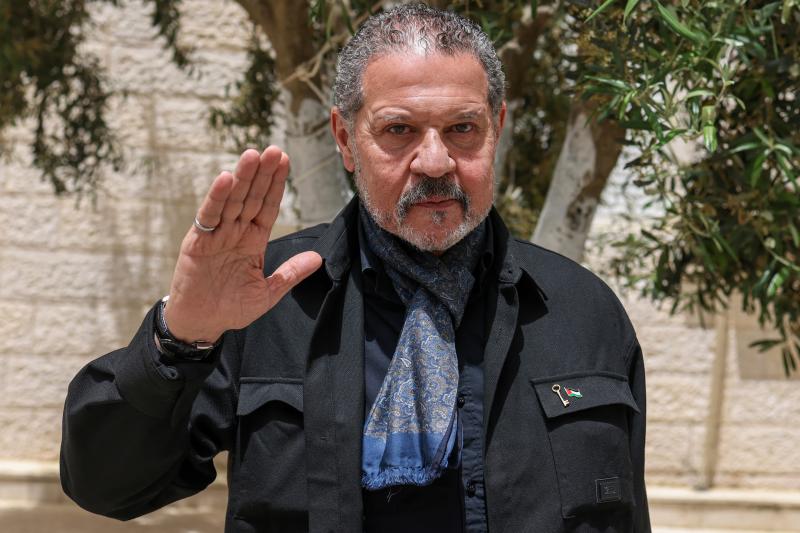
In the closed halls where decisions shape the complex fate of the Middle East, progress is measured not by distance but by the aspirations placed upon it. When born into a family that serves as a historical pillar of the Palestinian cause and shaped by the political acumen of President Mahmoud Abbas, responsibility becomes an inescapable destiny. Yasser Mahmoud Abbas is more than just a name in the Palestinian narrative.
Known as a man of numbers and bridges, he decided, after decades of silent work and building economic successes, to answer the call to organization, stepping into the limelight at one of the most critical moments for Palestinian identity.
Bearing the name "Yasser" in an era when it symbolized a revolution that captured worldwide attention, the second son of "Abu Mazen" grew up in diaspora capitals, absorbing his identity with detail, yet choosing in his youth to retreat to engineering and construction. At Washington State University, he learned to build solid foundations, and in Canada, he honed his skills as a businessman and contractor, excelling in spotting opportunities and managing teams. He turned economic vision into tangible reality across various fields, proving that success can be achieved through personal effort and clear entrepreneurship, far from ready-made shelters.
However, in Palestine, a businessman remains deeply connected to his homeland's concerns. Yasser Abbas has long understood that his family's influence is a duty, not an honor, opting for years to work behind-the-scenes in silent diplomacy. He was the "trusted envoy" in sensitive missions requiring utmost secrecy and sharp insight. From Beirut, where he frequently carried messages of peace and organizational harmony within the camps, to other regional capitals, he emerged as an architect of quiet relations, possessing a unique ability for calm crafting amidst storms.
In May 2026, a new role emerged from current realities. No longer just the adviser accompanying delegations in the background, Yasser Abbas confidently stepped into formal leadership. He earned the trust of Fatah's cadres in the eighth general conference, elected as a member of the movement's Central Committee. This ascent, supported by the ballot box, was not merely a passing transition but an announcement of a new generation ready with institutional mentality and international relations, prepared to shoulder the historical mantle.
His rise at this specific juncture prompts a different interpretation in Ramallah’s lounges and decision-making capitals: How can an engineer who mastered company management and market decryption breathe new life into a historic movement like "Fatah"?
Supporters of his role believe that having a man with his organized, calm demeanor, distant from traditional organizational conflicts, might serve as a stabilizing force and a bridge between the founding generation and the young Palestinian aspirations seeking competence and achievement.
Today, Yasser Abbas sits at the "Central Committee" table, armed with his father's distinguished diplomatic legacy, backed by a wide network of relationships, and a charismatic personality combining the engineer's poise with media depth surrounding his activity. He knows the coming phase demands an institutional vision capable of meeting regional and international challenges. With this overt transition into leadership battling, he seems to offer added value to the movement, benefiting from his extensive experience in interpreting global balances.
Can the engineer and businessman successfully reshape organizational tools to suit the language of the times and the post-major challenges phase?
Only time will reveal the features of a leader who left the secure economic circles to shoulder the weight of the cause and partake in steering the ship amidst the turbulent Middle East seas.