


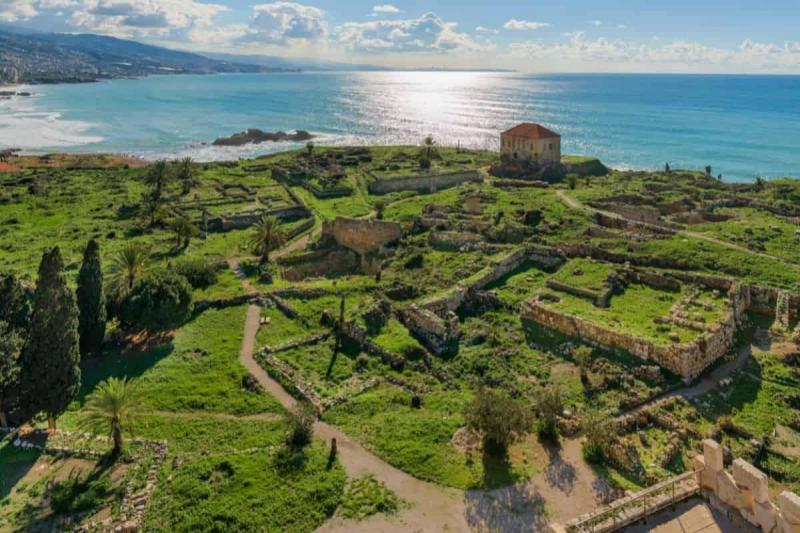
Byblos, a city renowned as one of the oldest continuously inhabited cities in the world, boasts a history spanning over 7,000 years. It has been enriched by successive civilizations, including the Phoenicians, Romans, Byzantines, Arabs, and Crusaders, which have left behind a unique architectural and cultural heritage, making it a prominent tourist destination in Lebanon.
The old city is characterized by its narrow stone-paved streets, traditional markets, and archaeological landmarks that narrate the stories of millennia. Listed as a UNESCO World Heritage site, Byblos attracts visitors worldwide.
Famous Historic Landmarks of Byblos
Byblos Castle
Byblos Castle stands as the city's most visited attraction, built in the 12th century by crusaders using ancient Roman stones. It offers stunning views of the Mediterranean Sea and the old city from its towers and stone walls.
Phoenician Port
The Phoenician port, one of the oldest ports globally, was once a bustling hub for trade ships spreading the Phoenician alphabet and goods across the Mediterranean. Today, it retains its historic charm, with traditional fishing boats lined alongside sea-view restaurants and cafes.
Old Souk of Byblos
The vibrant heart of the city, the Old Souk, features stone-paved alleyways and traditional Lebanese buildings. It hosts various artisan shops, souvenir boutiques, and Lebanese eateries, preserving the region's cultural legacy.
Byblos Archaeological Site
Housing remnants from the Stone Age to the Middle Ages, the site includes Phoenician temples, royal tombs, Roman columns, and relics illustrating the city's evolution over thousands of years, offering a unique glimpse into its storied past.
St. John the Baptist Church
Built during the Crusader era, this church is a key religious landmark boasting distinctive Romanesque architecture and unique sandstone construction. It hosts numerous religious and cultural events, making it a staple in historical tours of Byblos.
Byblos Archaeological Museum
Located within the archaeological site, the museum features artifacts uncovered during excavations, including statues, pottery, and tools, alongside panels documenting the city's developmental history.
Ancient Walls
Surrounding Byblos are remnants of ancient walls that once played a crucial defensive role. Today, some sections are still standing, offering a glimpse of the military architecture that characterized the city in antiquity.
Why Visit Byblos?
Byblos captivates visitors with:
- A history spanning over 7,000 years.
- UNESCO-listed archaeological landmarks.
- One of the world's oldest Phoenician ports.
- Cultural markets filled with traditional crafts.
- Restaurants and cafes with stunning sea views.
- The ability to explore many attractions on foot.
Best Time to Visit Byblos' Historic Sites
Spring and fall offer the most pleasant climate for exploring Byblos, with mild temperatures ideal for wandering the ancient sites and old markets. Mornings or late afternoons are perfect for enjoying the natural scenery and capturing beautiful photographs.
Conclusion
A tour of Byblos' historic landmarks offers an exceptional journey through the civilizations that shaped this ancient city's identity. Whether you're passionate about history or drawn to cultural atmospheres and coastal beauty, Byblos promises a complete travel experience combining culture, heritage, and nature.