


When discussing the best historical cities in Lebanon, we're not just talking about separate archaeological sites. Instead, these are entire cities that still bear the marks of civilizations that have traversed this small yet memory-rich nation.
The historical cities in Lebanon offer more than a fleeting tourist experience. They provide visitors a chance to understand how the region's identity was shaped over thousands of years. There are cities that flourished as Phoenician ports and maritime trade hubs, others that became religious and political centers, and some that have preserved Islamic, Roman, and Eastern architectural features.
Why Are Lebanon's Historical Cities Exceptional Destinations?
What sets Lebanon apart is the proximity between cities and the diversity of civilizations within a limited geographic area. Visitors can start their day in the old markets of Byblos and its harbor, then move to Sidon or Tyre to witness the features of Phoenician coastal cities, and later head to Baalbek or Anjar to discover the Bekaa Valley's ruins and massive temples.
Additionally, some historical cities are vibrant with daily life and not just closed sites for tourism. The traditional markets of Tripoli, Sidon, and Byblos still retain their popular and commercial presence. Meanwhile, Deir al-Qamar offers a different experience with its mountainous character, stone houses, and serene squares.
The Best Historical Cities in Lebanon
1. Byblos: From Phoenician Coast to Modern Memory
Byblos, also known as Jbeil, is one of Lebanon's most prominent historical cities. Often referred to as one of the oldest continuously inhabited cities in the world, it lies on the Lebanese coast, combining the ancient harbor, traditional markets, and historic castle, making it an ideal destination for those wishing to explore the roots of Phoenician civilization in a tranquil seaside atmosphere.
Prominent landmarks include its Crusader-Greek fortress, the archaeological site museum, and the old harbor that gives Byblos a distinct maritime identity. Furthermore, the ancient markets in Byblos serve as more than just tourist walkways; they are bustling with restaurants, cafes, crafts, and memories, offering a holistic experience of history blended with modern life.
2. Tyre: Lady of the Seas and Bride of the South
Tyre holds a special place among Phoenician cities, having been a prominent maritime city linked to trade and seafaring prowess, historically known as the Lady of the Seas, and often viewed as the Bride of the South due to its coastal position, natural beauty, and deep archaeological roots.
Tyre houses important ancient sites, notably the grand Roman theater, Al-Bass Archaeological Site, the triumphal arch, Roman baths, and centuries-old marine relics. The city offers a unique visitor experience by merging beachside relaxation with historical exploration, rendering it a key stop on any Lebanese historical tour.
3. Sidon: City of Trade and Maritime Fortresses
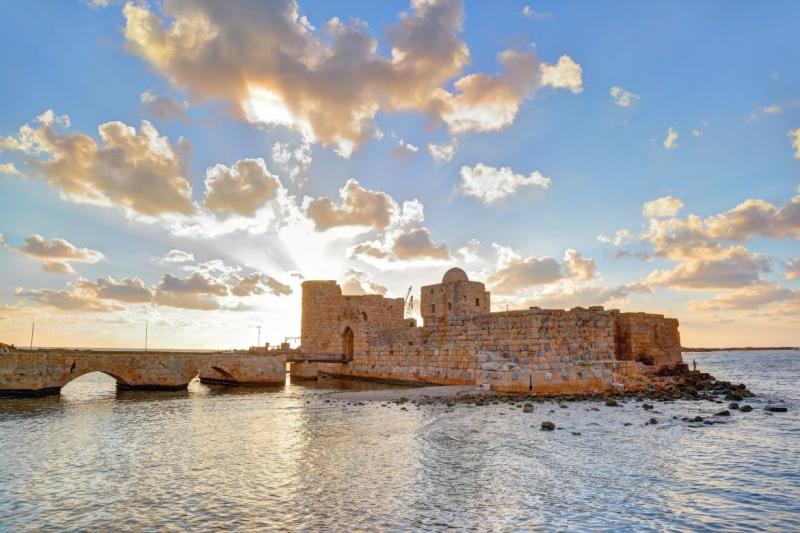
The coastal city of Sidon has played a significant commercial role since Phoenician times and continues to maintain the spirit of its old markets, port, and traditional heritage. The Sidon Sea Castle is one of its most iconic landmarks, standing on a small island off the coast, providing an unforgettable visual spectacle for the city.
In addition to the castle, Sidon is known for Khan al-Franj and its covered old markets, reflecting the city’s commercial and artisanal character. However, Sidon is not merely an archaeological city; it's a lively one where residents move between shops, bakeries, and local cafes, making it a visit that's both genuine and connected to everyday life.
4. Baalbek: City of the Sun and Pillars of History
Discussing Lebanon's top historical cities wouldn't be complete without mentioning Baalbek, the historic City of the Sun in the Bekaa Valley. It's among the region's most magnificent archaeological sites, famed for its colossal Roman temples, showcasing exceptional architectural standards still admired today.
Baalbek features the famous Temple of Jupiter with its towering six columns and the Temple of Bacchus, one of the world's best-preserved Roman temples. Visitors feel a sense of awe amidst the enormous stones, expansive courtyards, and towering columns, as if history is not just read, but witnessed in its entirety.
5. Anjar: The Umayyad City with Symmetrical Layout
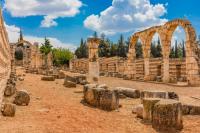
Anjar, located in central Bekaa, is a unique archaeological site representing an important model of Umayyad architecture. Unlike many cities where civilizations layered over time, Anjar stands out with its clear urban planning, displaying geometric order in its streets, markets, and remains of palaces and baths.
Anjar features remnants of ancient shops, the grand palace, and baths, with Roman planning influences visible within its Umayyad architectural framework. Thus, it’s a key choice for those interested in seeing a different phase of Lebanon's history beyond the typical coastal Phoenician and Roman influences.
6. Tripoli: A Living Museum of Mamluk Architecture
Tripoli, the capital of the North and Lebanon's second-largest city, is among the richest Lebanese cities in Islamic and Mamluk architecture. The city is famous for Raymond de Saint-Gilles’ massive citadel, along with old markets, baths, schools, and mosques reflecting significant phases of its political and commercial history.
Tripoli's heritage remains an integral part of daily life; artisanal markets are lively, the smells, sounds, and activity within the old city lend visitors the sense of navigating a living history rather than a silent museum. Moreover, Tripoli is a key destination for photography, architecture, and local cuisine enthusiasts.
7. Deir al-Qamar: Mountain Capital and Memory of the Emirate
Deir al-Qamar is a historic village in Mount Lebanon that once served as the capital of the Maanid Emirate. It boasts a unique architectural style combining red-tiled stone houses, narrow paths, and peaceful squares. Deir al-Qamar offers a different setting from coastal cities, presenting a mountainous heritage scene linked to the history of local rule and old political families in Lebanon.
Key attractions include the palace of Emir Fakhreddine II, the Saray of Emir Youssef Shihab, and the traditional houses that bestow the town with its unique identity. Its tranquil atmosphere also makes it a fitting retreat for those looking to escape the bustle of coastal cities and explore another facet of Lebanese history.
In conclusion, visiting these cities does not merely entail viewing ancient ruins; it involves stepping into a long narrative shaped by sea, mountain, and plain. Visitors who appreciate history will find that each Lebanese city holds a unique signature, with its true beauty lying in not just the diversity of its nature but its ability to encapsulate thousands of years within a single short journey.
Also see
Famous Historical Landmarks of Byblos