


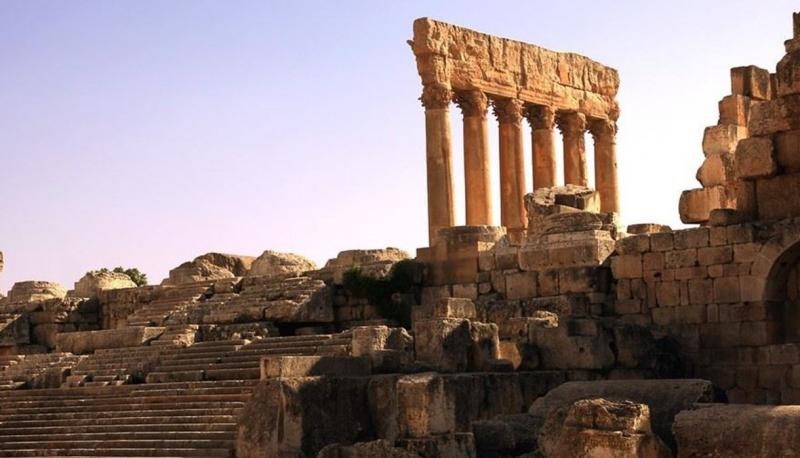
Baalbek is located in a sensitive area that is directly affected by security developments in Lebanon and the region. It is not just any ordinary city; Baalbek is home to one of the most important archaeological sites in the world, often attracting history buffs and lovers of Roman temples. However, the city is within the Baalbek-Hermel governorate, which several governments have marked as areas with high travel warnings or travel avoidance zones.
Currently, visiting Baalbek as a tourist requires extreme caution and daily assessment of the situation. The official UK travel advisories advise against travel to the Baalbek-Hermel governorate and the Bekaa region, while the United States classifies Lebanon generally as a 'do not travel' level due to risks such as unrest, crime, kidnapping, landmines, and armed conflict.
Why is Baalbek Still an Important Destination Despite the Risks?
Historically, Baalbek is one of the foremost tourist destinations in Lebanon, renowned for its massive Roman temples, particularly the Temple of Jupiter and the Temple of Bacchus. These landmarks make the city a key stop for both foreign and Arab tourists interested in history, ancient architecture, and photography.
Furthermore, Baalbek was once associated with famous international festivals that brought cultural and tourist life during the summer. Yet today, the tourist aspect cannot be separated from the security realities, as the area is susceptible to regional conflicts and internal tensions, thus impacting the flow of tourism, which has become limited and erratic.
Current Security Risks in Baalbek
The primary risks include potential airstrikes related to regional escalation and nearby military or security activity. Australian travel advice indicates that the Baalbek-Hermel governorate is among areas advised against travel due to clashes between armed groups and risks of airstrikes and sporadic violence.
On another note, Canadian warnings indicate the presence of landmines and unexploded ordnance in parts of Lebanon, including the northeastern border zones in the Bekaa and Baalbek-Hermel provinces, along with armed groups in the Bekaa Valley and other areas with unofficial checkpoints and instability.
Impact of the Situation on Tourism and Services
Due to these conditions, tourism has significantly declined in Baalbek, especially among foreign visitors and organized tour groups. Tour companies generally avoid including the city in standard itineraries during heightened warnings, fearing sudden changes in the situation that may lead to road closures, travel delays, or unforeseen risks.
Moreover, major cultural events have suffered. The official website of the Baalbek International Festivals shows the 2026 edition has been postponed, indicating that the city’s cultural and tourism activities are experiencing a sensitive period. Consequently, this decline is reflected among nearby hotels, restaurants, and shops, which now rely more on local visitors or short trips during calm periods.
Can Baalbek Be Visited Currently?
The most realistic answer is that visiting Baalbek for tourism is currently not advisable, particularly for foreign tourists or those unfamiliar with the region. Although some days may be calm, the main issue lies in how quickly the situation can change and the potential for escalation without sufficient warning. Official advisories do not perceive the city merely as an archaeological site but as part of a larger area with interconnected security risks.
On the other hand, some individuals may need to visit for family, religious, or business reasons. In that case, risks must be minimized as much as possible, and visits should not be treated as ordinary tourist trips but rather as limited and planned activities relying on updated information from trusted local sources and official warnings.
Essential Tips if Visiting is Necessary
Before considering a visit to Baalbek, check your home country’s foreign office warnings, as some governments may regard travel to the region as against official advice, affecting insurance, embassy services, and consular assistance. The British advice notes that consular support is very limited in areas where travel is officially discouraged.
Additionally, solo or random movements are not recommended. It is better to rely on trusted locals or a knowledgeable tour company with firsthand field experience. Moreover, avoid night travel, bypassing main routes, and approaching any military sites, political gatherings, or tension areas.
Ultimately, if the visit is not necessary, postponing it until conditions improve and tourism activity resumes normally is advisable. If the visit is essential, it should be short, well-planned, and based on updated information from official and local trustworthy sources. Successful tourism depends not only on the beauty of the place but also on the timing of the visit and the availability of basic safety conditions.