


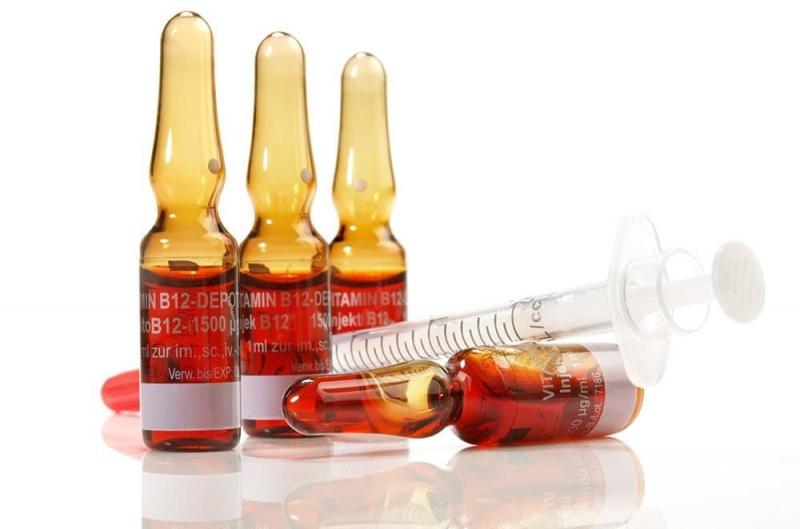
Vitamin B12 is a crucial element needed by the body for red blood cell formation, nerve health, and energy production. For those experiencing a deficiency, healthcare providers might recommend Vitamin B12 injections or oral pills, depending on the deficiency's cause and severity.
Many wonder when Vitamin B12 injections start to take effect and if they are more effective than pills. The answer varies based on the deficiency's degree, health condition, and body response. Generally, injections offer quicker results, especially in severe deficiency cases or absorption issues.
When Does Vitamin B12 Injection Take Effect?
The body begins to benefit from Vitamin B12 injections shortly after administration, but the improvement feeling varies among individuals.
In general:
- Some might feel an increase in vitality and energy within days to a week.
- Neurological symptoms may gradually improve over several weeks.
- Correcting anemia due to Vitamin B12 deficiency typically takes several weeks, with continuous medical supervision and necessary tests.
Complete recovery might take longer, especially if the deficiency was severe or prolonged before treatment.
Factors Influencing the Speed of Improvement
Several factors affect treatment results, including:
- Severity of Vitamin B12 deficiency.
- The deficiency cause, such as malabsorption or dietary insufficiency.
- Age and overall health status.
- Adherence to the treatment plan.
- Presence of chronic conditions affecting nutrient absorption.
Difference Between Vitamin B12 Injections and Pills
Vitamin B12 Injections
These are injected intramuscularly or as directed by a physician, delivering the vitamin directly to the body without digestive absorption reliance.
Benefits:
- Suitable for severe cases.
- Effective for absorption issues.
- May lead to faster improvement in some situations.
- Administered under medical supervision.
Vitamin B12 Pills
Pills are used for mild to moderate deficiency cases and can be effective if taken in appropriate doses.
Benefits:
- Easy to use.
- No need for injections.
- Suitable for long-term treatment in some cases.
- Effective if absorption is not an issue.
When Do Doctors Prefer Injections?
Doctors may recommend Vitamin B12 injections in cases of:
- Severe vitamin deficiency.
- Neurological symptoms.
- Anemia due to Vitamin B12 deficiency.
- Absorption disorders such as pernicious anemia or certain gastrointestinal diseases.
- After surgeries affecting vitamin absorption.
Symptoms of Vitamin B12 Deficiency
Vitamin B12 deficiency can lead to various symptoms, including:
- Fatigue and exhaustion.
- Pale skin.
- Shortness of breath.
- Dizziness.
- Numbness or tingling in the hands and feet.
- Concentration or memory issues.
- Balance problems in some cases.
Natural Sources of Vitamin B12
Vitamin B12 is naturally found in:
- Red meat.
- Liver.
- Fish.
- Chicken.
- Eggs.
- Milk and derivatives.
- Fortified foods.
Can Pills Replace Injections?
In many cases, pills can be effective if there’s no absorption issue. However, injections might be more suitable for deficiency due to absorption problems or severe symptoms, as per a doctor's evaluation.
Tips During Vitamin B12 Deficiency Treatment
To achieve optimal results, it’s advised to:
- Stick to the treatment schedule prescribed by the physician.
- Perform periodic tests to monitor Vitamin B12 levels.
- Maintain a balanced diet rich in natural vitamin sources.
- Consult with a doctor before discontinuing treatment.
- Notify the doctor if symptoms persist or new ones arise.
Conclusion
The effect of Vitamin B12 injections depends on deficiency severity and body response. Many patients notice improvements within days to weeks. Injections are a vital choice for severe deficiency or absorption issues, while pills might be effective in other cases. Choosing the appropriate treatment depends on medical assessment and test results.
See Also Symptoms of Vitamin D Deficiency in Women Vitamin B12 Deficiency and Numbness The Relationship Between Vitamin D and Bone Health