



Amoebic intestinal infections, including amebiasis, are common health issues among children in many regions, particularly those with inadequate hygiene standards or unhealthy water and food practices.
These infections often spread through consumption of contaminated food or water or contact with unclean hands. Children's daily behaviors make them more susceptible to such infections.
While many cases of amebiasis are mild and treatable, ignoring symptoms or delayed diagnosis can lead to complications affecting the digestive system and overall child health. Therefore, early understanding of causes and treatment routes is crucial for prevention.
What is Amebiasis in Children?
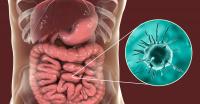
Amebiasis is a parasitic infection affecting the intestines, usually caused by the parasite Entamoeba histolytica.
These parasites live in the digestive system and can cause inflammations leading to diarrhea, cramps, and various digestive symptoms, with severity ranging from mild to severe.
Causes of Amebiasis in Children
Consumption of Contaminated Food
Unwashed or contaminated food, especially vegetables and fruits not properly cleaned, is a major cause of amebiasis.
Drinking Unsafe Water
Unsafe or contaminated water is a common source of infection, especially in areas lacking effective purification systems.
Poor Personal Hygiene
Not washing hands after using the toilet or before eating increases the risk of parasite transfer.
Direct Contact with Infected Individuals
Infection can spread through direct contact with an infected person if hygiene is not maintained, particularly among children in schools or daycare centers.
Symptoms of Amebiasis in Children
Symptoms vary based on the severity of infection and may include:

- Diarrhea, sometimes with blood
- Abdominal pain and cramps
- Loss of appetite
- General fatigue and exhaustion
- Occasionally, a slight fever
In some cases, the infection might be mild without clear symptoms, making diagnosis more challenging.
Treatment Methods for Amebiasis in Children
Treatment depends on the health condition and infection severity, often involving anti-parasitic medications prescribed by a doctor.
Medication Treatment
Anti-amebic drugs are used to eliminate the parasite in the intestines. Adhering strictly to the dosage and duration prescribed by the doctor is essential.
Fluid Replacement
In cases of diarrhea, it's important to replace fluids and salts to prevent dehydration, especially in children.
Proper Nutrition
Providing light and easily digestible foods during treatment is recommended, avoiding fatty or stomach-irritating foods.
See Also:
Benefits of Omega 3 for Children Symptoms of Dehydration in Children and Adults and How to Treat It Famous Children's Songs in Lebanon