


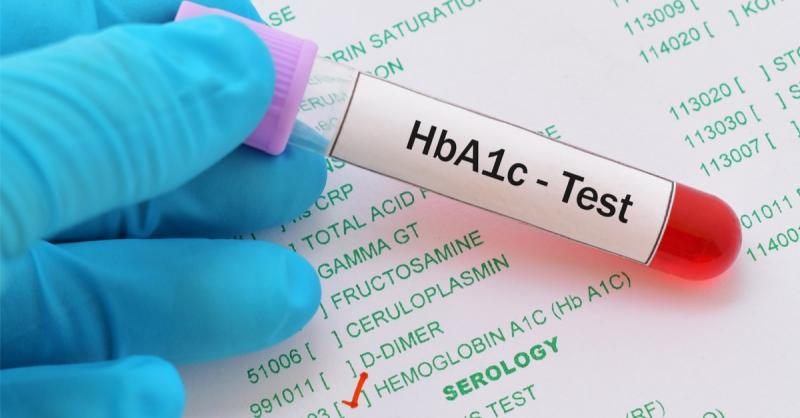
HbA1c, commonly known as glycated hemoglobin, is a crucial test for assessing long-term blood sugar control in people with diabetes. Unlike daily blood sugar measurements, HbA1c provides an average of blood sugar levels over approximately three months, making it a vital indicator of overall health stability.
Individuals with diabetes or those at risk often seek effective ways to lower their HbA1c to reduce the risk of complications such as heart, kidney, and nerve diseases. The good news is that this can be achieved by committing to a structured plan involving lifestyle changes and medical treatment.
How to Lower HbA1c?
1. Reduce Refined Carbohydrates
Limiting the intake of white sugar, white bread, and pastries can directly reduce blood sugar spikes, gradually lowering HbA1c levels.
2. Consume Low Glycemic Index Foods
Foods like oats, legumes, and vegetables help increase blood sugar levels gradually rather than suddenly, improving overall control.
3. Increase Physical Activity
Exercises such as brisk walking, swimming, or cycling help muscles use glucose more effectively, reducing blood sugar levels.
4. Lose Excess Weight
Even modest weight loss can significantly improve HbA1c, especially in overweight individuals.
5. Adhere to Medication
Taking diabetes medications or insulin as prescribed by a doctor plays a crucial role in maintaining stable blood sugar levels.
6. Reduce Stress
Stress increases hormones that raise blood sugar levels. Relaxation techniques like deep breathing or meditation can help improve control.
7. Regular Blood Sugar Monitoring
Daily monitoring helps understand the impact of food and activity on the body, facilitating dietary and treatment adjustments.
8. Improve Sleep Quality
Inadequate or disturbed sleep can raise blood sugar levels, so regular sleep patterns aid in better disease control.
How Long Does It Take to Lower HbA1c?
Generally, it takes approximately 8 to 12 weeks to see a noticeable improvement in HbA1c levels, as it reflects the average blood sugar during this period. Therefore, lifestyle changes need time for their effects to appear in tests.
When to Consult a Doctor?
Consult a doctor if HbA1c levels remain significantly high or do not improve despite adherence to dietary and medication regimens, as adjustments or additional tests may be necessary.
Related Links:
Psychological Symptoms of Vitamin D DeficiencyPsychological Symptoms of Vitamin B12 DeficiencyTop 10 Common Causes of Persistent Fatigue