


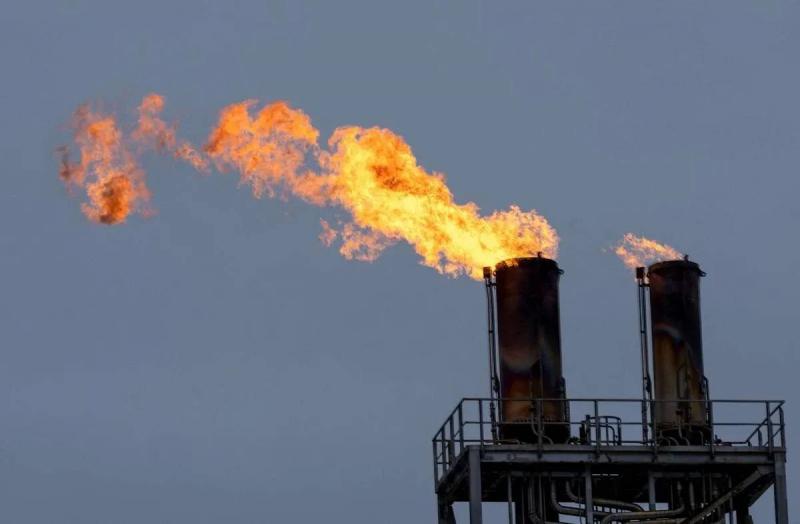
Natural gas is one of the world’s most critical energy sources, used in generating electricity, powering industries, heating, and various chemical processes. As the global demand for cleaner energy sources grows compared to coal and oil, natural gas has become a fundamental component of energy plans for many nations.
The largest natural gas reserves are concentrated in a limited number of countries that possess massive fields, granting them significant influence over the global energy market. The countries with the largest reserves differ from the largest producers or exporters, as a nation might have substantial reserves but not produce all its available quantities.
Leading Countries with the Largest Natural Gas Reserves
1. Russia
Russia tops the list of countries with the largest natural gas reserves in the world, with reserves estimated at over 45 trillion cubic meters. Most of Russia’s reserves are located in Siberia, and the country has an extensive pipeline network linking it to multiple markets.
2. Iran
Iran holds the second-largest natural gas reserves globally, possessing more than 30 trillion cubic meters. Iran shares the South Pars gas field with Qatar, one of the largest natural gas fields in the world.
3. Qatar
Qatar possesses substantial natural gas reserves exceeding 23 trillion cubic meters and is among the leading global producers and exporters of liquefied natural gas (LNG). Qatar leverages the giant North Field, which underpins its gas industry, making it one of the largest LNG exporters to global markets.
4. United States
The United States has large reserves of natural gas exceeding 16 trillion cubic meters. It boasts considerable production capacity, primarily due to shale gas extraction techniques, which make it one of the world’s largest natural gas producers.
5. Turkmenistan
Turkmenistan ranks highly globally for its reserves, exceeding 13 trillion cubic meters. The South Yolotan field is one of the largest globally, and the country is working to boost its exports, especially towards Asian markets.
6. China
China holds significant natural gas reserves estimated at more than 8 trillion cubic meters. Despite its large resources, high domestic demand makes it one of the largest natural gas importers worldwide.
7. Venezuela
Venezuela’s natural gas reserves are substantial, exceeding 5 trillion cubic meters, primarily found offshore and onshore. However, actual production is lower due to economic and investment challenges.
8. Saudi Arabia
Saudi Arabia has considerable natural gas reserves estimated at over 9 trillion cubic meters. The kingdom is developing its gas sector as part of plans to diversify energy sources and increase gas use in power generation and industries.
9. United Arab Emirates
The UAE is a major holder of natural gas reserves in the Gulf region, primarily centered in emirates like Abu Dhabi. The nation is developing projects to boost gas production and meet local and industrial demand.
10. Nigeria
Nigeria has the largest natural gas reserves in Africa, estimated at more than 5 trillion cubic meters. It is striving to enhance its role in the LNG market and capitalize on its resources to bolster the local economy.
Difference Between Gas Reserves and Gas Production
There can be confusion between countries with the largest natural gas reserves and those with the highest production. Reserves refer to the quantity of gas available for economic extraction, while production denotes the amount extracted and used or exported within a specific timeframe. Therefore, some countries may lead in reserves while others lead in production due to their advanced infrastructure and extraction capabilities.
The Importance of Owning Natural Gas Reserves
Nations with large natural gas reserves gain numerous advantages, such as:
- Enhancing energy security.
- Providing a critical source of national income.
- Supporting local industries.
- Increasing economic and political influence.
- Attracting foreign investments in the energy sector.
Conclusion
Russia leads in the possession of natural gas reserves globally, followed by Iran, Qatar, the United States, and Turkmenistan. These reserves are a significant strategic asset in the global energy market, granting the hosting countries substantial influence over energy supplies and the global economy.
See Also:
Top 5 Products Lebanon Exports to the World