



The old city of Tripoli in Lebanon is a treasure trove of heritage, featuring a vast network of markets dating back to the Mamluk and Ottoman eras.
These markets retain their historical charm, where traditional shops sit alongside old inns, baths, and mosques, reflecting the city's rich commercial and cultural history.
Distinctively, each market in Tripoli was historically specialized in a particular craft or trade, lending them names based on these professions, such as the perfumers, coppersmiths, and jewelers, offering visitors a unique experience merging shopping with the exploration of genuine Lebanese heritage.
Famous Historic Markets in Tripoli
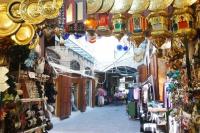
Al-Bazarkan Market
Al-Bazarkan Market is one of the most renowned historic markets in Tripoli, dating back to the Mamluk period. It features a variety of shops selling fabrics, gifts, and traditional products, making it an ideal starting point for exploring the old city.
Souk Al-Attarine
Known historically for selling medicinal herbs, spices, perfumes, and natural oils, this market still retains its traditional atmosphere and distinctive scents that attract visitors from all over.
Al-Haraj Market
Distinguished among Tripoli's historic markets, it is known for its covered corridors and ancient stone columns. Once a trading hub, it is now famous for selling furniture, carpets, and various traditional products.
Gold Souk
If you are looking for jewelry and gold crafts, the Gold Souk stands out as one of the most famous in the old city, with its jewelry shops in operation for decades.
Wheat Market
Once a center for grain and agricultural goods, this market remains an essential part of Tripoli's historic fabric, with a variety of shops around it.
Broad Market
A significant historic passage within the old city, it connects various markets, inns, and historical sites, marked by its vibrant atmosphere and heritage buildings.
What Can You Buy from Tripoli's Old Markets?
The old markets are known for their diverse range of products, including:
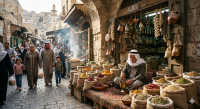
-Traditional Tripolitan soap made from olive oil.
-Spices and natural herbs.
-Traditional Tripolitan sweets.
-Copperware and metal crafts.
-Gold jewelry.
-Traditional fabrics and clothing.
-Souvenirs and handicrafts.
Nearby Landmarks to Visit
Combine your market visit with exploring several nearby historical sites, like:
-Tripoli Citadel.
-The Great Mansouri Mosque.
-Soap Khan.
-Old Mamluk baths.
-Historical inns scattered throughout the old city.
The Best Time to Visit Tripoli's Markets
It's recommended to visit the markets in the morning or afternoon when most shops are open, and commercial activity is at its peak. Exploring on regular days allows you to enjoy the traditional ambiance away from large crowds.
See Also: