



During pregnancy, women need a variety of vitamins and minerals to support their own health and the health of their developing baby. Vitamin A is one of the essential nutrients that plays a crucial role in organ growth, eye development, and immune system support.
However, caution is needed with this vitamin, as high doses can be harmful during pregnancy.
The key difference is that obtaining vitamin A from natural foods is often safe within a balanced diet, while high doses from vitamin A supplements or some derivatives may pose a risk to fetal development. Therefore, it's always advised to consult a doctor before taking any supplements during pregnancy.
Is Vitamin A Safe During Pregnancy?
Yes, vitamin A is safe during pregnancy when consumed in appropriate amounts needed by the body. It is essential for maintaining maternal health and supporting fetal growth.
The problem arises with high intakes of a particular type of vitamin A, especially preformed vitamin A (Retinol) found in some supplements and animal products, as high doses of it have been associated with an increased risk of issues in fetal development.
In contrast, beta-carotene, the plant-based form found in vegetables and fruits, is considered safer because the body converts only the required amount into vitamin A.
Importance of Vitamin A During Pregnancy
Vitamin A performs several important roles during pregnancy, including:
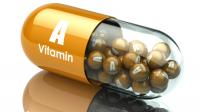
Supporting Fetal Growth
Vitamin A contributes to the development of the fetus's organs, including the heart, lungs, eyes, and nervous system.
Enhancing Eye Health
Vitamin A is crucial for vision development and maintaining the health of eye tissues for both the mother and the fetus.
Strengthening the Immune System
Vitamin A helps support maternal immunity and aids in the development of the fetal immune system.
Maintaining Skin and Tissue Health
Vitamin A supports cell growth and regeneration, helping to maintain the health of skin and various body tissues.
What Is the Right Amount of Vitamin A for Pregnant Women?
Pregnant women generally require about 770 micrograms of vitamin A per day. Lactating women need higher amounts.
Needs can vary based on age and health status, so high-dose vitamin A supplements should not be taken unless medically advised.
Risks of Excess Vitamin A During Pregnancy
Excessive vitamin A intake, especially from supplements, can pose some risks, the most notable being:
Increased Risk of Fetal Abnormalities
High doses of preformed vitamin A are among the most warned against during pregnancy, as they can affect fetal growth and increase the likelihood of congenital defects.
Health Effects on the Mother
Excessive intake of supplements can lead to vitamin accumulation in the body since it is a fat-soluble vitamin that is stored.
Best Safe Sources of Vitamin A for Pregnant Women
Pregnant women can meet their needs through vitamin A-rich foods such as:

Plant Sources Rich in Beta-Carotene
- Carrots.
- Sweet potatoes.
- Spinach.
- Pumpkin.
- Red peppers.
- Apricots.
Animal Sources Containing Vitamin A
- Eggs.
- Milk and dairy products.
- Meat.
- Fish.
It is preferable to be cautious about large amounts of liver intake during pregnancy, as it contains very high levels of preformed vitamin A.
Are Vitamin A Creams Safe During Pregnancy?
Vitamin A derivatives like retinol are used in many skincare products, but it's generally advised to avoid using strong retinoid products during pregnancy unless recommended by a doctor.
Using skincare products with mild derivatives or low concentrations should be discussed with an obstetrician or dermatologist to ensure suitability.
When Should You Consult a Doctor?
It is advisable to consult a doctor before taking any vitamin A supplements during pregnancy, especially if the woman:
- Is taking multivitamin supplements.
- Is using skin treatments containing vitamin A derivatives.
- Has a diet rich in liver or high vitamin A sources.
- Suffers from diseases affecting vitamin absorption.
Conclusion
Vitamin A is an important and safe element during pregnancy when obtained in the appropriate amounts; it supports fetal growth and maternal health. However, excessive intake, especially from high-dose preformed vitamin A supplements, may pose risks to the fetus.
Therefore, getting it from a balanced diet and adhering to medical guidance is the best way to ensure the safety of the mother and child.
Also See:
Best Foods to Treat Vitamin A Deficiency