



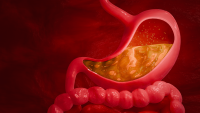
Heartburn occurs when some of the acidic contents from the stomach return to the esophagus, which is the tube that carries food from the mouth to the stomach. Due to the sensitive nature of the esophageal lining, this reflux can cause a burning sensation or discomfort behind the breastbone.
Heartburn is not always associated with serious illness and may appear after consuming certain foods or due to temporary lifestyle changes. Continuous recurrence, however, may indicate a condition such as gastroesophageal reflux disease (GERD).
What Causes Heartburn?
There are multiple factors that may lead to heartburn, varying from person to person based on dietary habits and health conditions.
Gastroesophageal Reflux Disease (GERD)
GERD is a common cause of heartburn, occurring when the muscle between the stomach and esophagus doesn’t function properly, allowing stomach acids to flow back up.
Repeated reflux can irritate the esophageal lining, leading to symptoms like acidity and a sour taste in the mouth.
Consuming Trigger Foods
Certain foods and drinks increase the likelihood of heartburn for some people, including:
- Fatty and fried foods.
- Spicy foods.
- Chocolate.
- Citrus fruits.
- Tomatoes and tomato-based products.
- Caffeinated beverages.
These foods do not affect everyone in the same way, as triggers vary between individuals.
Eating Large Meals or Eating Quickly
Large food portions can increase stomach pressure, raising the chances of acid reflux.
Eating quickly and not chewing food thoroughly can also contribute to digestive disorders for some individuals.
Lying Down After Eating
Lying down immediately after eating can increase the risk of heartburn, as body positioning may facilitate the upward movement of stomach contents.
It is advisable to wait for a reasonable period after eating before lying down or going to bed.
Obesity
Excess weight, especially abdominal fat accumulation, can increase pressure on the stomach, which may contribute to reflux and heartburn symptoms.
Pregnancy
Heartburn is a common symptom during pregnancy, particularly in the later stages, due to hormonal changes and increased pressure from the uterus on the stomach.
Smoking
Smoking may affect the function of the muscle between the stomach and esophagus, increasing the probability of reflux and heartburn sensations.
Stress and Tension
Stress can heighten digestive system sensitivity or influence eating habits, potentially increasing acidity symptoms for some individuals.
Some Medications
Certain medications can irritate the stomach or increase the likelihood of heartburn, such as some pain relievers or drugs that affect the digestive system.
It is advisable to consult a doctor if heartburn is observed to be associated with the use of a specific medication.
What Are the Symptoms of Heartburn?
Heartburn may present as:
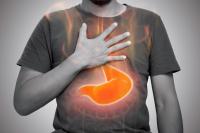
- A burning sensation behind the breastbone.
- A sour or bitter taste in the mouth.
- Frequent burping.
- A feeling of fullness or discomfort after eating.
- Increased symptoms when lying down.
How to Reduce Heartburn?
Heartburn relief can be aided by lifestyle changes, such as:
- Eating smaller meals throughout the day.
- Avoiding foods that trigger symptoms.
- Not lying down immediately after eating.
- Maintaining a healthy weight.
- Reducing smoking.
Elevating the upper body slightly while sleeping when necessary.
See Also:
What is the Quickest Way to Treat IBS? Immediate Pain Relief
Herbal Cholesterol Treatment
What Happens to Your Body When You Stop Eating Bread