


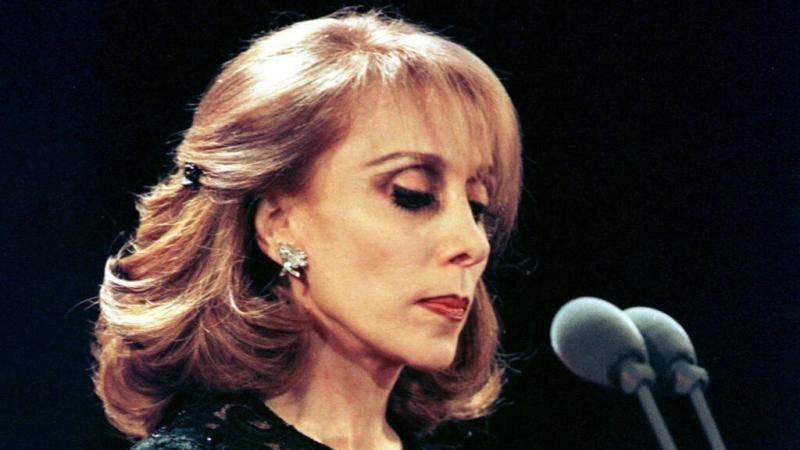
Classic Lebanese songs form an integral part of the history of Arabic music. Lebanese art has produced enduring works that beautifully blend sophisticated lyrics with distinctive melodies and performances that have stayed in listeners' memories for decades.
These songs continue to hold a special place among Arab audiences, frequently rebroadcasted and achieving millions of streams on music platforms.
Why Do Classic Lebanese Songs Remain Popular?
The classic Lebanese songs are renowned for their high-quality lyrics and melodies, relying on Eastern music infused with local rhythms. The voices of legendary artists further cemented these works, making them a crucial reference in the history of Arabic singing.
The Most Beautiful Classic Lebanese Songs

Fairuz and the Rahbani Brothers
The works of Fairuz and the Rahbani Brothers hold a unique place in Arabic music history, associated with nostalgia, nature, and Lebanese identity.
1. Saalouni El Nas
One of Fairuz's most famous emotional songs, composed by Ziad Rahbani under poignant circumstances, becoming one of the most impactful songs for the Arab audience.
2. Habaytak Tansit El Nom
A renowned romantic song that has cemented Fairuz's place in the hearts of music lovers, remaining a popular piece to this day.
3. Akher Ayam El Saifiye
A song reflecting the beauty of Lebanese nature and autumn with a Rahbani style that combines poetry and music.
Wadih El Safi and Nasri Shamseddine
Wadih El Safi and Nasri Shamseddine are prominent pioneers of Lebanese mountain and folk songs, offering works that have become part of artistic heritage.
1. Tallo Hbabna
One of the most popular folk songs associated with welcoming loved ones and expatriates, still present in social events.
2. Ya Marek Ala Al Tawaheen
One of the prominent Lebanese dabke songs, distinguished by its lively rhythm and authentic popular performance.
3. Andak Bahriya Ya Rayyes
A song with an enthusiastic tone reflecting Wadih El Safi's powerful voice and unique singing style.
Melhem Barakat and Azar Habib
The 70s and 80s saw the emergence of unique romantic works leaving a clear imprint on Lebanese songs.
1. Habaytek W Bhebbak
Among Melhem Barakat's famous songs, it stands as an example of the classic Lebanese song combining emotional melody with strong performance.
2. Kaboush Al Tooti
An upbeat song that achieved widespread popularity, reflecting Melhem Barakat's distinctive artistic personality.
3. A Jabin El Leil
One of Azar Habib’s most famous romantic songs, still admired by Lebanese music fans.
Sabah, Majida El Roumi, and Salwa Al Katrib

1. Saat Saat
One of the most famous songs by Sabah, known for its light rhythm and optimistic message, making it timeless.
2. Matrak Qelbi
A significant romantic piece that contributed to Majida El Roumi's rise, remaining a beloved song among audiences.
3. Khoudni Maak
A song associated with Salwa Al Katrib's name, reimagined in various musical arrangements, reflecting its enduring popularity.
Hits of the 80s and 90s
This period witnessed a development in Lebanese songs while preserving the musical identity that distinguished Lebanese artists.
1. Habibi Ya Ayni – Maya Yazbek
An upbeat song widely played at parties and events, maintaining a broad presence even today.
2. Qomi Tanraqos – Sami Clark
A song full of vitality and energy, considered one of the most famous Lebanese pop works of the 80s.
3. Bokra Byabrom Dolabak – Ragheb Alama
A song that helped launch Ragheb Alama’s musical journey, marking the start of his strong presence on the Arab scene.
What Distinguishes Classic Lebanese Songs?
These songs stand out for their vast variety between classical, folk, and romantic styles, based on refined poetry and meticulous musical arrangements. Moreover, Lebanon's rich natural and cultural environment inspired many songs that became part of the Arab artistic memory.
In contrast, these works have retained their value despite changing musical tastes, relying on artistic quality rather than prevailing musical trends.
In conclusion, classic Lebanese songs remain a testament to the golden era of Lebanese art, where prominent composers, poets, and singers collaborated to present timeless works that are still heard and sung today.
Despite the evolution of the music industry, these masterpieces maintain their status due to their authenticity and the exquisite quality of melodies and lyrics, remaining an integral part of the Arab musical heritage that continues to shine through the ages.
See Also:
Who is the Most Famous Lebanese Singer in the World?