


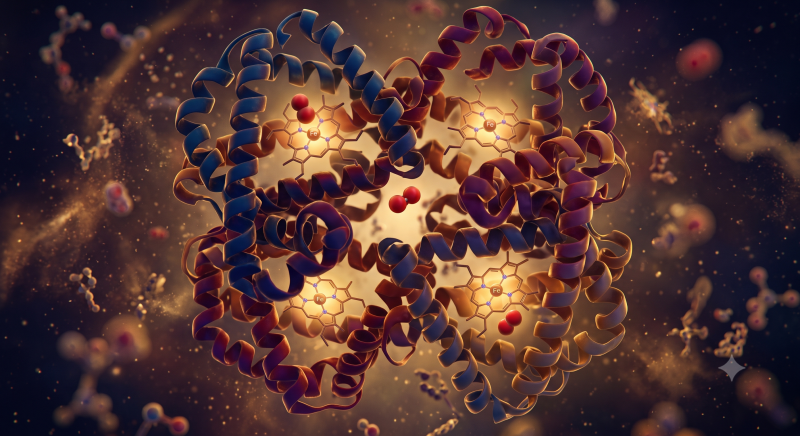
Hemoglobin is an iron-rich protein found in red blood cells, primarily responsible for transporting oxygen from the lungs to body tissues and carrying carbon dioxide back to the lungs for exhalation. A decrease in hemoglobin levels can affect the body's ability to adequately receive oxygen.
Low hemoglobin is not a disease itself but often indicates an underlying health issue needing diagnosis, such as iron deficiency, vitamin deficiency, chronic diseases, or blood loss.
What Causes Low Hemoglobin?
There are various reasons for low hemoglobin levels, which a doctor can determine after evaluating symptoms and conducting necessary tests.
Iron Deficiency
The most common cause of low hemoglobin is iron deficiency, as the body requires iron to produce hemoglobin and red blood cells. This deficiency can result from poor diet, poor iron absorption, or blood loss due to heavy menstruation or gastrointestinal bleeding.
Vitamin B12 or Folic Acid Deficiency
Both vitamin B12 and folic acid are essential for producing healthy red blood cells. A deficiency in either can reduce red blood cell production or impair their function, leading to lower hemoglobin levels.
Blood Loss
Acute or chronic blood loss can dramatically lower hemoglobin levels, with examples including:
- Bleeding from accidents or surgeries.
- Stomach or intestinal bleeding.
- Stomach ulcers.
- Bleeding hemorrhoids.
- Heavy menstrual cycles in some women.
Chronic Diseases
Certain chronic diseases can affect red blood cell production, such as:
- Chronic kidney diseases.
- Inflammatory diseases.
- Certain cancers.
- Chronic liver diseases.
In such cases, low hemoglobin is a part of the underlying disease's impact.
Bone Marrow Disorders
Bone marrow produces red blood cells, so diseases affecting it can reduce production. Conditions include aplastic anemia, bone marrow disorders, and blood cancers.
Red Blood Cell Destruction
Certain diseases can cause rapid red blood cell destruction faster than the body can replace them, known as hemolytic anemia. This can result from genetic or immune disorders, certain medications, or infections.
Pregnancy
During pregnancy, hemoglobin levels may drop due to an increased plasma volume relative to red blood cell count, alongside increased iron and folic acid needs. Hemoglobin levels are monitored regularly during pregnancy for this reason.
Symptoms of Low Hemoglobin
Symptoms depend on the severity and speed of the decrease, including:
Fatigue and Exhaustion
Constant tiredness is a common symptom due to reduced oxygen reaching body tissues.
Pale Skin
The skin, lips, or inside of the eyelids may appear paler due to fewer red blood cells.
Shortness of Breath
Affected individuals may experience breathlessness, especially during physical exertion, as the body tries to compensate for oxygen deficiency.
Dizziness and Headache
Insufficient oxygen supply to the brain may cause dizziness or headaches in some people.
Heart Palpitations
The heart may beat faster to compensate for low oxygen, causing palpitations or rapid heartbeat.
Also see: