


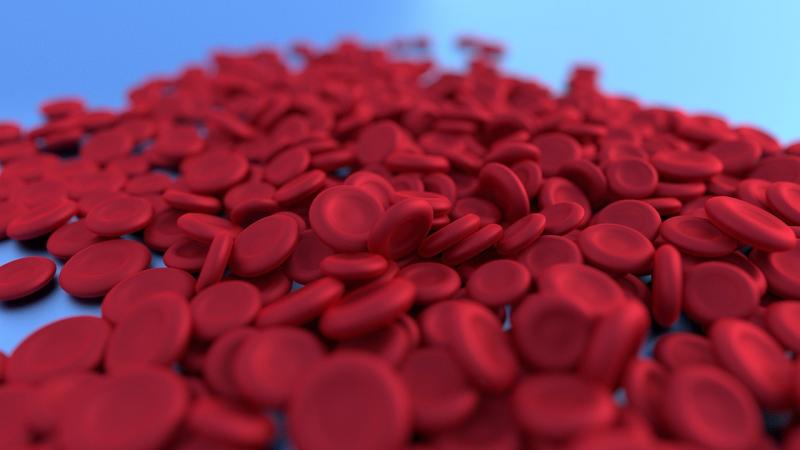
Anemia occurs when the body lacks enough healthy red blood cells or when hemoglobin levels drop. Hemoglobin is the protein responsible for transporting oxygen from the lungs to all parts of the body.
Consequently, this reduces the amount of oxygen reaching the tissues, leaving the affected person feeling fatigued, weak, and dizzy, among other symptoms.
The causes of anemia vary depending on health condition, age, and lifestyle. Hence, not all cases can be treated the same way, as treatment depends on identifying the underlying cause of low hemoglobin or red blood cell count.
What Causes Anemia?
1. Iron Deficiency
Iron deficiency is the most common cause of anemia globally, as iron is a crucial component in the production of hemoglobin within red blood cells.
Iron deficiency may occur due to inadequate dietary intake of iron-rich foods, poor absorption in the intestines, or continuous blood loss, such as heavy menstrual periods or chronic gastrointestinal bleeding.
2. Vitamin B12 Deficiency
The body requires vitamin B12 to produce healthy, mature red blood cells.
When vitamin B12 levels drop, the production of red blood cells becomes abnormal, leading to anemia. Prolonged deficiency can also cause neurological symptoms such as numbness and poor concentration.
3. Folate Deficiency
Folate plays a vital role in forming red blood cells, so its deficiency can lead to anemia, especially in pregnant women or individuals with poor nutrition or gastrointestinal diseases.
4. Blood Loss
The body can lose blood suddenly or gradually, leading to decreased red blood cells and hemoglobin levels.
Main causes of blood loss include:
- Heavy menstrual periods.
- Stomach or intestinal bleeding.
- Stomach ulcers.
- Bleeding hemorrhoids.
- Accidents and injuries.
- Surgical procedures.
5. Chronic Diseases
Certain chronic diseases can affect the body's ability to produce red blood cells or efficiently use iron.
Common chronic diseases include:
- Chronic kidney disease.
- Chronic inflammatory diseases.
- Rheumatoid arthritis.
- Some liver diseases.
- Some cancers.
6. Bone Marrow Disorders
Bone marrow is essential for blood cell production. Diseases affecting it can reduce red blood cell production, such as aplastic anemia, some blood cancers, or other bone marrow disorders.
7. Red Blood Cell Breakdown
In some cases, red blood cells break down faster than the body can replace them, a condition known as hemolytic anemia.
Causes can be genetic, immune-related, due to infection, or from certain medications.
8. Genetic Disorders
Some individuals are born with genetic disorders affecting red blood cell production or shape, such as:
- Thalassemia.
- Sickle cell anemia.
These conditions require ongoing medical supervision, with treatment varying based on disease type and severity.
9. Pregnancy
Pregnant women need more iron and folate to produce additional blood and support fetal growth.
Without proper dietary intake or prescribed supplements, anemia may develop during pregnancy.
10. Malnutrition or Absorption Disorders
The body may not receive enough nutrients for red blood cell formation due to poor nutrition or diseases affecting nutrient absorption, such as celiac disease or some inflammatory bowel diseases.
See Also: