



Vitamins are among the most commonly used treatments worldwide, especially since anemia affects millions of people, directly impacting energy levels, concentration, and quality of life. Anemia occurs when the number of red blood cells or hemoglobin levels decrease, reducing the body's ability to transport oxygen to various tissues.
While iron deficiency is the most common cause of anemia, other reasons include vitamin B12 and folic acid deficiencies and certain chronic diseases. Therefore, effective treatment relies on identifying the underlying cause first and then choosing appropriate supplements under medical supervision to achieve the best results and avoid potential complications.
What is Anemia and What Are Its Main Symptoms?
Anemia is not a disease per se but a health condition resulting from an imbalance in the production, loss, or destruction of red blood cells faster than the body's ability to replenish them.
Common symptoms of anemia include constant fatigue, shortness of breath, pale skin, rapid heartbeat, headaches, dizziness, and poor concentration. Additionally, some may experience cold extremities, hair loss, or brittle nails, particularly with chronic iron deficiency.
Why Do Anemia Supplements Vary from Person to Person?
The choice of supplement depends on the type of anemia and laboratory test results. For instance, taking iron is not beneficial if the primary cause is a vitamin B12 or folic acid deficiency.
Moreover, people's ability to tolerate certain types of iron varies, as some formulations can cause digestive issues like constipation or nausea. For this reason, a comprehensive analysis, including hemoglobin, ferritin, vitamin B12, and folic acid levels, is recommended before starting treatment.
Best Vitamins and Supplements for Anemia

1. Ferrous Sulfate
Ferrous sulfate is the most common medical choice for treating iron-deficiency anemia due to its high effectiveness and cost-efficiency, making it the first line in many medical guidelines.
However, it may cause side effects like nausea, stomach pain, and constipation, so it should be taken as per the doctor's instructions while monitoring the body's response.
2. Ferrous Gluconate
Ferrous gluconate is a suitable alternative for individuals with gastrointestinal sensitivities. It causes fewer stomach disturbances compared to other iron types, and it’s recommended in some cases that require long-term treatment due to its general tolerance.
3. Iron Bisglycinate
Iron bisglycinate has gained popularity in recent years due to its high absorption rate and gentle effect on the digestive system. Studies indicate it causes less constipation and bloating, making it a good option for those who cannot tolerate traditional iron types.
4. Vitamin B12
Vitamin B12 is crucial for red blood cell production and maintaining nervous system health. Its deficiency is more prominent among vegetarians, the elderly, and individuals with nutrient absorption issues.
In certain cases, patients may need vitamin B12 injections instead of oral tablets, especially in cases of pernicious anemia.
5. Folic Acid (Vitamin B9)
Folic acid is essential for DNA synthesis and new blood cell production. Its deficiency can lead to megaloblastic anemia, which is associated with impaired blood cell production.
This vitamin is particularly important for pregnant women as it helps prevent certain fetal birth defects and supports red blood cell production.
6. Vitamin C
Although vitamin C does not directly treat anemia, it significantly aids iron absorption in the intestines. Therefore, many doctors recommend taking iron supplements with a vitamin C-rich source, like orange juice, kiwi, or strawberries, to enhance absorption.
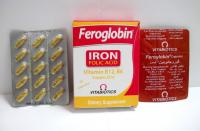
7. Compound Supplements for Anemia
Pharmacies offer a range of supplements that combine iron with helpful vitamins and minerals. Some popular options include:
-Feroglobin: Contains iron, zinc, copper, folic acid, and vitamin B12.
-Ferrotron: Includes amino acid-bound iron with a range of vitamins and elements that support blood formation.
These products simplify treatment plans, especially for those with multiple nutritional deficiencies.
Important Tips for Enhancing Iron Absorption
To achieve the best results from treatment, follow these guidelines:
- Avoid drinking tea or coffee at least an hour before or after taking iron supplements.
- Separate iron supplements from calcium or antacids by at least two hours.
- Take iron with vitamin C to enhance absorption.
- Adhere to the dosage prescribed by your doctor and do not double it without consultation.
- Continue the treatment for at least three months after hemoglobin levels return to normal to rebuild iron stores.
Interestingly, some recent recommendations suggest that taking iron every other day may be more effective for some patients by improving absorption and reducing side effects.
When to Consult a Doctor?
Consult a doctor if anemia symptoms persist despite supplement use, or if the anemia is severe or accompanied by unexplained weight loss or frequent bleeding.
Importantly, do not take iron supplements without a confirmed diagnosis, as excess iron in the body may cause health complications for some individuals, especially those with liver diseases or iron storage disorders.
In conclusion, vitamins and supplements for anemia are an effective tool in restoring hemoglobin levels and enhancing general health when used correctly. However, precise diagnosis and identifying the root cause of anemia is the most crucial step before any treatment.
See also
Tips for Preventing Anemia