


A joint Gulf-European statement firmly rejected any nation's claims of sovereignty over the Strait of Hormuz as illegitimate. It opposed the imposition of any transit fees, passage permits, or service charges on international maritime traffic, and called on Iran to immediately cease all attacks.
The statement, issued on Saturday evening, emphasized that no bilateral arrangements, understandings, or memoranda can unlawfully regulate or restrict the right of passage through an international strait. This right is protected under international law and should not be subject to any nation's control or permission.
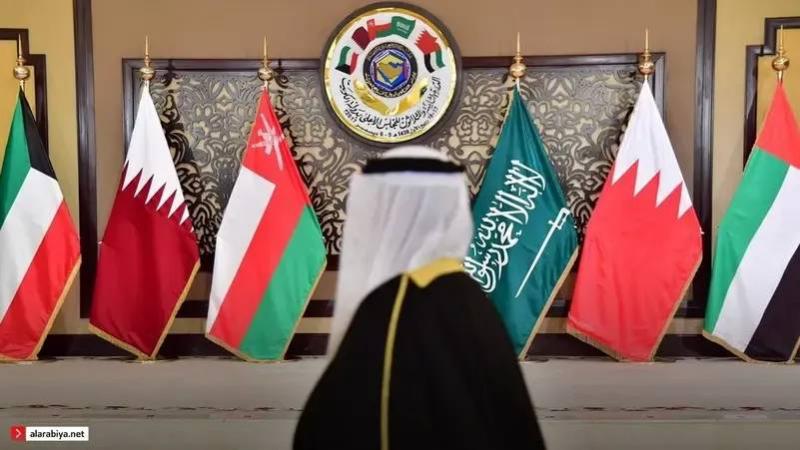
This stance was presented during the High-Level Forum on Regional Security and Cooperation, convened in Brussels on July 13, 2026, co-chaired by Kaja Kallas, the EU's High Representative, on behalf of the European Union, and Dr. Abdullatif Al Zayani, Bahrain's Foreign Minister, representing the Gulf Cooperation Council's Ministerial Council.
The European Union and the Gulf Cooperation Council reiterated that freedom of navigation, including the right of passage through the Strait of Hormuz as an international navigation strait, is guaranteed by international law, as reflected in the United Nations Convention on the Law of the Sea. The ships of all these nations possess these rights, which cannot be suspended, obstructed, or subjected to any conditions by any country.
The Gulf and European states also called upon Iran to immediately and unconditionally halt all attacks and any interventions in maritime navigation; and to maintain the Strait of Hormuz open sustainably, without any conditions, transit fees, or service charges.
The Gulf-European statement also called on Iran to fully comply with international law and United Nations Security Council Resolution 2817, rejecting any unilateral or illegitimate arrangements that could affect the safe passage through the strait. It emphasized the necessity for countries to work within international and regional institutions specialized in maritime navigation governance, supporting entities like the International Maritime Organization.
Concurrently, the statement condemned Iran's attacks on commercial vessels transiting the Strait of Hormuz and the sovereign territories of countries in the region, including Bahrain, Kuwait, the United Arab Emirates, Qatar, Oman, and Jordan. These actions endangered the lives of civilians and sailors, violated international law, and breached UN Security Council Resolution 2817, with no justification under any circumstances.
The Gulf-European statement reaffirmed the commitment to tight coordination to safeguard freedom of navigation, support the protection of international shipping and sailors, and promote a fair and lasting peace and security in the region, in line with international law and the United Nations Charter.
The joint statement stressed the continuous call for restraint, reaffirming the steadfast commitment to dialogue and diplomacy as peaceful means to resolve the crisis and ensure freedom of navigation in the Strait of Hormuz.