


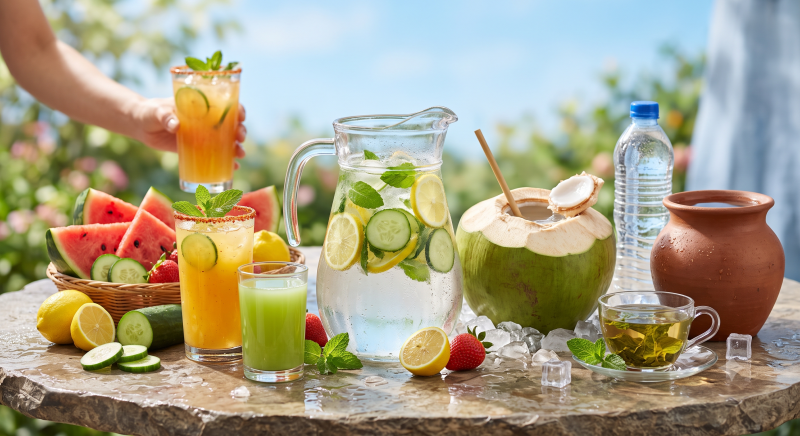
Water makes up approximately 60% of the human body and is involved in many vital processes, such as regulating body temperature, transporting nutrients, and supporting the functions of various organs.
The need for fluids increases with higher temperatures, physical activity, or certain health conditions.
While water remains the primary choice for hydration, some natural drinks also help maintain fluid balance and supply essential nutrients when consumed in moderation.
Best Drinks to Keep Your Body Hydrated:
Water
Water remains the best drink for hydration as it replenishes lost fluids without adding calories or sugars. It's recommended to drink water regularly throughout the day, without waiting to feel thirsty, especially in hot weather.
Coconut Water
Coconut water contains natural electrolytes like potassium and magnesium, making it a suitable option for replenishing fluids after sweating or moderate physical activity.
Milk
Milk has a high water content, along with proteins, calcium, and some minerals, contributing to hydration and providing nutritional value.
Fresh Natural Juices
Juices made from fresh fruits, such as oranges and watermelon, increase fluid intake and provide beneficial vitamins and minerals. It's best consumed without added sugar to maximize nutritional value.
Watermelon Juice
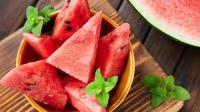
Watermelon, rich in water, makes its juice an excellent choice for helping with hydration, especially during summer, while offering vitamins and antioxidants.
Herbal Drinks
Herbal drinks like chamomile or mint can increase daily fluid intake, provided they are consumed without large amounts of sugar.
Fruit Smoothies
Fruit smoothies made with fresh fruits and milk or yogurt are rich in fluids and nutrients, making them an excellent post-exercise drink.
Drinks to Limit for Hydration
Some beverages are not ideal for hydration despite being liquids:
-Sugary soft drinks.
-Energy drinks.
-Juices with high sugar content.
-Alcoholic beverages.
Beverages containing caffeine, like coffee and tea, can count towards daily fluid intake when consumed in moderation, but they should not be the primary source of hydration.
Signs Your Body Needs Hydration
Some signs may indicate the need for increased fluid intake, such as:
-Feeling thirsty.
-Dry mouth.
-Dark urine.
-Headaches.
-Fatigue or reduced activity levels.
-Dizziness in some cases.
Also see: