



Controlling your appetite is crucial for the success of any dietary regime. Persistent hunger can make it challenging to stick to a diet, especially when reducing caloric intake or altering eating habits.
However, following a diet does not mean constant deprivation. By choosing foods that promote longer satiety and scheduling meals to minimize hunger pangs, one can effectively manage appetite. Additionally, getting enough sleep, staying active, and maintaining a positive mental state play pivotal roles in appetite control.
How to Beat Hunger on a Diet?

Consume Enough Protein
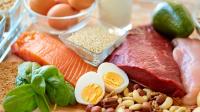
Protein is fundamental for increasing feelings of fullness as it takes longer to digest compared to other foods. Sources like eggs, chicken, fish, Greek yogurt, and legumes help reduce food cravings between meals.
Increase Fiber Intake
High-fiber foods help fill the stomach and prolong satiety while supporting digestive health. Vegetables, fruits, oatmeal, legumes, and whole grains are excellent choices during a diet.
Stay Hydrated
Some individuals confuse thirst with hunger. Ensuring adequate water intake helps in better appetite control. Drinking water before meals can also reduce food consumption for some people.
Have Regular Meals
Regular meal timing prevents excessive hunger that could lead to overeating. It's best to avoid long intervals between meals and choose balanced meals containing protein and fiber.
Opt for Low-Calorie, High-Volume Foods
Foods with high water and fiber content can provide fullness with fewer calories. Examples include vegetables like cucumber, lettuce, zucchini, and healthy soups.
Snack Smartly
Dieting doesn’t mean skipping snacks. Choosing healthy snacks can help control hunger between meals. Suitable options include a small handful of nuts, fruits, low-fat yogurt, or fresh vegetables.
Eat Slowly
The brain takes time to receive fullness signals from the stomach, so eating slowly and chewing well can reduce food intake. Focusing during meals also helps avoid mindless eating.
Get Adequate Sleep
Sleep deprivation can affect hormones that regulate appetite, increasing cravings for sugary and fatty foods. Regular sleep is essential for diet success and maintaining a healthy weight.
Avoid Foods that Trigger Overeating
Certain foods, especially those high in added sugars and refined carbohydrates, cause rapid blood sugar surges followed by crashes, increasing hunger. It's best to reduce sweets, sugary drinks, and processed foods.
Address Emotional Eating
Hunger isn't always due to a need for food; it might be linked to stress, boredom, or daily habits. Overcome this by engaging in activities like walking, drinking a healthy beverage, or pursuing a hobby.
Foods That Keep You Full During a Diet

Eggs
Eggs are packed with protein, promoting fullness and helping maintain muscle mass during weight loss.
Oats
Oats contain soluble fibers that slow digestion and enhance satiety.
Vegetables
Low-calorie yet high in fiber and water, vegetables are excellent diet choices.
Nuts
Nuts offer healthy fats and protein, reducing hunger when consumed in moderation.
Yogurt
Yogurt provides protein and calcium, making it a good option for a filling snack.
Common Mistakes That Increase Hunger on a Diet
Overly Restricting Calories
Severe deprivation can intensify hunger and make adhering to a diet difficult.
Skipping Breakfast
This approach doesn’t suit everyone and may increase hunger throughout the day for some.
Relying on Low-Nutrient Foods
Some low-calorie foods fail to provide sufficient satiety if they’re low in protein and fiber.
Also See: