


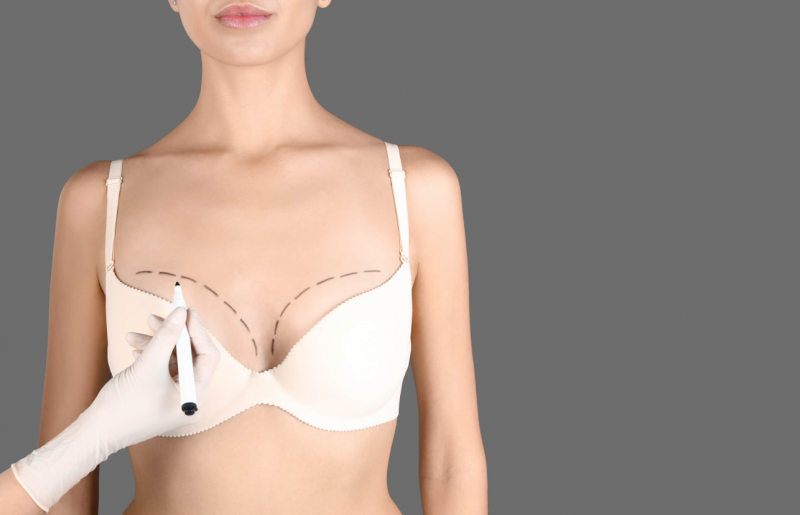
Breast augmentation is one of the most common cosmetic surgeries aimed at increasing breast size or improving its shape through the use of silicone or saline implants.
While many women are satisfied with the aesthetic results, some express concerns about how it might affect future pregnancies and breastfeeding.
In most cases, women who have undergone breast augmentation can breastfeed their children successfully. However, the success may vary and depends on the surgical technique used, incision location, and whether nerves or milk ducts were affected during the procedure.
Does Breast Augmentation Affect Breastfeeding?
In many cases, breast augmentation does not prevent breastfeeding, especially if the surgery was performed in a way that preserves milk ducts and nerves associated with the nipple.
However, some women may experience reduced milk production or difficulties breastfeeding, particularly if the surgery affected the tissue involved in milk production or nerve signals necessary for milk release.
What Factors Determine the Procedure's Impact on Breastfeeding?

Location of the Incision
The location of the incision is a crucial factor that might affect breastfeeding.
If the incision is made beneath the breast or in the armpit area, the likelihood of affecting milk ducts or nerves is reduced compared to an incision around the areola, which might increase the chances of impact in certain cases.
Position of the Implant
Breast implants can be placed above or below the pectoral muscle.
In many cases, placing the implant under the muscle may have less impact on breast tissue and milk ducts, but the decision depends on the surgeon's evaluation and the individual case.
Nerve Integrity
Nerves around the nipple play an important role in stimulating lactation hormones.
If these nerves are damaged during surgery, it may affect milk production or the body's response to breastfeeding.
Amount of Breast Tissue
The ability to produce milk also depends on the amount of existing glandular tissue, not just the presence of implants.
Are Silicone Implants Safe During Breastfeeding?
Current scientific evidence suggests there is no strong evidence that intact silicone implants pose a risk to the infant during breastfeeding.
However, any issues related to the implants should be monitored with a healthcare provider, especially if there are signs of rupture, leakage, or changes in breast shape.
How Do You Know If Your Baby Is Getting Enough Milk?

Even with breast implants, successful breastfeeding can be monitored by:
- Normal weight gain for the baby.
- A sufficient number of wet diapers daily.
- The baby feeling full after feeding.
- Tracking the baby's growth with a pediatrician.
If there are concerns about milk quantity, consulting a lactation specialist is recommended for assessment and support.
Tips for Breastfeeding After Breast Augmentation
Inform the Doctor About Surgery History
It is important to inform the obstetrician or pediatrician that you previously underwent breast augmentation for proper monitoring of breastfeeding.
Start Breastfeeding Early
Placing the baby on the breast immediately after birth, whenever possible, helps stimulate milk production.
Increase Frequency of Breastfeeding
The more the breast is stimulated by breastfeeding or using a pump when necessary, the more it supports milk production.
Monitor Milk Production
If there are signs of reduced milk production, the doctor or lactation specialist may advise a suitable plan to support breastfeeding.
See Also:
Best Skincare Centers in Beirut
Best Exfoliating Cream for Sensitive Areas