


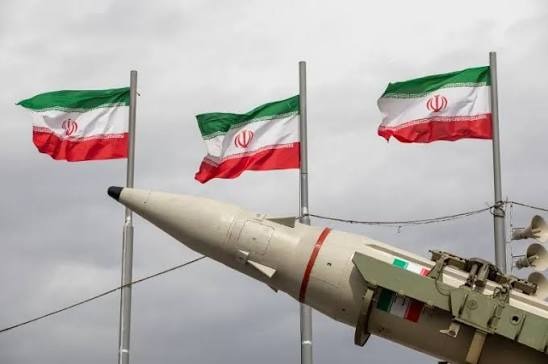
The launch of Iranian missiles towards Jordan, particularly aimed at the city of Aqaba, has stirred anxiety and frustration among residents of the Israeli city of Eilat. Criticism is mounting against the government and military for failing to issue advance warnings despite the attack's proximity to the Israeli border.
The Jordanian military reported detecting six missiles fired from Iran towards the kingdom, indicating that four were intercepted, while two landed in open areas without causing injuries or material damage.
According to the Hebrew newspaper "Maariv," Eilat residents expressed their anger over not receiving alerts, noting that missile fragments or interception operations might affect Israeli territory, similar to past incidents.
Social media platforms and community groups in the city were filled with questions about the explosions heard, with some residents calling for alerts even when missiles are directed towards Jordanian lands due to the potential for their effects to extend to border-adjacent areas.
Israeli reports suggested that fragments resulting from the interception of Iranian missiles in recent days had fallen around Eilat, heightening residents' concerns for their safety if the escalation persists.
The controversy in Israel is not limited to the recent missile incident but extends to the handling of the conflict with Iran and the possibilities of its escalation, amid growing calls to improve warning mechanisms and increase transparency with the populace.
In this context, Danny Citrinowicz, the former head of the Iran Division in the Israeli Military Intelligence Directorate "Aman," stated that the confrontation remains within the current rules of engagement, focusing strikes on military targets. However, he warned that any new escalation might open the door to attacks from other parties, such as Hezbollah and the Houthis, stressing that decisions to resume combat should be based on clear strategic objectives due to the potential cost of such escalation.