


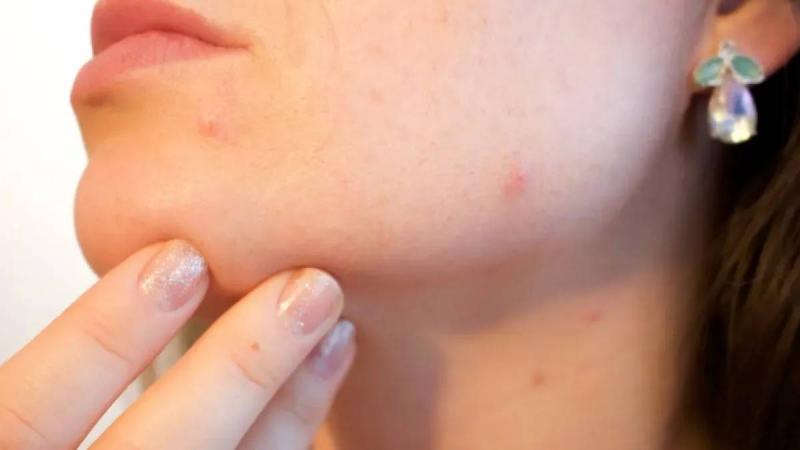
Acne remains a pervasive concern among women of all ages, particularly when pimples appear suddenly or recur frequently despite a consistent skincare regimen. Acne results from clogged pores filled with oils and dead skin cells, which can then lead to bacterial growth and inflammation.
Contrary to popular belief, acne is not always linked to skin cleanliness. Instead, it may reflect hormonal changes, health disorders, or even psychological and lifestyle factors. Understanding the underlying cause is crucial for selecting the appropriate treatment and reducing recurrence.
How Does Acne Develop?
The skin's sebaceous glands produce sebum, which keeps the skin hydrated. An increase in sebum production or blocked pores due to dead skin cells can lead to the formation of blackheads and whiteheads.
Moreover, bacterial growth in the blocked pores can cause inflammation and result in painful red bumps or eruptions under the skin.
Natural Hormonal Fluctuations
Menstrual Cycle
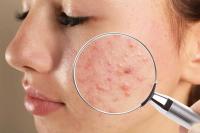
Many women notice an increase in breakouts a few days before their menstrual period, particularly around the chin and jawline. This is due to hormonal changes, specifically increased progesterone levels and decreased levels of other hormones, leading to elevated oil production and clogged pores.
Pregnancy
During the first months of pregnancy, significant hormonal changes can cause or exacerbate acne in some women, while others may see an improvement in skin condition due to different bodily responses to hormonal shifts during pregnancy.
Menopause
As women age and estrogen levels drop during menopause, some might experience acne again after years of clear skin. This results from an imbalance between female and male hormones present in small amounts in women.
Polycystic Ovary Syndrome (PCOS)
PCOS is a common medical cause of chronic acne in women, leading to increased androgen levels which stimulate the sebaceous glands, increasing oil production and acne occurrence.
Symptoms of PCOS
- Irregular menstrual cycles.
- Increased facial and body hair growth.
- Hair loss from the scalp.
- Weight gain or difficulties losing weight.
- Persistent acne.
Consulting a doctor is advisable when these symptoms coincide with frequent acne.
Psychological Stress and Pressure
Psychological stress significantly impacts skin health, raising cortisol levels which stimulate oil production, increasing the likelihood of pore blockages and acne.
Lack of sleep and constant exhaustion can impair the skin’s ability to regenerate and heal from inflammations, making acne more pronounced and persistent.
Dietary Effects on Skin
Although diet isn't the sole cause of acne, research indicates a link between certain foods and acne exacerbation in some individuals.
Foods That May Worsen Acne
Sugars and Refined Carbohydrates
Including sweets, sugary drinks, white bread, and processed pastries, these raise blood sugar and insulin levels quickly, potentially leading to increased inflammation and sebaceous activity.
Fast Foods and Processed Foods
Often high in unhealthy fats, sugars, and additives, these can negatively affect skin health.
Some Dairy Products
Some studies suggest a link between dairy products and acne in certain individuals, though the effect varies from person to person.
Inappropriate Cosmetic Products
Improperly selected skin care or makeup products can directly cause acne.
Using Heavy Makeup
Oily cosmetics or products that clog pores can lead to the accumulation of oils and impurities. It is recommended to choose products labeled Non-Comedogenic.
Not Removing Makeup Before Bed
One of the most common mistakes that leads to blocked pores and breakouts, especially leaving makeup on for long hours without proper skin cleansing.
Neglecting Makeup Tool Hygiene
Bacteria, skin cells, and oils accumulate on brushes and other makeup tools over time, transferring germs to the skin and increasing inflammation risks.
Medications That May Cause Acne

Birth Control Pills
Starting or abruptly stopping certain birth control pills can trigger temporary hormonal changes that lead to acne. Conversely, some types of birth control can improve skin and reduce acne.
Corticosteroids
Long-term or high-dose use of corticosteroid-containing drugs can increase the likelihood of acne.
Lithium and Certain Vitamins
Lithium used in some mental health conditions, along with high doses of certain B vitamins, may be linked to acne in some people.
Daily Habits That May Aggravate Acne
Various daily behaviors might unknowingly exacerbate acne issues.
Constantly Touching the Face
Transfers oils and bacteria from hands to the face, increasing infection risks.
Not Changing Pillowcases Regularly
Oil and bacteria accumulate on pillowcases and can transfer to the face during sleep.
Excessive Face Washing
Contrary to belief, overly washing can irritate the skin and stimulate more oil production.
When to Consult a Doctor?
Consultation with a dermatologist is advised if acne is severe or leaves permanent scars, or if it does not respond to home treatments. It’s also recommended to seek medical advice if there are accompanying hormonal symptoms such as menstrual irregularities, excessive hair growth, or noticeable hair loss.
In conclusion, the causes of acne in women range from natural hormonal changes and medical conditions like PCOS to psychological factors, diet, cosmetic products, and medications.
Identifying the root cause is the most crucial step towards effective and sustainable treatment. By maintaining a healthy lifestyle, proper skincare, and consulting a doctor when necessary, acne can be managed and skin health significantly improved.
See Also
Persistent Headache with High Blood Pressure