


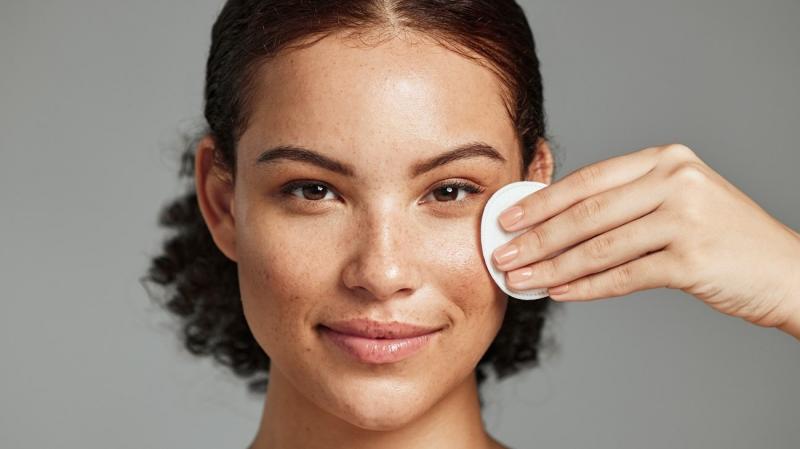
Many women seek ways to cleanse their skin at home to maintain its clarity and remove impurities accumulated daily due to exposure to dust, pollution, and cosmetics. Deep cleansing is crucial in skincare as it prevents clogged pores, reduces blackheads and breakouts.
Moreover, home skin cleansing doesn't require complex devices or expensive products. Effective results can be achieved through a balanced routine focusing on cleansing, exfoliating, and moisturizing, emphasizing using the right products for your skin type and avoiding practices that may cause irritation or dryness.
Why Does Skin Need Deep Cleansing?
Daily, skin is exposed to factors that cause impurities to accumulate on its surface, such as:
-Dust and pollution.
-Excess oils.
-Makeup residues.
-Sunscreen.
-Dead skin cells.
-Environmental toxins.
Neglecting regular cleansing can lead to clogged pores, blackheads, breakouts, and a dull complexion.
Step-by-Step Guide to Cleansing Your Skin at Home
Step 1: Double Cleansing
Double cleansing is a popular method used globally for deep skin cleansing.
Oil Cleanser
Start by applying a cleansing oil or balm on dry skin. Gently massage for about a minute, focusing on areas with makeup or sunscreen.
Benefits of Oil Cleansing
-Dissolves makeup.
-Removes waterproof sunscreen.
-Eliminates excess oils.
-Cleanses surface pores.
-Use a water-based cleanser
After rinsing the oil cleanser, use a suitable face wash to remove any residual impurities, giving the skin a refreshed feel without leaving a greasy layer.
Step 2: Gentle Steaming
Warm steam softens the skin for deep cleansing.
How to Steam Your Skin
-Fill a bowl with warm water.
-Expose your face to steam for 3-5 minutes.
-Keep a safe distance from the water.
-Benefits of Steaming
-Softens skin's surface.
-Hydrates the outer layer.
-Aids in removing impurities.
-Improves absorption of subsequent care products.
Avoid very hot water as it can cause redness or irritation, especially on sensitive skin.
Step 3: Gentle Exfoliation
Exfoliating helps remove accumulated dead cells, improving skin texture.
For Oily and Combination Skin
Choose products with salicylic acid (BHA) for penetrating and clearing pores from within.
For Dry and Normal Skin
Use exfoliants with glycolic acid or alpha-hydroxy acids (AHA) for gentle surface renewal.
Avoid These Mistakes
-Coarse exfoliants.
-Harsh scrubbing.
-Aggressive use of salt or sugar.
-Excessive exfoliation.
Over-exfoliating may weaken the skin's natural barrier and increase sensitivity.
Step 4: Clay Mask
Clay masks are excellent for cleansing pores and reducing excess oils.
Best Clay Types
-Kaolin.
-Bentonite.
How to Use
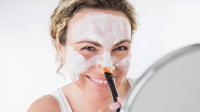
Apply the mask to areas like the nose, chin, and forehead or the entire face as needed. Leave it on for 5-10 minutes and rinse with lukewarm water.
Benefits of Clay Masks
-Absorbs excess oils.
-Purifies pores.
-Enhances skin appearance.
-Reduces shine.
Managing Blackheads
Post-clay mask, some blackheads may become more visible. If prominent, gently press them using a clean cotton swab.
Avoid:
-Using fingernails.
-Forceful pressure.
-Picking blemishes.
This could lead to infections or permanent scarring.
Step 5: Hydrating and Soothing Mask
After deep cleaning, the skin needs to restore its natural balance.
Top Hydrating Ingredients
-Hyaluronic acid.
-Aloe vera.
-Ceramides.
-Panthenol.
Benefits of a Hydration Mask
-Soothes skin.
-Reduces redness.
-Restores moisture.
-Enhances radiance.
Use a sheet mask or rich moisturizing cream for about 15 minutes.
Step 6: Moisturizing and Protecting the Skin Barrier
This phase is vital for post-cleansing care.
Choosing the Right Moisturizer
For Oily Skin
Consider:
-Moisturizing gel.
-Lightweight formulations.
-Non-comedogenic products.
For Dry Skin
Choose:
-Rich creams.
-Ceramide-rich moisturizers.
-Barrier-supportive products.
Moisturizing helps lock water in the skin, maintaining smoothness for longer periods.
How Often Should You Deep Cleanse Your Skin?
It depends on your skin type:
Oily Skin
Once to twice weekly.
Combination Skin
Usually once a week.
Dry or Sensitive Skin
Every two weeks or as needed.
Excessive deep cleansing can irritate the skin and strip its protective oils.
Common Mistakes During Home Skin Cleansing
Using Very Hot Water
Can cause dryness and redness.
Pressing Pimples
Increases inflammation risks and scarring.
Ignoring Moisturization
Even oily skin needs moisture post-cleansing.
Using Too Many Products at Once
May irritate the skin and weaken its barrier.
Additional Tips for Best Results
Remove Makeup Before Bed
This habit helps prevent clogged pores, maintaining skin health.
Change Pillowcases Regularly
Helps reduce bacteria and oils accumulation.
Drink Sufficient Water
Internal hydration supports skin health and glow.
Use Sunscreen Daily
Protects against hyperpigmentation and premature aging.
In conclusion, home skin cleansing is an essential step in maintaining healthy, clear, and radiant skin. A comprehensive routine including double cleansing, moderate exfoliation, clay masks, and deep hydration can yield significant results without frequent beauty sessions.
See Also:
Cellulite Solutions